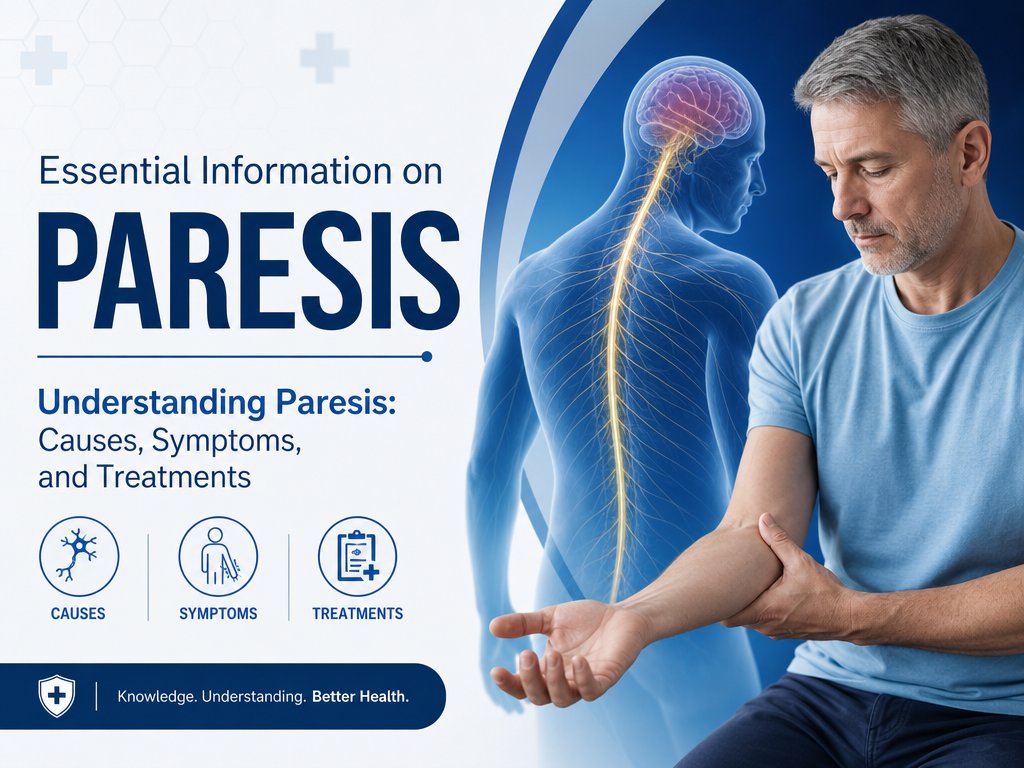
Introduction to Paresis
Paresis is a medical condition resulting in weakened muscle movement, distinct from paralysis, which represents a complete inability to move affected muscles. Individuals with paresis experience reduced muscle strength, though they still maintain some level of muscle control. This condition can significantly affect daily activities, highlighting the importance of awareness and proactive management.
Causes of Paresis
Paresis typically arises from nerve damage, which can be caused by various factors, including physical injuries, strokes, or health conditions such as multiple sclerosis (MS) and inflammation of the spinal cord. A thorough understanding of these causes is integral for implementing targeted treatment strategies that address the root of the issue effectively. Additionally, infections like Lyme disease or autoimmune disorders may also lead to nerve damage that results in paresis.
Types of Paresis
Paresis is classified based on the area of the body it affects. The different types include:
– **Facial Paresis:** This type affects the facial muscles, often leading to decreased ability to control facial expressions and possibly affecting speech and eating.
– **Spastic Paresis:** Characterized by muscle stiffness and spasms, this type can result from conditions affecting the central nervous system.
– **Todd’s Paresis:** A neurological condition that can occur after seizures, leading to temporary weakness on one side of the body.
– **Vocal Cord Paresis:** Involves partial loss of function in one or both vocal cords, affecting speech and possibly breathing, which can have an impact on communication efficiency and overall respiratory health.
Symptoms
The primary symptom of paresis is muscle weakness, with additional symptoms varying depending on the type of paresis. Symptoms may manifest suddenly, such as after a traumatic spinal injury, or may develop progressively, as in conditions like MS. Early recognition of these symptoms can be pivotal for effective management and intervention. Other symptoms may include muscle fatigue, tingling sensations, or reduced coordination, which can affect balance and limb control.
Progression and Prognosis
The symptoms of paresis can either be temporary or permanent, largely depending on the underlying cause. In progressive conditions, there is a risk of symptoms aggravating over time, potentially advancing to paralysis, as observed in degenerative diseases like amyotrophic lateral sclerosis (ALS). Understanding the nature of the specific condition aids in predicting outcomes and planning treatment approaches. Regular monitoring and assessments can help track progression and adjust treatment as necessary to maximize effectiveness.
Treatment Approaches
Treatment primarily aims to target the underlying causes of paresis, seeking to improve life quality and reduce symptoms. Potential therapies include medications like muscle relaxants or anticonvulsants, physical therapy to maintain muscle strength and functionality, and sometimes surgical interventions to relieve nerve pressure. Rehabilitation exercises tailored to individual needs can play a crucial role in maintaining mobility. Although a definitive cure may not be available for all types of paresis, these treatments can significantly aid in managing and alleviating symptoms, enhancing patients’ daily lives.
Conclusion
Paresis significantly impacts muscle strength due to nerve damage, with varying severity and treatment outcomes depending on the type and cause. Collaboration with healthcare providers to develop a personalized treatment plan is essential for enhancing mobility and overall daily functioning. Early diagnosis and intervention can profoundly affect prognosis, underscoring the necessity for awareness and understanding of this condition. Regular assessments and adjustments to treatment plans can further optimize management of this challenging condition, offering hope for improved quality of life. Ongoing support from healthcare teams, coupled with patient engagement, is vital for navigating the complexities of living with paresis.