Introduction to Chronic Hypertension
Chronic hypertension occurs when high blood pressure remains persistently elevated over an extended period, without a definitive cure. Although it is a chronic condition, effective management is possible through the use of medications and the implementation of lifestyle interventions that can significantly contribute to better health over time. This condition often requires a lifelong commitment to monitoring and managing blood pressure levels to prevent potential complications and promote a healthier life.
Understanding Blood Pressure Levels
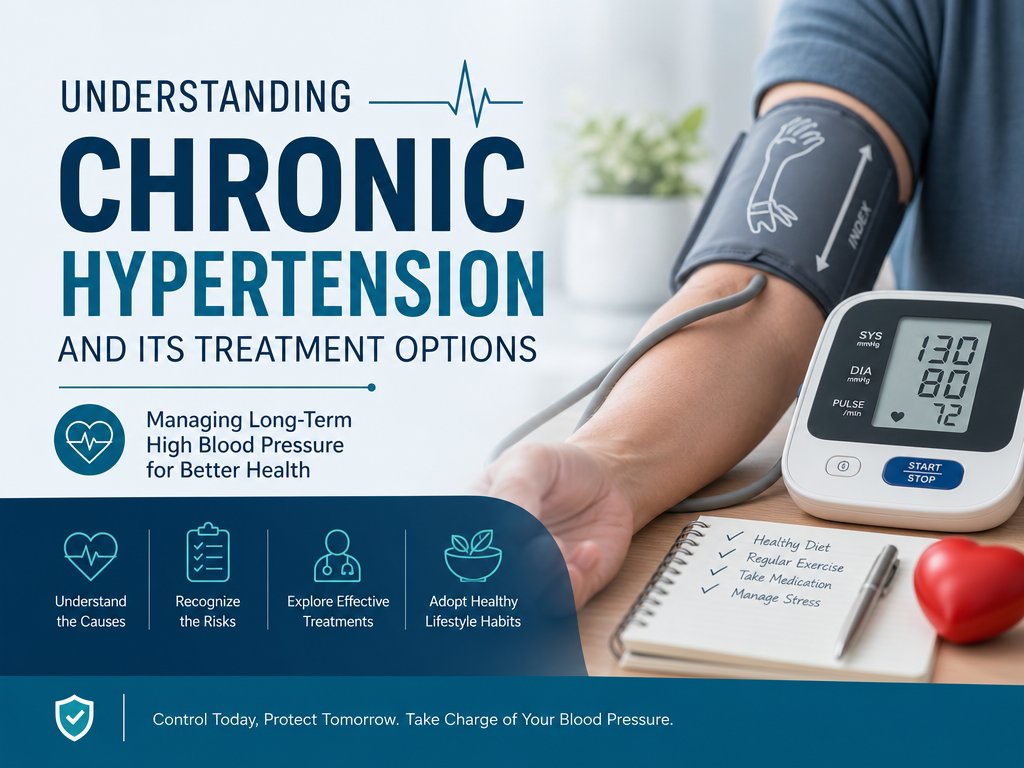
Blood pressure measures the force exerted by blood on artery walls at any given time, and it consists of two primary numbers: the systolic pressure (the higher number, representing pressure during heartbeats) and the diastolic pressure (the lower number, representing pressure between beats). High blood pressure is defined by the CDC as having a systolic pressure of 130 mm Hg or higher and/or a diastolic pressure of 80 mm Hg or higher. Notably, chronic hypertension, often regarded as essential or primary hypertension, is responsible for about 90% of hypertension cases.
Individuals with chronic hypertension may not always experience obvious symptoms, making regular health check-ups critical. If left unchecked, chronic hypertension can lead to severe health issues like heart disease, kidney damage, and cognitive decline over time.
Risk Factors and Secondary Hypertension
Secondary hypertension arises from an identifiable underlying condition such as kidney disease, in contrast with the typical causes of chronic hypertension, which are often multifactorial or genetic. Secondary hypertension accounts for a smaller portion of hypertensive cases and underscores the importance of identifying underlying medical conditions that might be causing or contributing to high blood pressure. In the context of pregnancy, chronic hypertension may present as high blood pressure that either predates the pregnancy or develops around the 20-week gestation mark, differing significantly from gestational conditions like preeclampsia that typically emerge during pregnancy itself.
Therefore, it is crucial for individuals, especially pregnant women, to closely monitor blood pressure levels as part of comprehensive prenatal care, which can help in distinguishing between chronic hypertension and conditions that develop specifically during pregnancy.
Lifestyle Changes and Dietary Approaches
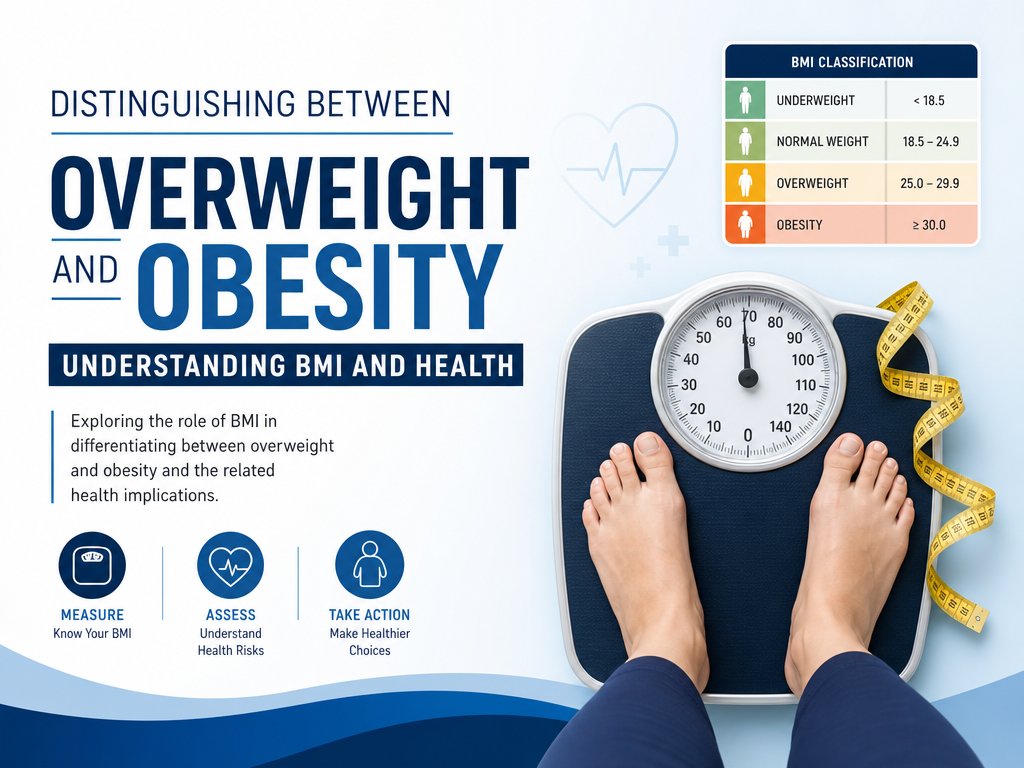
Lifestyle approaches are vital in the management of chronic hypertension. Maintaining a healthy weight is crucial, as obesity is strongly associated with increased blood pressure levels. Nutritious eating plans, such as the DASH diet (Dietary Approaches to Stop Hypertension), which is low in sodium and high in essential nutrients like potassium, calcium, and magnesium, and the Mediterranean diet, which emphasizes whole grains, fruits, vegetables, and healthy fats, are strongly recommended for promoting cardiovascular health. Alongside dietary adjustments, reducing alcohol consumption and quitting smoking are also important lifestyle changes that can substantially impact blood pressure control.
Incorporating Exercise
Regular physical activity has been consistently shown to help manage weight, reduce stress levels, and improve overall cardiovascular health, all of which contribute to managing chronic hypertension. Activities such as brisk walking, swimming, and cycling are particularly beneficial. The American Heart Association advises individuals to engage in at least 150 minutes of moderate-intensity exercise weekly, such as brisk walking, or 75 minutes of vigorous-intensity aerobic activity, such as running. Additionally, incorporating strength training exercises at least twice a week can further enhance overall health and fitness levels.
Physical activity not only aids in controlling weight but also promotes better sleep patterns and reduces anxiety, both of which have positive impacts on blood pressure control.
Medical Treatments for Chronic Hypertension
Medications remain an essential component in the treatment plan for chronic hypertension. These anti-hypertensive medications are specifically designed to not only control blood pressure effectively but also reduce the risk of developing severe cardiovascular diseases, like heart attacks and strokes. Common classes of blood pressure medications include ACE inhibitors, angiotensin II receptor blockers (ARBs), diuretics, beta-blockers, and calcium channel blockers. Each class of medication functions differently, and healthcare providers determine the most suitable medication or combination based on individual patient profiles and needs.
Regular follow-up appointments with healthcare professionals are crucial for monitoring blood pressure, adjusting medications if necessary, and checking for any potential side effects associated with long-term medication use. This comprehensive approach ensures optimal blood pressure control and minimizes risks associated with chronic hypertension.
An individualized treatment plan that considers the patient’s overall health, coexisting medical conditions, and specific lifestyle factors is paramount in effectively managing chronic hypertension.
Conclusion
Chronic hypertension, while common, is a manageable condition through the strategic combination of medications and lifestyle adjustments. Commitment to a healthy lifestyle, which includes balanced nutrition and regular physical activity, adherence to prescribed medication regimens, and regular monitoring with healthcare professionals can significantly help in preventing major cardiovascular complications. Furthermore, routine health screenings and open communication with healthcare providers can enable early detection and timely intervention, which are crucial in managing the condition.
By taking these proactive steps, individuals living with chronic hypertension can enhance their quality of life, reduce health risks, and maintain better overall well-being, making a substantial difference in long-term health outcomes. With the right support and education, individuals are empowered to make informed decisions about their health and to effectively manage their condition for optimal results.