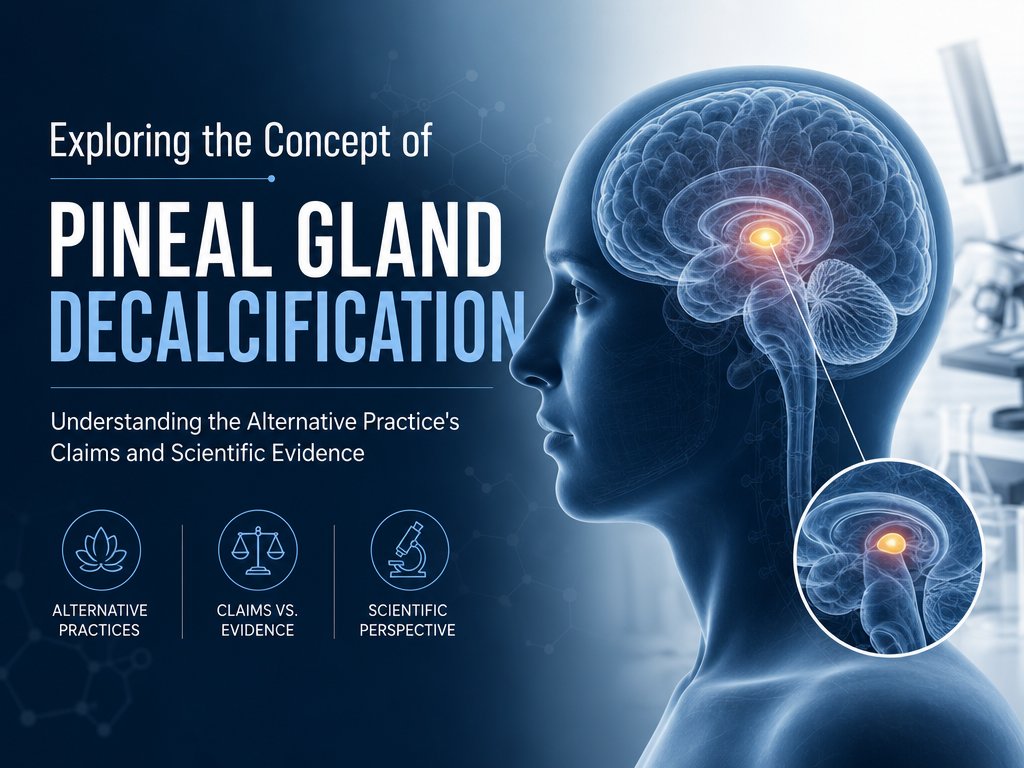
Introduction to the Pineal Gland
The pineal gland, a small yet significant structure located deep within the brain, holds a pivotal role primarily in producing melatonin. This hormone is key to regulating circadian rhythms, widely known as sleep-wake cycles. The gland receives signals from the eyes about external light exposure, enabling it to adjust melatonin levels—peaking at night to induce drowsiness and facilitate restful sleep. Hence, the pineal gland is often associated with influencing sleep quality and duration. Understanding the more intricate roles of this gland can provide insights into why some individuals place significant importance on its function and potential health implications.
The Concept of Decalcification
“Decalcifying” the pineal gland is a term often floated within alternative medicine circles. It suggests that by reducing calcifications, one could potentially alleviate certain health conditions, such as migraines or varying sleep disorders. While intriguing, the concept lacks endorsement as a formal medical term or validated therapeutic approach within mainstream medicine. Advocates of decalcification posit numerous potential benefits, yet the underpinning research supporting these claims remains sparse and inconclusive. This concept sparks curiosity due to the possibility that addressing pineal gland calcifications might hold promise for improving overall health and wellbeing.
Understanding Pineal Calcifications
Studies have indicated that calcium deposits can form within the pineal gland, a process reminiscent of calcifications that occur within other bodily structures like heart valves and joints. This phenomenon might interfere with melatonin production, prompting interest in understanding underlying factors and potential health impacts. Researchers aim to uncover whether these calcifications have substantial effects on the pineal gland’s functioning and overall impact on systemic health.
Theories Behind Calcification
- Aging: Aging is a natural process that might influence the onset and extent of calcification. As individuals age, physiological changes occur that could contribute to the development of these deposits.
- Metabolic Activities: Variances in metabolic activity within the pineal gland could be factors in calcification development. Exploring metabolic influences provides insights into preventive strategies.
- Light Exposure: Increased melatonin production during prolonged darkness might inversely affect calcium deposits in the gland over time. The relationship between light exposure and calcification is an emerging area of interest.
- Chronic Conditions: Certain persistent medical conditions may elevate risks associated with calcification, although specific conditions remain under study. Identifying these conditions may help in tailoring preventive measures.
Symptoms and Research
The potential consequences of pineal gland calcifications have been hypothesized to include insomnia, migraines, and other health issues. However, whether calcification has a direct causative effect on these symptoms remains an area of scientific debate. Mixed outcomes from studies highlight the necessity for further rigorous research to examine and establish any direct correlations or causative links. By advancing research, medical science seeks to illuminate the relationships between calcification and these health challenges, potentially guiding future preventative or therapeutic strategies.
Fluoride and Calcification
Some studies have posited a potential linkage between fluoride exposure and pineal calcifications. Fluoride, introduced into community water supplies and dental health products, has an affinity for calcium compounds. This chemical property raises the hypothesis that fluoride could contribute to the accumulation of calcium deposits within the pineal gland. Despite these hypotheses, comprehensive human-focused studies are needed to substantiate or dismiss such claims conclusively. Further exploration into fluoride interactions with body systems could clarify its role, if any, in influencing pineal gland calcifications.
Approaches to Decalcification
Individuals exploring methods for potential pineal gland decalcification might choose to limit exposure to fluoride by opting for non-fluoridated water and dental products. Additionally, selecting organic and minimally processed foods is often advocated alongside the cautious use of calcium supplements. The premise is to reduce extraneous intake of compounds thought to contribute to calcification. These lifestyle considerations are well-aligned with general health practices often advised for maintaining overall health.
Official Stance on Fluoride
The prevailing stance from health organizations firmly supports water fluoridation due to its proven efficacy in enhancing dental health and preventing cavities. However, for individuals curious about avoiding fluoride intake, it’s regarded as generally safe when complemented by diligent oral hygiene practices such as regular flossing and using fluoride-enriched toothpaste. Engaging in such an experimental avoidance should always be closely managed to maintain oral health, ensuring that one maintains a balanced approach to fluoride consumption given the beneficial outcomes.
Conclusion: A Medical Perspective
From a mainstream medical perspective, pineal gland calcification is not typically viewed as a pressing medical concern requiring intervention. There are currently no standardized treatments designed to reduce calcifications within the pineal gland, owing primarily to limited evidence confirming the condition’s medical significance. Health professionals advocate for further studies to explore the potential implications and any effective therapeutic measures. If sleep disorders or related health concerns arise, consulting a healthcare provider is advised to identify underlying causes and potential interventions. Despite the frequent occurrence of calcification, conclusive evidence linking it to pronounced medical issues is yet to be established. While some choose to cautiously adjust fluoride and calcium intake as a preventive strategy, this remains speculative in nature. Ongoing research continues to probe the complexities of the pineal gland, aspiring to disentangle its mysteries and illuminate the broader implications of calcification. Progress in this field will potentially yield new insights, leading to more informed lifestyle choices and health care practices surrounding this enigmatic gland.