Introduction to Folate
Bezzy communities nurture supportive relationships among those managing chronic conditions, often discussing the crucial role nutrients play in overall well-being. Folate, an essential vitamin and mineral, is significant in maintaining good health. As part of the vitamin B9 family, folate naturally exists in many foods and is also added to certain processed products to boost nutritional value. Multivitamins and other types of supplements serve as important folate sources, especially for individuals who have difficulty meeting their folate needs through diet alone. These can be purchased both over-the-counter and via prescription options.
Why Folate Is Essential
Folate is fundamental for supporting the process of cell division and producing DNA, which contributes to forming the genetic material vital for life. Its importance is particularly highlighted during pregnancy, as sufficient folate intake is crucial for preventing neural tube defects in developing fetuses. This intake helps ensure healthy birth outcomes and supports the foundational health of new generations. Both prospective mothers and healthcare providers are aware of just how critical folate consumption is during this pivotal life stage.
Folate’s Broader Health Benefits
Emerging scientific research indicates that folate may provide additional health benefits beyond its essential role during pregnancy. Although further studies are required to fully explore these potential benefits, maintaining adequate folate levels is generally seen as beneficial. Most people typically receive sufficient amounts from their dietary intake, though certain groups may require more intentional monitoring. For example, women of childbearing age and non-Hispanic Black women are populations that may need focused attention to ensure they meet their nutritional needs. Individuals with specific medical conditions might also have increased folate requirements.
Daily Folate Needs and Sources
The daily requirements for folate vary based on factors such as age, gender, health status, and life stage. Although most individuals manage to meet their folate needs through dietary sources, some situations might present exceptions. Women in their reproductive years may require increased folate to support potential pregnancies. In the U.S., fortifying foods like cereals and grains with folic acid enriches the dietary folate available to the general population, helping meet their nutritional needs more effectively. This widespread fortification has played a critical role in raising awareness about the importance of vitamin supplementation among the population.
Dietary Sources and Supplements
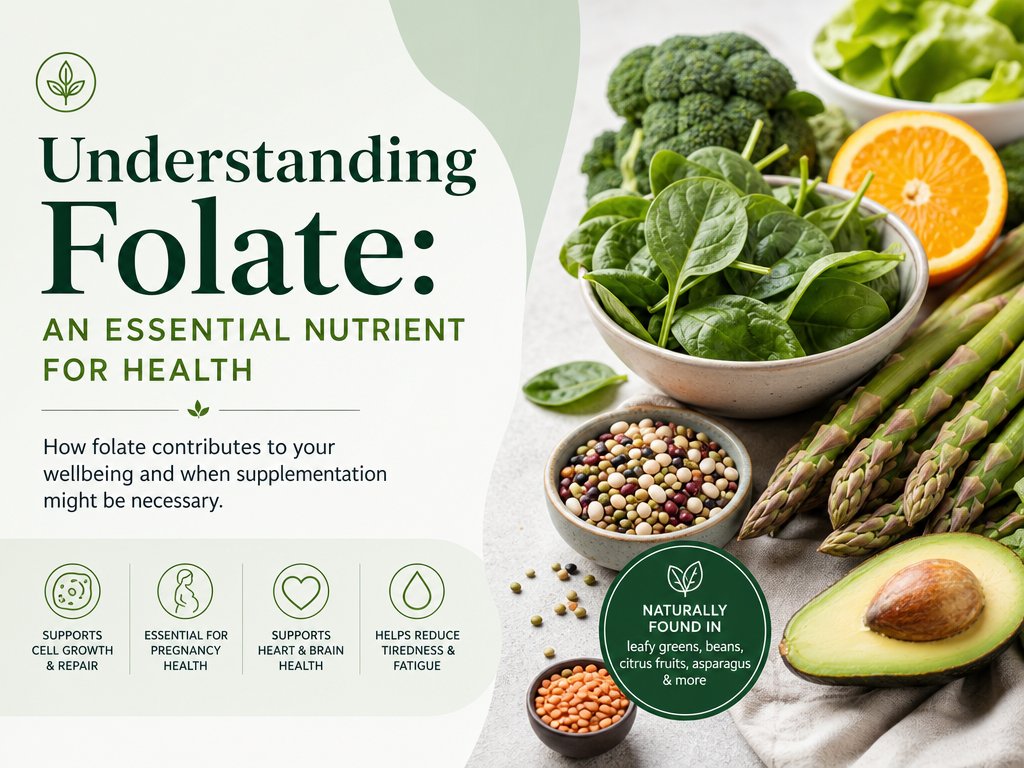
Natural sources of folate such as beans, leafy green vegetables, and citrus fruits are excellent choices for incorporating this vital nutrient into your diet. Foods like bread and flour often contain folic acid due to the fortification process. Eggs, nuts, and peas further diversify folate’s presence in natural and fortified foods, offering a wide array of choices for diet planning. While most individuals can obtain the necessary folate levels from diet alone, certain circumstances might require supplements. Caution is advised regarding excessive intake, as it could lead to unwanted side effects or adverse health impacts. Seeking guidance from healthcare professionals regarding supplements can help prevent any possible negative effects.
Potential Overconsumption Risks
Consuming excessive amounts of folic acid may mask a vitamin B12 deficiency, potentially posing serious risks to long-term neurological health if undiagnosed over time. This masking effect can delay the proper diagnosis and treatment of vitamin B12 deficiency. For this reason, healthcare providers usually advise carefully managing folate intake to ensure an appropriate balance. Monitoring vitamin levels can prevent complications and promote overall health. Keeping track of supplemental intake alongside dietary consumption is particularly beneficial for maintaining nutritional balance.
Conclusion and Guidance
For the majority of individuals, excessive worry about folate intake is usually unnecessary due to existing food fortification policies. Nonetheless, certain populations may consider additional folate supplementation beneficial. Consulting a healthcare professional for personalized advice is recommended to determine the optimal course of action tailored to individual health needs and circumstances. This approach ensures that individuals receive adequate nutrition to support long-term health and wellness. Reducing the risk of deficiencies or overconsumption contributes to improved quality of life and helps individuals achieve their health goals through informed decision-making and commitment to balanced nutrition.