Introduction to Medicare Grocery Allowance
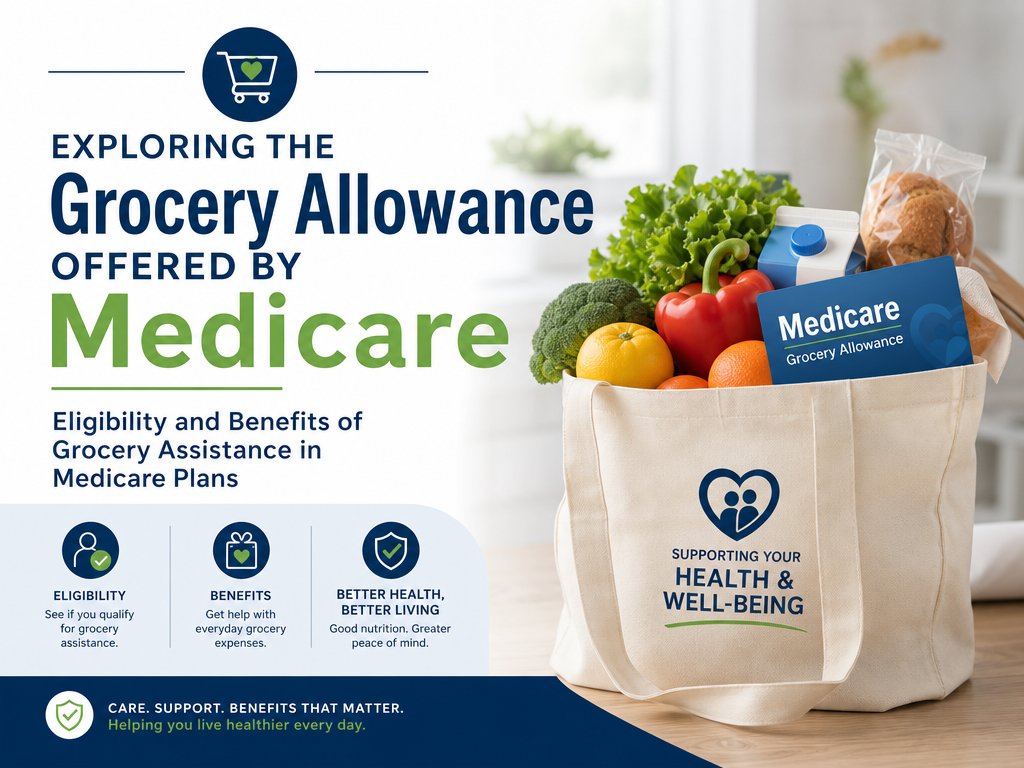
Certain Medicare programs, including the Medicare Advantage (Part C) plans, offer a grocery allowance as part of their special benefits for individuals with chronic illnesses. This benefit is thoughtfully designed to assist participants in effectively managing their chronic conditions through improved nutrition, recognizing the vital role a healthy diet plays in health management. By providing access to healthier food options, Medicare aims to help beneficiaries maintain good health and manage medical conditions more effectively.
Understanding Eligibility
Medicare Advantage (Part C) Plans
Some Medicare Advantage plans provide additional benefits specifically designed for chronic condition management. These extra benefits may include grocery expenses assistance, enabling participants to access healthier food options that can support their overall well-being. Coverage and benefits can vary widely between plans, so it is important for participants to review their plan details carefully to understand what kinds of grocery expenses might be covered under their plan.
Other Programs Offering Grocery Benefits
Individuals who qualify for both Medicare and Medicaid might enroll in Dual Eligible Special Needs Plans (D-SNPs), which include grocery allowances and meal support as part of their offerings. In addition, PACE (Programs of All-Inclusive Care for the Elderly) programs cater to people aged 55 or older, providing an array of services intended to keep them living at home rather than in a nursing facility. These services may also include access to grocery credit and meal delivery, further supporting the nutritional needs of participants. Both D-SNPs and PACE programs focus on providing comprehensive care that enhances the daily living standards of participants through improved nutrition and essential food access.
Utilizing Your Benefit
Recipients of C-SNP and D-SNP plans commonly receive a food allowance card, which functions like a prepaid debit card. The usability of this card may vary by plan and is generally accepted at designated grocery stores. However, it is crucial to verify which specific items the plan covers, as unspent funds may not carry over to the next month, and restrictions may apply on eligible purchase items. Additionally, some plans might require participants to purchase specific types of food, such as fresh produce or whole grains, to ensure that the benefit genuinely contributes to a healthier diet. This requirement underscores the program’s commitment to fostering improved health through strategic dietary choices.
Pace Program Benefits
PACE programs are comprehensive and include several support services aimed specifically at promoting the well-being of participants. Among its numerous benefits, PACE includes food-related services such as grocery shopping support, meal vouchers, or home-delivered food, all aimed at ensuring participants receive balanced nutrition. This benefit not only guarantees participants access to healthy meals but also enhances their quality of life while enabling them to continue living at home. By offering customized meal plans and delivery services, PACE ensures that each participant’s unique nutritional needs are precisely met, enhancing their day-to-day living experience.
Enrolling in a Plan
Before opting for Medicare Advantage plans that offer grocery support, you first need to be enrolled in Original Medicare (Parts A and B). Following enrollment in Parts A and B, during eligible enrollment periods, you have the opportunity to switch to Part C plans that provide such benefits, provided these plans are available in your specific area. It is advisable to explore different plan options, thoroughly comparing benefits to identify which plan best suits your needs, especially concerning grocery benefits and other chronic condition supports. Comparing plans also involves understanding each plan’s network of providers, formulary, and associated costs like premiums and copays, allowing you to make an informed decision tailored to your health requirements.
Post-Discharge Meal Benefits
Some Medicare Advantage plans also propose temporary meal services following a discharge from medical facilities. These services are generally limited to a set number of meals, but they provide essential support during recovery periods. The meals can be tailored to meet various dietary needs and restrictions, such as vegetarian, low-sodium, or gluten-free diets, ensuring that the nutritional needs of recovering individuals are both met and respected. These meals are typically provided ready-to-eat, adding convenience to the recovery process and fostering quicker recuperation. This benefits individuals who may have limited mobility or find it difficult to prepare nutritious meals during their recovery period.
Conclusion
These grocery allowances and meal benefits are structured to aid individuals with chronic health conditions and those recovering from hospital stays by helping them manage their nutrition and recovery efficiently through better food resources. As such, participants are equipped with resources that support healthier living, allowing them to focus more on their health and less on food acquisition, which consequently contributes positively to their overall well-being. Access to grocery benefits not only provides practical help but also alleviates stress related to meal planning and preparation, promoting both mental and physical health, enabling more robust management of health conditions. Additionally, these supports aim to promote sustained independence in daily activities, contributing to an improved quality of life.