The Muscular System: An Overview
The muscular system is integral to the control of movement in our bodies and internal organs. This system is comprised of muscle tissue that contains specialized structures known as muscle fibers. Each muscle fiber is essentially a single muscle cell that plays a pivotal role in directing physical forces throughout the body. When muscle fibers combine, they enable coordinated movement of the limbs and tissues, facilitating a wide range of activities from simple daily tasks to complex athletic feats. These actions not only support physical activity but also maintain posture and balance, highlighting the multifaceted roles muscles play in our daily lives.
Types of Muscle Tissue
There are three main types of muscle tissue found in the body: skeletal, cardiac, and smooth muscles. Each of these types contains unique muscle fibers with distinct functions and characteristics that are specifically tailored to meet the needs of corresponding bodily systems. Understanding the differences between these muscle types is essential for comprehending how the body performs a variety of tasks, from pumping blood to digesting food and enabling voluntary movement.
Skeletal Muscle Fibers
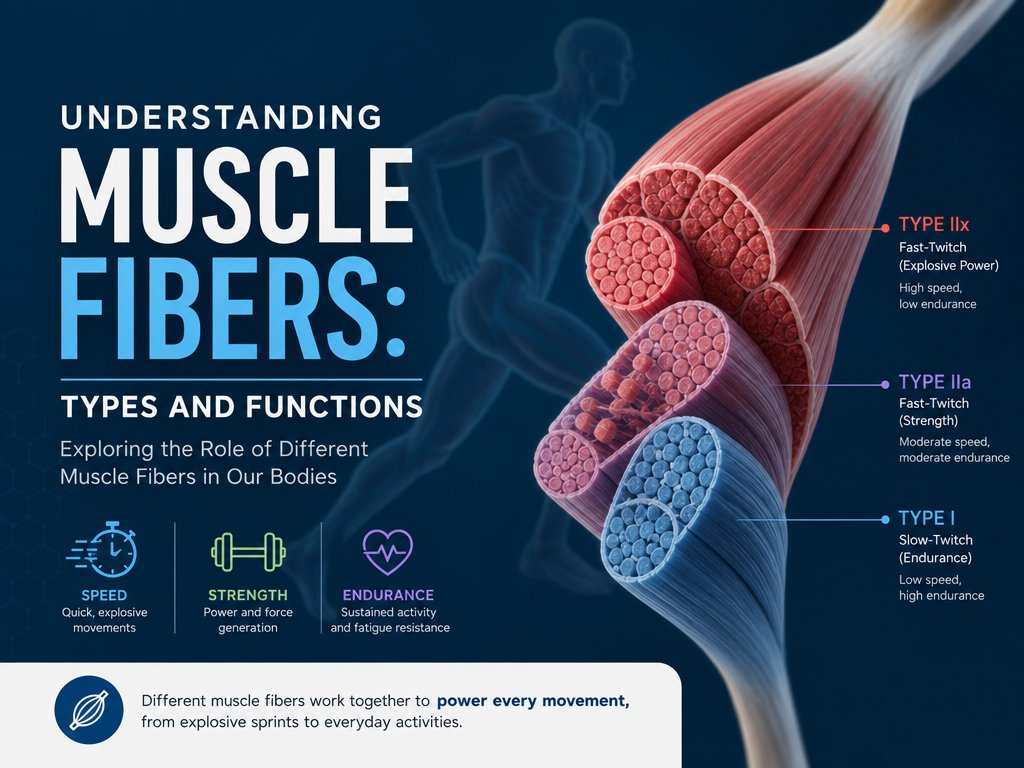
Skeletal muscles are made up of countless muscle fibers bundled together by connective tissue. They feature striations or a striped appearance due to repeating thick and thin filaments. These muscle fibers can be categorized into two main types: type 1 (slow-twitch) and type 2 (fast-twitch). Type 2 fibers are further divided into subtypes, each serving unique roles in response times, endurance, and strength tailored to various demands. The adaptability of these fibers allows for diverse physical capabilities, from endurance sports to strength-based activities.
Smooth Muscle Fibers
In contrast to skeletal muscles, smooth muscles display a uniform, non-striated appearance. These muscle fibers are significantly shorter, possessing an oblong shape similar to a football. Smooth muscles are found in the walls of internal organs and vessels, where they regulate essential functions such as blood flow and digestion through involuntary actions. By adjusting the diameter of the blood vessels, smooth muscles contribute to regulating blood pressure and redistributing blood flow according to the body’s changing needs.
Cardiac Muscle Fibers
Cardiac muscle fibers, found exclusively in the heart, are striated much like skeletal muscles. However, they possess unique features that enable them to maintain their own rhythm, thanks to special pacemaker cells that generate impulses. These impulses facilitate an organized, rhythmic contraction pattern, crucial for maintaining consistent heartbeats, thereby ensuring the continuous blood circulation necessary for sustaining life. The heart’s capacity to function autonomously is critical, as it must respond to varying demands for oxygen and nutrients throughout the body.
How Muscles Work
Muscles utilize a basic process known as depolarization, which is a change in electrical charge initiated by nerve impulses or pacemaker cells. This change leads to a complex series of reactions resulting in muscle contraction, wherein actin and myosin filaments slide past each other. Energetically, muscles contract when stimulated by electrical or chemical signals and relax in the absence of stimulatory input, restoring energy for future contractions. This cycle is vital for muscle functionality, enabling muscles to switch between states of exertion and rest in response to the body’s ever-changing demands.
Fast-Twitch vs. Slow-Twitch Fibers
Skeletal muscle fibers can be identified as either fast-twitch (FT) or slow-twitch (ST). FT fibers contract rapidly due to a quick breakdown of ATP, which provides energy swiftly. They are instrumental in short bursts of strength and speed, making them ideal for activities like sprinting or weightlifting. Conversely, ST fibers operate more slowly, using oxygen efficiently to sustain long-term activities. Their endurance capacity supports activities such as marathon running or long-distance cycling, where prolonged energy expenditure is required. This distinction impacts not only athletic performance but also influences how individuals approach training and exercise.
Variability and Athletic Performance
The distribution of FT and ST fibers varies significantly among individuals, influencing their athletic strengths. Endurance athletes, such as long-distance runners, generally possess a higher proportion of ST fibers, offering sustained energy utilization. On the other hand, power athletes like sprinters or weightlifters often have more FT fibers, enabling rapid and forceful movements crucial for explosive performance. These innate differences can be fine-tuned with training, highlighting the importance of tailored exercises to optimize muscle performance in different sporting contexts.
Muscle Fiber Health
Various conditions can compromise muscle fiber function, whether through physical injury, neurological issues, or other health problems. Maintaining muscle fiber health is crucial for proper muscle and organ function throughout the body. Regular exercise, balanced nutrition, and adequate rest are key strategies in preventing muscle-related disorders and promoting overall resilience and performance of the muscular system. Moreover, appropriate medical interventions and rehabilitation are essential when addressing muscle injuries or degenerative diseases to restore optimal muscle function. Understanding the underlying cause of muscle disorders plays a vital role in crafting effective treatments. In living a healthy lifestyle that promotes muscle strength and efficiency, individuals can ensure that their muscular system continues to support their daily functions and activities effectively throughout their lifetime.