Understanding Broken Arms
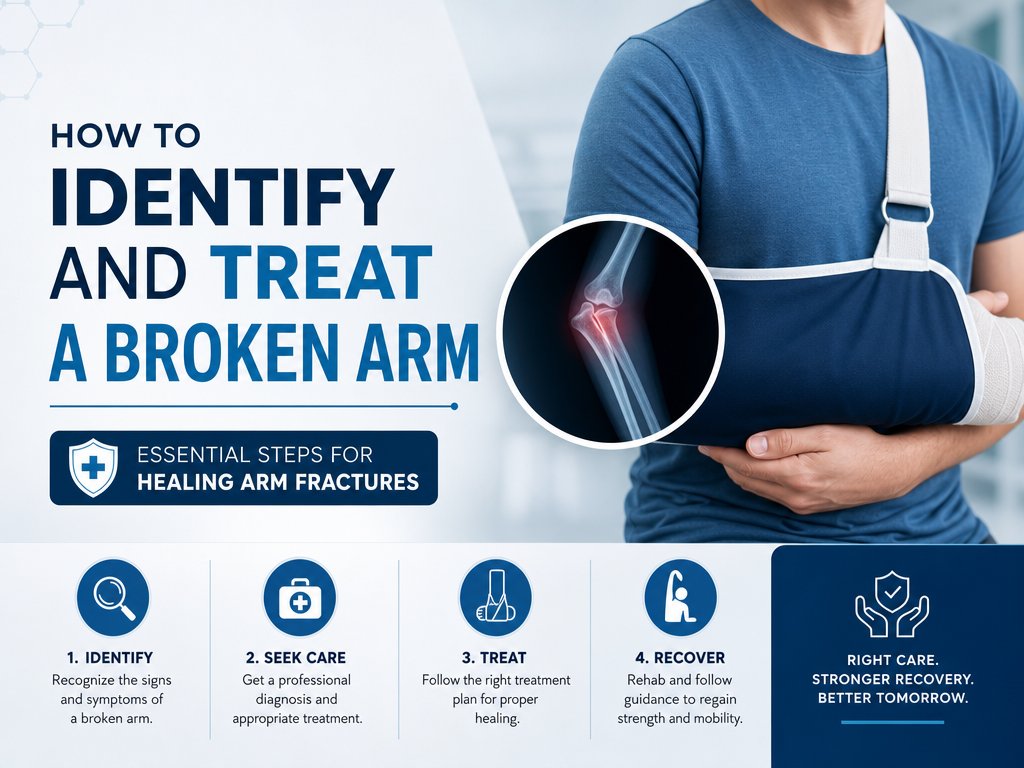
A broken arm, referred to medically as a fracture, involves damage to one or more of the three bones in the arm: humerus, ulna, or radius. Immediate medical treatment is vital to ensure the bone heals correctly. The following sections discuss how to identify and treat a broken arm effectively.
Signs of a Broken Arm
When a fracture occurs, you might hear a snapping or cracking sound. Pay close attention to symptoms such as intense pain, swelling, noticeable deformity, and inability to move the arm without considerable discomfort. In severe cases, where the bone protrudes through the skin, it’s crucial to seek urgent medical care to prevent infections. Proper cleaning and treatment of the wound by healthcare professionals are necessary in such situations to avert complications.
Common Causes
Broken arms frequently result from various incidents, including falls, sports injuries, or direct trauma associated with car accidents. Ensuring a prompt medical evaluation is important, as well as an accurate diagnosis using imaging tools like X-rays. Sometimes, detailed assessments with MRIs or CT scans are needed, depending on the complexity and location of the fracture.
Treatment Process
The treatment process consists of several crucial steps. Initially, the bone is carefully set back into its correct position. It is then immobilized using a cast or a splint to protect and align it while healing occurs. Some situations may demand surgical intervention, especially when proper alignment isn’t achievable with a cast or splint alone. During such surgeries, fixation devices such as plates, screws, or rods are employed to maintain optimal bone alignment. Following initial stabilization, patients are encouraged to participate in rehabilitation exercises aimed at regaining the strength and flexibility of the affected arm.
Recovery and Prognosis
Typically, the duration of immobilization using a cast lasts between four to six weeks; however, some patients might need to limit their activities for up to two to three months after the cast is removed. Early intervention ensures a more favorable prognosis. Nevertheless, it is essential to monitor for potential complications, such as nerve or blood vessel damage around the injury site.
If a fracture is suspected, immediate medical assistance should be a priority. Early and effective treatment not only improves recovery chances but also facilitates a smoother rehabilitation process. Generally, a rapid medical response leads to successful healing and the resumption of normal activities after the appropriate recovery period.