Introduction to Semen Composition
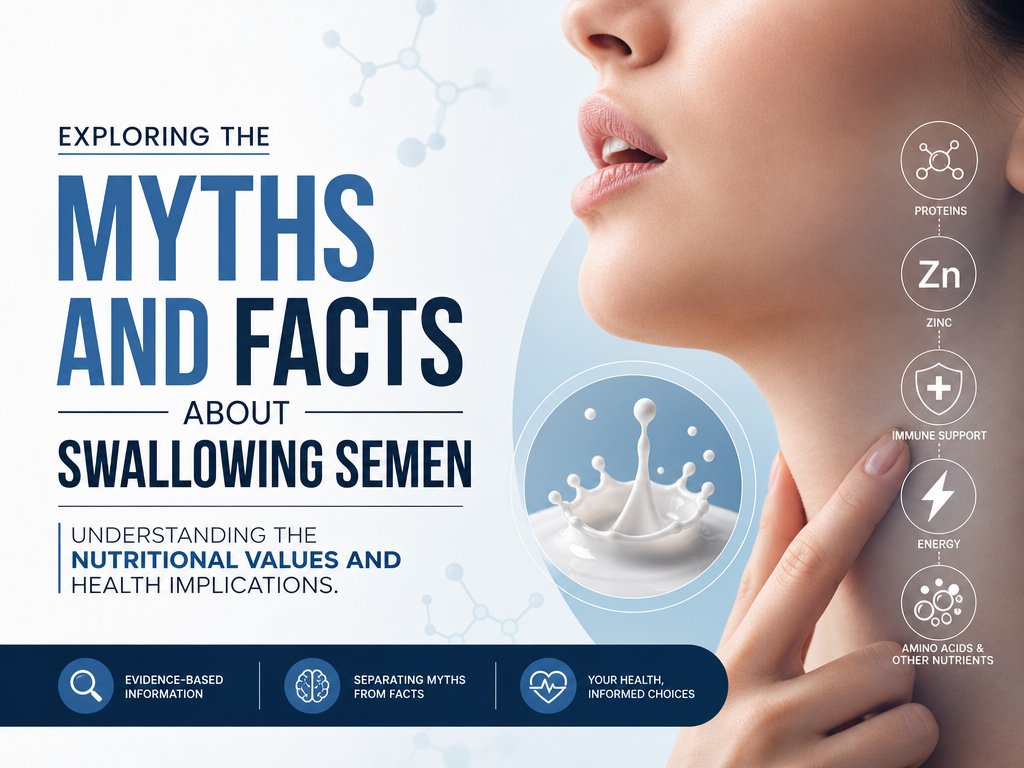
Semen is a topic of pronounced interest, especially regarding its perceived health benefits and nutritional value. This substance is primarily composed of two components: sperm and seminal plasma. Sperm cells are the reproductive cells that carry genetic information necessary for the fertilization process, while the seminal plasma, mainly water, comprises the fluid part containing various proteins, enzymes, and minerals. Additionally, this mixture includes substances such as zinc and vitamin C, which play roles in supporting sperm vitality and overall semen quality. Altogether, semen is considered safe to ingest for most people. However, in certain rare instances, individuals may experience human seminal plasma hypersensitivity, which can cause allergic reactions ranging from mild skin irritations to more severe symptoms or bodily effects.
Nutritional Aspects of Swallowing Semen
While there is a common belief that semen is rich in protein, the actual protein content is relatively minimal. To obtain any significant nutritional benefit from swallowing semen, one would have to ingest large quantities, as the protein content is far less than typically found in common dietary sources of protein such as meat, fish, or legumes. Besides, semen contains other compounds, including fructose and enzymes, and is estimated to contain between 5 to 25 calories per teaspoon, though this is not thoroughly researched. Despite its low caloric value, it does contain trace amounts of essential nutrients like magnesium and potassium. However, the caloric and nutritional contributions to one’s diet are negligible compared to typical food items. Thus, consuming semen for its nutritional value may not be worthwhile for most individuals who maintain a balanced diet.
Factors Affecting Semen Taste
The taste of semen can vary significantly from person to person, and it is often described as bitter, salty, or metallic, though some find it tastes sweet. It’s suspected that a person’s diet plays a significant role in influencing the flavor. Certain foods, such as fruits and vegetables like pineapples, mangoes, and citrus, are believed to potentially alter the flavor, often making it taste sweeter. Similarly, the scent of semen can vary, potentially smelling like bleach due to the alkaline nature of its components crucial for maintaining the pH in which sperm thrive. Factors such as diet and lifestyle, including smoking or alcohol consumption, may also have an impact on both the taste and odor. A well-balanced diet could potentially enhance the flavor, while unhealthy habits might have the opposite effect. Certain herbs and spices, such as cinnamon and peppermint, are sometimes rumored to improve the taste, although individual experiences may vary.
Potential Health Effects of Semen
Some research has suggested that semen may possess natural antidepressant qualities, possibly due to the presence of hormones like oxytocin and serotonin, which are known to influence mood positively. A study reported mood improvements in women who were exposed to semen through unprotected intercourse, but it’s important to note that these findings are preliminary and should be approached with caution. Additionally, semen may contain stress-relieving properties due to mood-enhancing compounds, and it also contains antioxidants like spermine, which could help reduce oxidative stress in the body. Nonetheless, the evidence supporting these potential benefits is not conclusive, and further research is needed to fully understand these effects. Always consider consulting a healthcare provider before attributing significant health impacts to exposure or ingestion of semen based on current scientific understanding.
Semen and Health Risks
As with any form of unprotected sexual interaction, swallowing semen carries potential health risks, particularly regarding the transmission of sexually transmitted infections (STIs) such as gonorrhea, chlamydia, and herpes. Using protection and having open discussions about sexual health with partners are highly recommended to mitigate these risks. Regular STI screenings and maintaining honest dialogues about sexual history can contribute to safer practices and reduce potential health issues. Though rare, it is also possible for individuals to have an allergy to semen, which may prompt severe allergic reactions, including anaphylaxis in extreme cases. Symptoms can include redness, itching, and swelling in affected areas. People with certain medical conditions or who are immunocompromised might face increased susceptibility to infections. Those with known allergies or compromised immune systems should take precautions and consult with healthcare professionals if they experience symptoms or suspect any adverse reactions.
Conclusion: Personal Choice in Sexual Health
The decision to swallow semen is a personal one and should be grounded in mutual comfort and safety. It is vital to discuss STI risks with partners openly and make informed choices that are aligned with one’s personal health and preferences. Ensuring open communication can lead to more positive experiences and outcomes. Always consult healthcare professionals if any concerns arise or if there are any symptoms of allergies after contact. Additionally, understanding one’s own body and any potential reactions is crucial in making sexual health decisions. Prioritizing safety, trust, and mutual consent is fundamental in any intimate relationship, allowing all parties involved to feel secure and respected in their choices. Being informed about both the potential benefits and risks can also help individuals make decisions that best support their overall well-being and the health of their partners.