Introduction to HIV
HIV (Human Immunodeficiency Virus) is a virus that targets the immune system, specifically compromising CD4 cells, which play a vital role in maintaining immunity. Understanding the mechanisms by which HIV affects the body is crucial due to its significant impact on health and its potential progression to AIDS (Acquired Immunodeficiency Syndrome). Since its initial discovery, HIV has emerged as a major public health concern worldwide, prompting extensive research efforts and the development of effective treatments and preventive strategies.
Stages of HIV
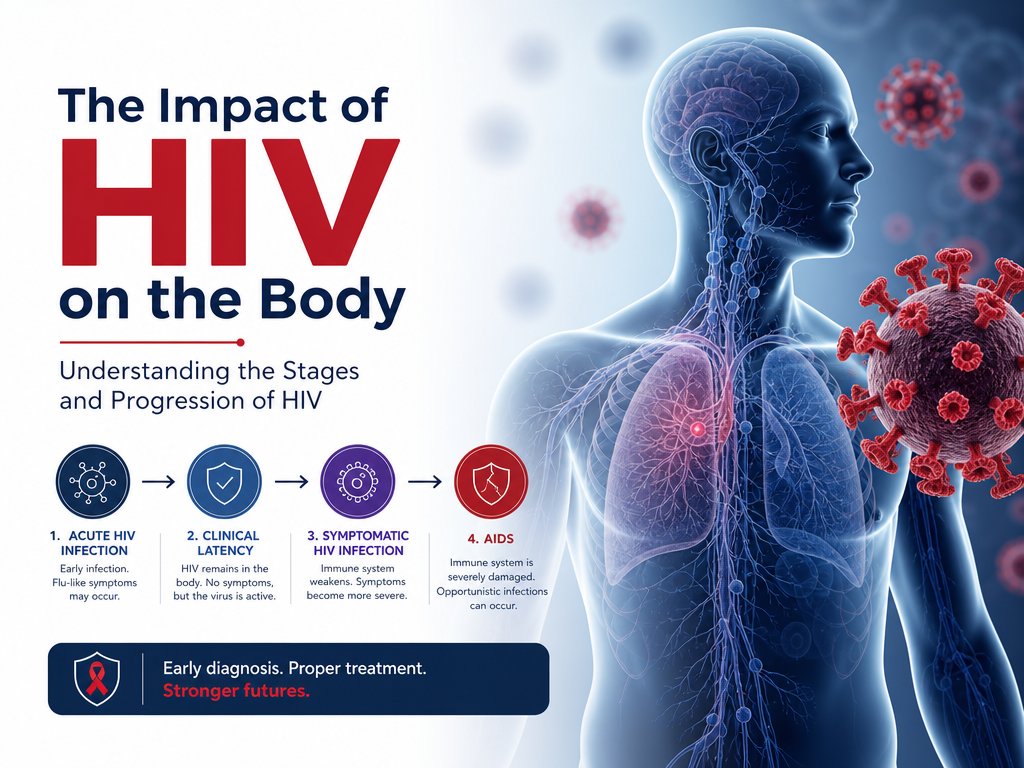
The progression of HIV in the body occurs in three primary stages: acute HIV infection, chronic HIV infection, and AIDS. Acute HIV infection is the initial stage that occurs within weeks after contracting the virus and often presents flu-like symptoms. This stage is marked by rapid viral multiplication and significant drops in CD4 cell counts. Not all individuals exhibit noticeable symptoms, but the risk of transmission is highest at this point. During this stage, individuals may unknowingly pass the virus to others, highlighting the importance of early testing and diagnosis.
Chronic HIV Infection
Following the acute stage is the chronic phase, also referred to as the latent or asymptomatic stage, where the virus continues to replicate but at a slower pace. Without treatment, this stage can last several years, often without symptoms, yet the virus remains active and can still be transmitted. The CD4 cell count gradually declines during this period, underscoring the need for regular health check-ups and monitoring. Without intervention, the chronic stage can eventually lead to further deterioration of the immune system.
Progression to AIDS
If left untreated, HIV progresses to AIDS when the CD4 cell count falls below 200 cells/mm3, or the individual develops specific opportunistic infections or diseases. At this advanced stage, the immune system is severely compromised, making the body more susceptible to infections and certain cancers, such as lymphoma and cervical cancer. Many of these conditions can become life-threatening, especially if not managed appropriately. The vulnerability of the immune system at this stage makes it crucial for those diagnosed to seek medical care immediately and adhere strictly to prescribed treatments. Furthermore, the development of opportunistic infections highlights the need for comprehensive care that addresses not only the virus but also the accompanying medical conditions.
Transmission and Prevention
HIV transmission occurs through bodily fluids such as blood, semen, vaginal fluids, and breast milk. High-risk activities include unprotected sex and sharing needles. Achieving viral suppression through antiretroviral therapy (ART) is key in preventing transmission. Consistent ART use can lead to an undetectable viral load, dramatically reducing the risk of transmission. Maintaining regular treatment regimens and monitoring by healthcare professionals are essential for achieving optimal outcomes in reducing transmission rates.
Preventative Measures
Regular HIV testing, safer sex practices, and the use of preventive medications like preexposure prophylaxis (PrEP) can effectively reduce the risk of contracting HIV. For those who may have recently been exposed to the virus, postexposure prophylaxis (PEP) may prevent infection if taken within 72 hours of exposure. It is crucial for individuals to understand these preventive measures, as they serve as the first line of defense against HIV transmission. Additionally, using condoms consistently and correctly during sexual activities is highly effective in reducing the risk of transmitting or contracting HIV and other sexually transmitted infections (STIs). Educating oneself and others about the modes of transmission and the methods for prevention can play a major role in curbing the spread of the virus within communities. Community-based interventions focusing on awareness, education, and stigma reduction can significantly bolster efforts to prevent HIV.
Treatment and Management
Advancements in medical treatments have greatly improved the life expectancy of those with HIV. ART remains the cornerstone therapy, employing combinations of drugs from different classes to suppress the virus, maintain CD4 levels, and delay progression. These treatments have transformed HIV from a fatal condition into a manageable chronic illness for many. Medical researchers continue to explore new drugs and treatment strategies to further enhance patient outcomes.
Living with HIV
Individuals with HIV can live long, healthy lives with appropriate treatment. Regular medical follow-ups, adherence to ART, and maintaining a healthy lifestyle contribute significantly to managing the condition. Early diagnosis and consistent treatment can prevent HIV from advancing to AIDS. Engaging with support networks and counseling can also provide emotional and mental support, helping those living with HIV to tackle the psychological challenges associated with the condition. Healthy habits, such as a balanced diet, regular physical activity, and adequate sleep, further support keeping the immune system robust, complementing the effects of ART.
Understanding HIV and following medical guidance are essential for those living with the virus and the people around them. Continuous education and support can help manage and even prevent the spread of HIV throughout communities. Public health messages focusing on correcting misconceptions and stigmas surrounding HIV are foundational in promoting inclusive and non-judgmental care environments. Furthermore, ongoing research continues to seek a cure and further improve treatment methodologies, driven by a global commitment to end the HIV epidemic. Collaborative efforts between healthcare providers, patients, and communities remain vital in realizing this goal, fostering a healthier future free from the burdens of HIV/AIDS. These efforts include implementing public health policies that ensure access to care and treatment for all individuals, regardless of their socio-economic status, thereby advancing equity in health outcomes. Expanding these measures involves working closely with international health organizations to share knowledge and resources, enhancing the implementation of cutting-edge healthcare solutions and interventions globally. Moreover, it requires persistent advocacy for funding and resources to drive innovative research while ensuring that existing treatments and programs reach those who need them most. As such efforts continue, hope grows for a world where HIV is no longer a public health threat but a disease of the past.