Overview of Plan B and Other Emergency Contraceptive Pills
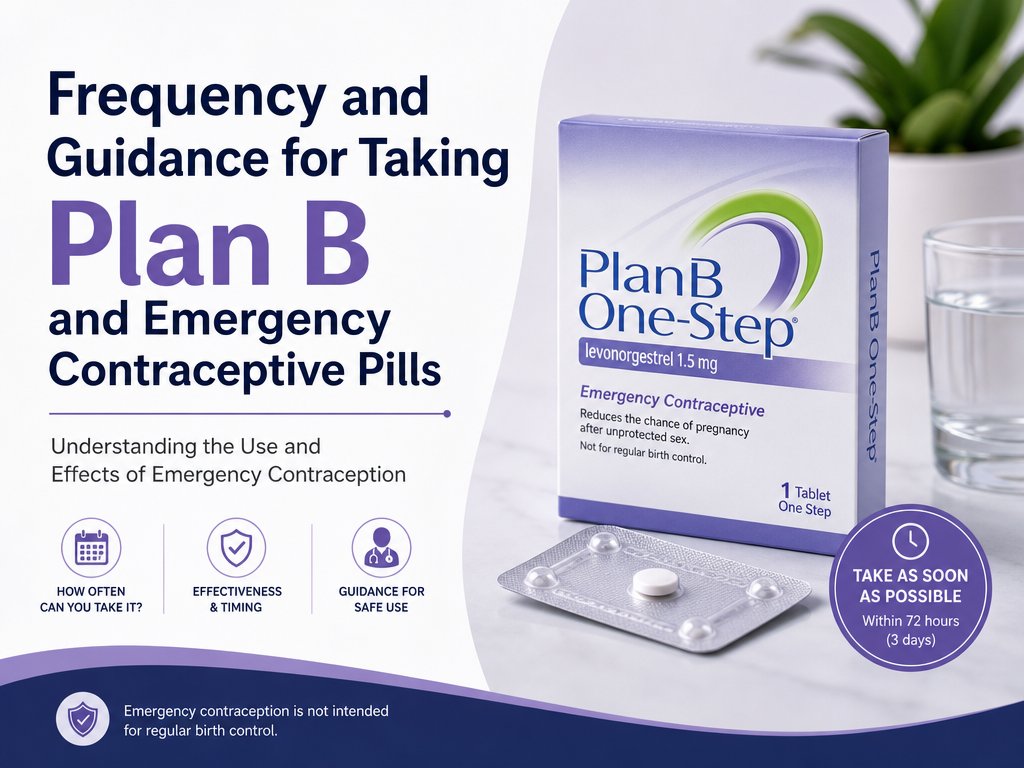
Plan B and other emergency contraceptive (EC) pills can be taken as often as needed without long-term complications, providing essential options for preventing pregnancy after unprotected intercourse. The main EC pills are Plan B, Ella, and higher doses of regular birth control pills. These are utilized after unprotected sex to significantly reduce the risk of unintended pregnancy. Their prompt availability and ease of use make them a crucial component of sexual and reproductive health strategies.
Types of Emergency Contraceptive Pills
There are three primary types of emergency contraception, each with distinct usage guidelines. Plan B can be safely used multiple times without concern for long-term side effects, although it should not be used if Ella has also been utilized since the last menstrual period. Moreover, Ella, being a more recent addition to the range of EC options, offers a different mechanism that can be preferred based on specific circumstances or advice from healthcare professionals.
Effectiveness and Limitations
Though considered safe, Plan B is not the most effective form of birth control when used regularly. Alternative methods such as consistent use of regular birth control pills, long-acting reversible contraceptives (LARCs), or condoms are more reliable and sustainable for ongoing prevention. Annually, if relying solely on EC pills, there is still a 20 to 35 percent chance of pregnancy, emphasizing the need for more regular preventive measures.
Ella is intended for a singular use per menstrual cycle and proves more effective than other EC pills. It requires a prescription and should be taken as quickly as possible, ideally within 120 hours following unprotected sex. Ella’s increased efficacy within a broader window of time post-intercourse makes it a viable alternative when immediate access to Plan B is not available.
Guidance on Usage
Plan B is most effective when taken within 72 hours after unprotected intercourse. It’s specifically designed to prevent ovulation or fertilization, depending on where you are in your cycle. Using multiple forms of EC pills within the same cycle is not recommended, particularly when it comes to taking Plan B and Ella together or consecutively, as their interactions are not fully understood and this may affect overall efficacy.
Common Side Effects
Side effects of EC pills can include menstrual irregularities, nausea, dizziness, and headaches. These effects are generally short-term and resolve on their own. More severe side effects are rare, but should any unusual symptoms persist, seeking medical attention is advisable. Long-term use of EC pills does not lead to risks such as infertility, countering a common misconception. This reassures users of the safety of EC for sporadic use without fear of affecting future fertility.
If further questions arise regarding EC pills, it is advisable to consult a healthcare provider for more detailed guidance and personalized information. They can aid in clearing doubts related to drug interactions, timing, and potential health issues, ensuring informed decision-making.
Cost and Accessibility
Plan B typically costs between $25 and $60, whereas Ella costs around $50 and necessitates a prescription. These emergency solutions are generally more expensive compared to some regular birth control methods. For example, generic birth control pills might be available at a lower monthly cost, making them a more economically viable option for long-term prevention. They are also less cost-effective when considering long-term contraception strategies, given the comparative costs of regular contraception and the frequency of need for emergency solutions.
Emergency contraception should be reserved for occasional use and not as a replacement for a consistent, primary birth control method. It is crucial to consider integrating a suitable regular contraceptive option into your lifestyle to minimize the reliance on emergency contraception. Availability of different contraception options allows for better planning and management of reproductive health.
Consultation with your healthcare provider can facilitate informed decisions regarding the most appropriate and convenient birth control options, tailored to individual health needs and circumstances. Regular consultations ensure that you maintain access to the latest advice and developments in contraceptive care. These discussions can also include considerations of personal health history, potential side effects, lifestyle factors, and efficacy rates, thereby empowering individuals to choose the most fitting method for their lifestyle.