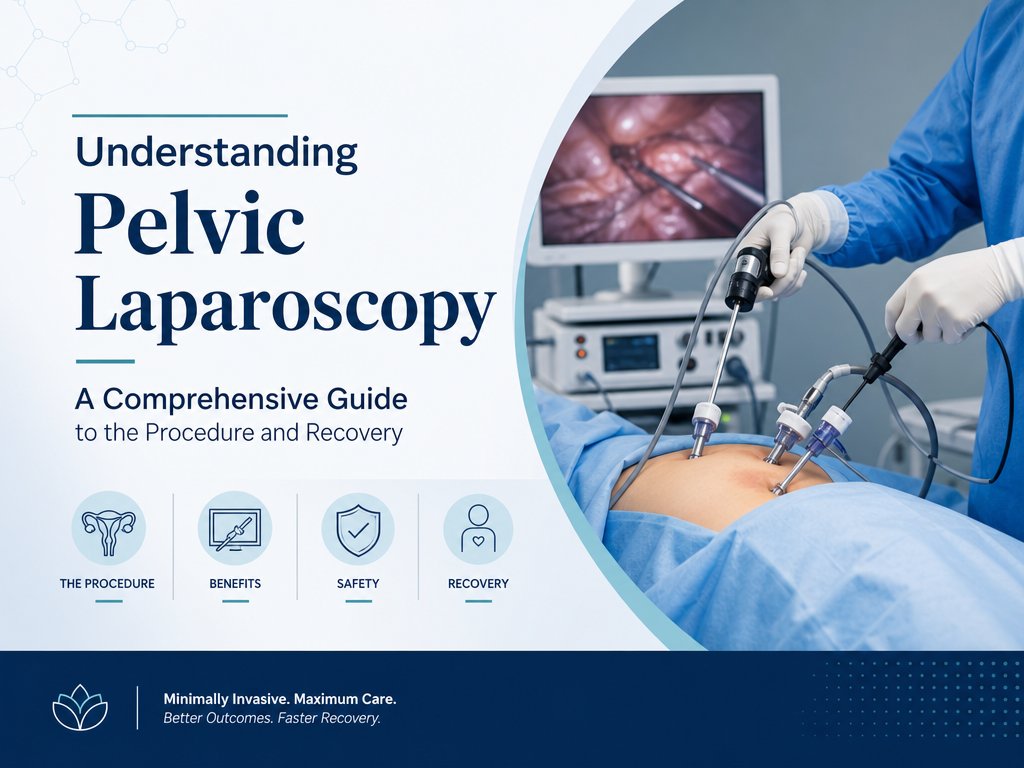
Introduction to Pelvic Laparoscopy
Pelvic laparoscopy is a procedure where a laparoscope, a slender tool outfitted with a high-intensity light and camera, is utilized by healthcare providers to examine the reproductive organs. The laparoscope is introduced through a tiny incision in the abdominal wall, allowing minimally invasive access to the organs for examination, biopsy, or, when necessary, treatment without the traditional requirement for open surgery. This revolutionary approach has streamlined various gynecological assessments and interventions, ensuring patients undergo less physically taxing procedures. By minimizing incision size, the laparoscopy offers both cosmetic and recovery benefits, thereby enhancing patient satisfaction.
Purpose and Benefits
Minimally Invasive Approach
Being minimally invasive, the recovery from pelvic laparoscopy is typically faster with less pain and blood loss compared to traditional surgery. This procedure provides a method for examination and treatment of conditions involving the uterus, ovaries, and fallopian tubes. The precision with which laparoscopy can be performed is instrumental in not only diagnosing but also potentially treating ailments such as endometriosis, fibroids, or ectopic pregnancies, enhancing the patient’s prognosis and quality of life. Additionally, because the incisions are significantly smaller than those required in open surgery, the risk of subsequent infection is reduced, thus advancing patient outcomes.
Complementary Imaging Techniques
Other imaging methods such as ultrasound, CT scans, and MRI may be employed alongside laparoscopy. If these noninvasive techniques do not yield a clear diagnosis, laparoscopy offers a more detailed examination. It has become a critical second step when imaging results are inconclusive, allowing clinicians to observe conditions directly and more accurately determine the nature of the underlying issue. This direct vision allows for more precise treatment planning and execution, giving medical professionals confidence in their diagnostic capabilities and subsequent intervention options. Furthermore, the integration of laparoscopy with these diagnostic tools enhances patient care by combining noninvasive and minimally invasive strategies.
Preparation for the Procedure
Preparation involves conveying important information to the healthcare team, such as current medications, potential pregnancy, and any allergies. Patients are instructed to refrain from eating or drinking eight hours before the procedure. Smokers are advised to quit at least temporarily to reduce surgical risks, and it is often recommended that arrangements be made for transportation post-surgery if sedatives are prescribed, ensuring a safe return home. Moreover, ensuring adequate rest before the procedure and addressing any pre-existing health issues with healthcare providers can contribute positively to the surgical outcome and reduce the stress associated with surgical procedures. In some cases, healthcare professionals might recommend certain medications or prophylactic treatments to further manage risks, ensuring the patient’s safety and improving results.
Procedure Details
The surgery generally takes place in an outpatient setting, which means that patients typically don’t need an overnight hospital stay. After changing into a hospital gown, patients receive anesthesia—usually general, which affects the whole body, or sometimes local—to prevent pain during the procedure. An incision near the navel is made for the laparoscope, and additional small incisions may be necessary for auxiliary tools. The abdominal cavity is gently expanded with carbon dioxide to create adequate space, thereby enhancing visibility and maneuverability for the surgeon. This controlled environment allows for optimal surgical conditions, minimizing risks while maximizing the precision and effectiveness of the procedure. Surgeons often work with advanced surgical tools specifically designed for laparoscopy, ensuring that even intricate tasks are handled with the utmost care, contributing to favorable outcomes and patient safety.
Post-Surgery Care and Risks
Post-procedure, patients are generally kept under observation until the effects of anesthesia wear off sufficiently for them to be discharged safely. While serious risks are low, it is crucial to monitor for signs of infection or other potential complications, such as excessive bleeding or an adverse reaction to anesthesia. The recovery process can vary depending on the patient’s overall health and the complexity of the procedure, with most individuals resuming normal activities a few weeks afterward, assuming no complications arise. Following medical advice diligently during the recovery period can expedite healing, and any persistent discomfort or unusual symptoms should be reported to a healthcare provider promptly to address potential complications effectively. Patients are advised to keep the incision area clean and dry, adhere to prescribed medications, and follow specific dietary recommendations if necessary.
Potential Results and Follow-up
Results from a laparoscopy may indicate normal functioning of the reproductive organs or expose abnormalities that necessitate additional tests or intervention. Regular follow-up consultations play a key role in ensuring proper recovery and clarity in understanding the results. Through these follow-ups, doctors can adjust treatment plans as needed and address any ongoing symptoms or emerging issues quickly. Additionally, follow-up appointments offer patients and healthcare providers an opportunity to discuss preventive strategies to minimize future health concerns about reproductive conditions, thereby promoting long-term wellness and health management. Long-term monitoring and check-ups might be suggested for conditions that are chronic or recurrent, ensuring any developments are promptly addressed.
Conclusion
Pelvic laparoscopy is an invaluable tool in modern medicine, offering the ability to inspect and treat pelvic disorders with minimal patient discomfort and disruption to daily life. As with any medical procedure, being informed about potential risks, proper preparation, and expectations for recovery are crucial factors in achieving the best possible outcomes. With advancements in technology and surgical techniques, pelvic laparoscopy continues to evolve, providing even more refined diagnosis and treatment capabilities. As future innovations emerge in this field, patients can anticipate even greater improvements in the management of reproductive health, ensuring that modern medical practices align closely with their needs and expectations. Looking ahead, ongoing research and technological advancements promise to further enhance the capabilities of laparoscopy, optimizing patient outcomes with each innovation.