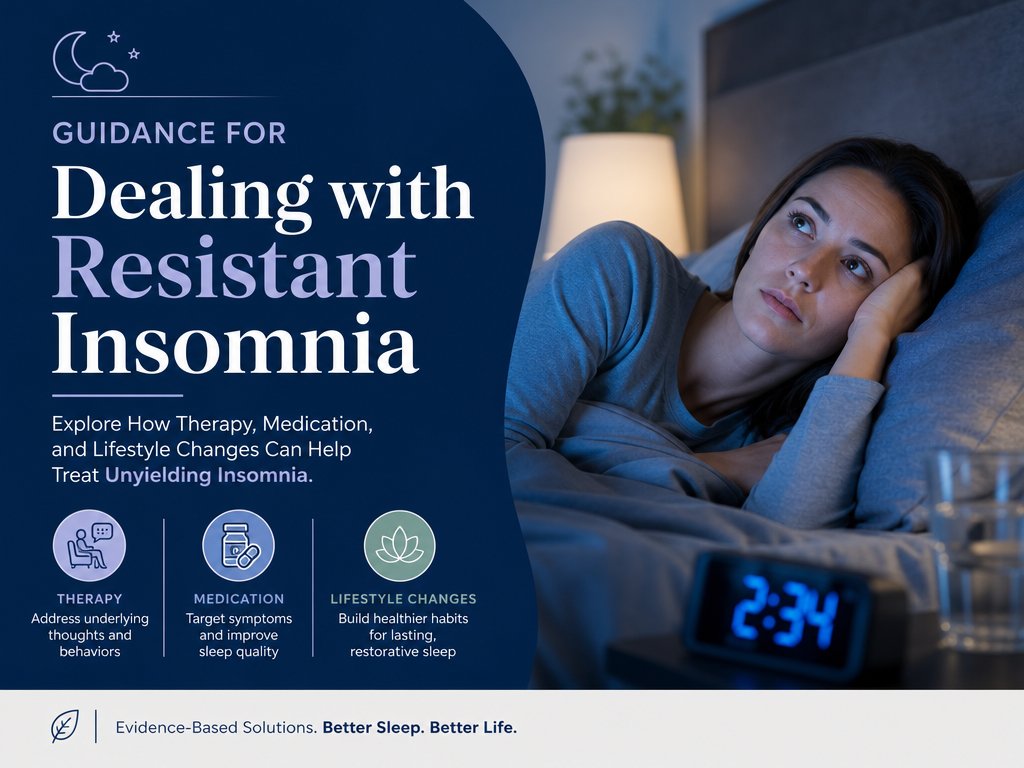
Understanding Treatment-Resistant Insomnia
Treatment-resistant insomnia presents a significant challenge for individuals whose symptoms do not respond effectively to traditional therapies. This condition requires a comprehensive approach that includes medication adjustments, innovative therapies, and lifestyle interventions to achieve meaningful improvements in sleep quality and overall well-being. The complexity of treatment-resistant insomnia demands a tailored approach to meet the unique needs of each patient, emphasizing a combination of evidence-based medical treatments and lifestyle changes.
What Is Insomnia?
Insomnia is defined by difficulties in initiating or maintaining sleep, or in attaining restful and restorative sleep. It can adversely affect the duration and quality of sleep, leading to daytime fatigue, mood disturbances, and concentration problems. When standard treatments are unsuccessful, the condition is deemed treatment-resistant insomnia. While common in various age groups, its persistent nature can significantly disrupt daily functioning if left unaddressed.
Defining Treatment Resistance
The designation “treatment-resistant” refers to insomnia that shows minimal improvement with first-line sleep therapies. When typical treatments are ineffective, alternative medications and innovative therapeutic approaches are often explored to provide relief for those afflicted. Treatment resistance often requires a meticulous examination of patient history, potential coexisting conditions, and previous treatment responses to delineate an effective plan forward.
Medication Options
Several pharmaceutical options may be considered for those with treatment-resistant insomnia. While conventional sleep medications act on neurotransmitters that influence sleep-wake cycles, off-label treatments are also available and have gained support based on practical clinical evidence. These can include medications like certain antidepressants or anticonvulsants, which are not initially intended for insomnia but can have sleep-promoting effects. Additionally, atypical antipsychotics and certain melatonin receptor agonists have been explored for their potential to improve sleep architecture, although they may come with additional side effects that need to be managed carefully.
Exploring New Therapies
Recent advancements in insomnia management have led to the exploration of novel treatments. Studies suggest several new approaches show promise, ranging from the use of gabapentin, a medication traditionally prescribed for neuropathic pain, to electroacupuncture, which involves the stimulation of acupuncture points with electrical currents. Mindfulness therapy, emphasizing awareness and acceptance of present experiences, is also being actively researched for its efficacy in managing insomnia symptoms. Additionally, cognitive behavioral therapy for insomnia (CBT-I) is gaining recognition as an effective long-term treatment option, with a focus on changing sleep habits and misconceptions about sleep. Transcranial magnetic stimulation and light therapy are also being investigated for their roles in modulating circadian rhythms and improving sleep outcomes. These innovative therapies can serve as invaluable tools in the arsenal against stubborn insomnia symptoms.
Identifying Causes of Insomnia
The underlying causes of treatment-resistant insomnia are often complex and multifactorial. This condition can involve a mix of lifestyle factors, psychological influences, and coexisting medical issues. Accurate evaluation of personal habits and health conditions can provide critical insights into potential interventions and improvements in sleep quality. Identifying specific contributors is crucial in tailoring interventions that address the root problems rather than just superficial symptoms.
Lifestyle Considerations
Enhancing sleep hygiene is crucial in addressing insomnia. Adopting consistent sleep schedules, managing stress effectively, and minimizing electronic screen exposure before bedtime are foundational strategies. Exercise, when done earlier in the day, can also promote better sleep, while consuming caffeine or alcohol should be limited, particularly in the evening. Discussing substance use with a healthcare provider can further clarify its impact on sleep patterns. Techniques such as relaxation exercises, including progressive muscle relaxation and guided imagery, can also be beneficial for those struggling with sleep initiation. Adjusting the bedroom environment to support a serene and unwinding atmosphere can further aid in sleep quality improvement. Employing aromatherapy or sound machines to enhance the sleeping environment might offer additional support in inducing relaxation and facilitating better sleep patterns.
Genetic and Condition-Specific Factors
Certain genetic predispositions can heighten the risk of developing insomnia. Mental health issues, such as anxiety or depression, frequently exacerbate sleep disturbances, creating a cycle of insomnia that can be difficult to break. Addressing these underlying conditions through appropriate medical or psychological interventions can help alleviate insomnia symptoms. Research also indicates that chronic conditions like sleep apnea, restless legs syndrome, or chronic pain can contribute to treatment resistance, necessitating thorough diagnostic assessments to tailor therapies accordingly. Understanding these intricate relationships empowers healthcare providers to develop more effective treatment strategies that address both insomnia and its underlying causes. Personalized treatment plans that consider genetic factors and specific coexisting conditions can open avenues for more precise and potentially more successful interventions.
The Role of Support Networks
Cultivating a robust support network can have a positive impact on managing treatment-resistant insomnia. Engaging with supportive communities—whether online forums or local groups—can offer emotional solace and practical advice. Building and maintaining social connections helps reduce the sense of isolation often associated with chronic insomnia, providing a shared space where experiences and coping strategies can be discussed openly. Family and friends can also play a vital role in encouraging healthy sleep practices and reinforcing treatment adherence. Recognizing the importance of emotional well-being, many support networks also provide resources to assist in managing psychological stressors that may impede sleep.
Future Directions in Treatment
The ongoing research into the mechanisms and treatment of treatment-resistant insomnia underscores the importance of continued dialogue with healthcare providers. As our understanding of insomnia deepens, collaborating with sleep medicine specialists can lead to more personalized and effective treatment regimens. This collaborative approach might involve tailoring interventions based on individual circadian rhythms, exploring novel pharmacological options, or participating in clinical trials. Bioinformatics and personalized medicine are increasingly contributing to these advancements, paving the way for custom treatments that align with genetic and lifestyle factors. Initiatives in artificial intelligence and data analytics are also being applied to improve patient care by offering insights into patterns and outcomes, leading to innovative approaches in managing treatment-resistant insomnia.
Living with treatment-resistant insomnia can be taxing, yet a concerted combination of medical expertise and proactive personal efforts holds the promise of improved sleep outcomes. It is vital to engage with healthcare professionals to explore all available strategies and to stay updated on new developments in insomnia treatment. This proactive approach, along with a commitment to lifestyle changes and supportive networks, offers the potential for enhanced quality of life and better sleep. Staying informed and adaptable in response to new research is critical for those seeking relief from this challenging condition. Embracing emerging technologies and scientific discoveries can offer promising avenues for transforming insomnia care, providing hope to those grappling with this persistent sleep disorder.