Introduction to Ocular Migraines
Migraine is a complex neurological disorder known for causing severe headaches, often accompanied by various other symptoms. Approximately 12% of people globally suffer from migraines, and about 30% of these individuals experience migraines with aura, which include additional sensory, motor, or speech symptoms that typically occur before or during the headache phase.
Visual Symptoms and Aura
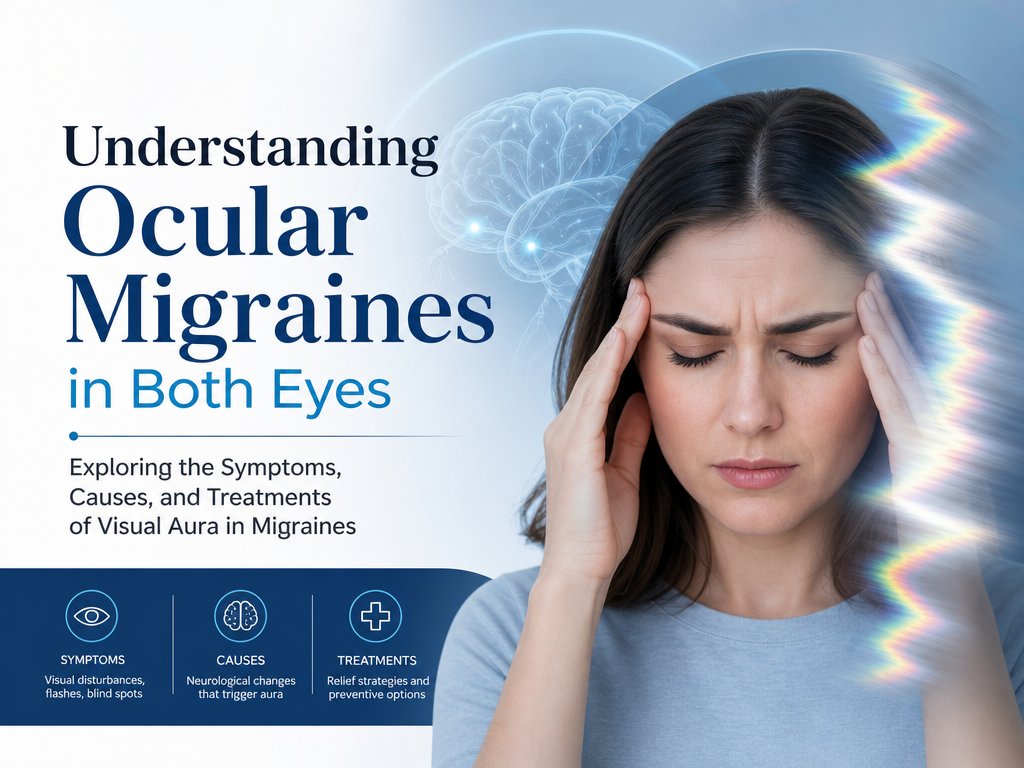
Previously referred to as “ocular migraine,” medical professionals now commonly use the term “migraine with visual aura” for migraines affecting both eyes. This condition is characterized by visual disturbances such as seeing flashes of light, zigzag patterns, or blind spots. In fact, nearly all individuals suffering from migraine-related auras experience these types of visual symptoms, making them a defining characteristic of this particular kind of migraine.
Causes and Mechanisms
The exact cause of aura in migraines is not fully understood, but researchers propose that it might be the result of a phenomenon known as cortical spreading depression—a wave of altered electrical activity that temporarily moves across the cortex of the brain. Although this process can seem alarming, it doesn’t cause permanent damage to brain tissues and tends to resolve following the cessation of the aura phase.
Impact and Long-term Outlook
Migraines, especially those accompanied by aura, can disrupt daily life significantly, affecting both personal and professional activities. Although they are not life-threatening or brain-damaging in the long term, experiencing frequent migraines (more than 5 days a month) should prompt a visit to a healthcare provider. Having a migraine with aura carries a slightly increased, but still very minuscule, risk of experiencing severe complications such as seizures, heart attacks, or even strokes.
Managing Symptoms
Managing and reducing the frequency and severity of migraines involves recognizing one’s triggers and adapting lifestyle changes accordingly. Common strategies to mitigate migraines include resting in dark and quiet environments, applying cold compresses to the head, and ensuring hydration. Medication can also play a crucial role and may include both preventive treatments and those aimed at symptomatic relief during acute migraine episodes.
Identifying Triggers
Identifying and understanding triggers is a crucial component of effective migraine management. This often involves the use of a migraine diary, where individuals record specific patterns related to various potential triggers such as diet, stress levels, environmental factors like weather changes, and hormonal fluctuations as in the case of menstruation. Migraines are notably more prevalent in women, likely due to hormonal changes that occur throughout the menstrual cycle, pregnancy, and menopause. Understanding these patterns can provide significant insight into potential preventive measures.
Understanding Retinal Migraines
Though similar in some respects, retinal migraines are distinct from migraines with visual aura. Retinal migraines specifically cause temporary vision loss or disturbances in just one eye, typically lasting a few minutes to an hour. While permanent vision impairment is rare, it is vital for individuals experiencing sudden vision loss of this nature to seek immediate medical attention to rule out other serious conditions. Differentiating between various types of migraines is important to determining the appropriate treatment and care.
Conclusion
Even though migraines with visual aura are not entirely preventable, they can be effectively managed with a personalized treatment plan. Such a plan usually involves a combination of behavioral modifications and pharmaceutical interventions that are tailored to the individual’s specific needs and identified triggers. Working closely with healthcare providers can help sufferers develop strategies for managing symptoms and improving quality of life, ensuring that migraines have as minimal an impact as possible on daily functioning. Regular follow-up with healthcare professionals can further refine these management strategies to better suit the evolving needs and conditions of the patient over time. Additionally, staying informed about new research and emerging treatments can offer hope and better management outcomes for those who live with this challenging condition.