What is a Disappearing Nail Bed?
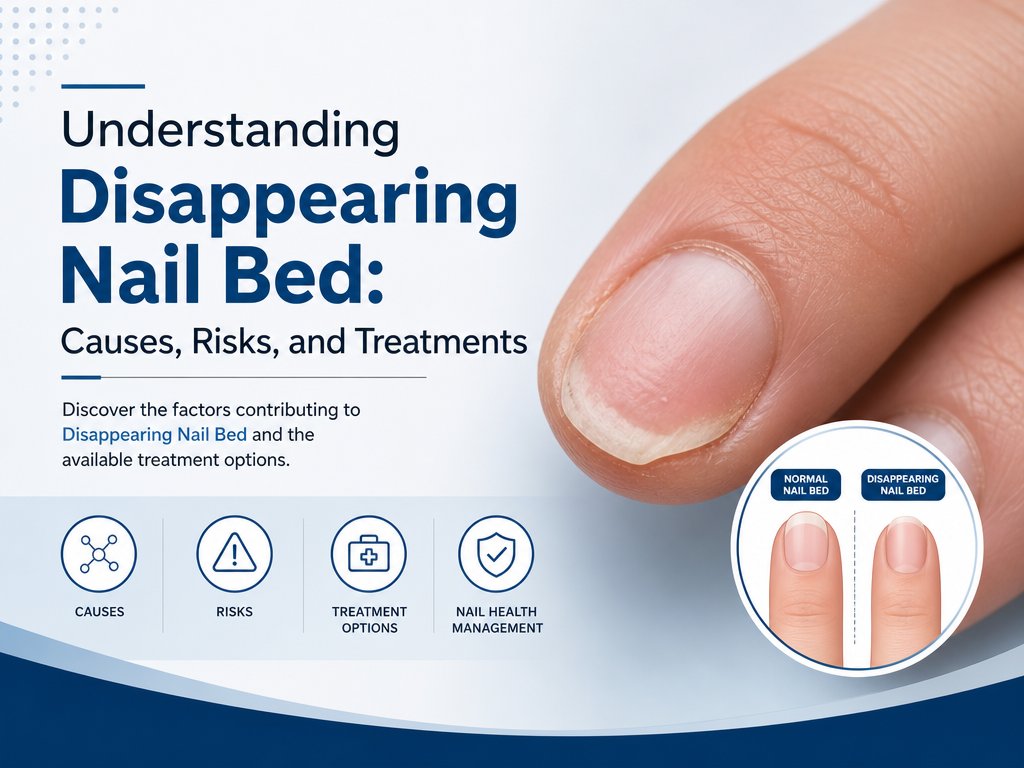
A disappearing nail bed (DNB) refers to the reduction or shortening of the skin beneath a nail, often changing the nails’ appearance. Various conditions, such as injuries, infections, or underlying health issues, can lead to this unique presentation. Understanding the anatomy and causes of disappearing nail beds can help in managing and preventing this condition. While it may seem like a purely cosmetic issue, it can significantly impact nail health and overall well-being.
Anatomy of the Nail Bed
The nail bed is an essential part of the finger, consisting of two main layers: the epidermis and the dermis. It is responsible for supporting the attachment and continued growth of the nail. When DNB occurs, this vital skin area becomes narrowed or shortened, potentially impacting nail health and growth. The nail plate may begin to lift away, forming gaps that alter the appearance and integrity of the nail. This lifting can expose the nail bed to external elements, increasing the risk of infections or damage.
Causes and Risk Factors of DNB
Disappearing nail beds can impact both the fingernails and toenails, with different contributing factors. Some potential causes include repeated trauma, certain skin conditions, and fungal infections. One of the primary signs associated with DNB is a condition called onycholysis, where the nail separates from its bed. Prolonged onycholysis is a significant risk factor for developing DNB. Understanding these factors can help in developing prevention and treatment strategies. Also, identifying and avoiding known risk factors, when possible, can aid in reducing the incidence of DNB.
Fingernail vs. Toenail DNB
– **Fingernail DNB:** Often stems from specific conditions such as psoriasis, trauma, or systemic diseases affecting nail health. These conditions might produce irregularities, such as pitting or discoloration, that serve as early warning signs.
– **Toenail DNB:** Can be associated with different factors, such as tight-fitting shoes or fungal infections, which are more common in toenails due to their exposure to damp environments and prolonged contact with moisture. Problems like athletes’ foot can exacerbate these issues, leading to further complications.
DNB in both cases may result in nails entirely detaching over time, increasing vulnerability to infections and new injury. Recognizing the signs early and understanding the different causes for fingernails and toenails can help guide treatment options more effectively. Early intervention is critical to prevent permanent nail bed damage and preserve nail health.
Complications and Symptoms
Long-term onycholysis can lead to complications, including permanent damage to the nail bed, where new nail growth might struggle to adhere properly. Symptoms to watch for include pain, noticeable gaps between the nail and its bed, discoloration, and changes in nail shape. It is imperative to seek medical attention for unexplained changes in your nails, as timely intervention can prevent further complications, such as bacterial or fungal infections. Ignoring these signs can lead to chronic issues and compromise nail integrity.
Diagnosis and Exam
A thorough diagnosis involves conducting a detailed physical exam, where a healthcare professional will examine your symptoms closely. If necessary, a nail bed biopsy may be performed to rule out other conditions like psoriasis, bacterial infections, or tumors affecting nail health. Diagnostic tests can identify the specific cause of the DNB so that a precise treatment plan can be formulated. In addition to nail bed biopsies, advanced imaging techniques or laboratory tests might also be used to explore deeper concerns effectively. Diagnostic precision is key for successful treatment, guiding medical decisions appropriately.
Treatment Options for DNB
The treatment of DNB largely depends on the underlying cause. Some key treatments include antifungal medications if a fungal infection is present, and specific medications tailored to treat other underlying conditions, such as topical steroids for psoriasis. In severe cases where conservative treatments fail, surgery might be necessary to restore the nail bed and prevent further damage. With effective treatment, a new nail might grow back, though it may take several months for the nail to fully regrow. Patience is key as the nail grows back and returns to its regular appearance. Additionally, lifestyle modifications and targeted therapies can potentially aid in enhancing recovery outcomes, contributing to a more comprehensive approach toward healing. Engaging with healthcare professionals ensures a supportive recovery environment.
Preventive Measures
Preventing DNB involves adopting habits that minimize the risk of trauma to the nails and maintaining good overall nail care. Proper nail maintenance includes avoiding aggressive nail treatments, such as overly frequent manicures and pedicures, and safely trimming nails to prevent injury. Following recommended hygiene practices can help minimize risks, such as keeping nails clean and dry, wearing protective gear when necessary, and choosing well-fitting shoes to reduce stress on toenails. Creating a personalized nail care routine can further enhance prevention, ensuring nails remain strong and resilient against potential threats. Prioritizing nail health helps safeguard against future problems.
Conclusion
Maintaining healthy nail care practices is essential for preventing DNB and addressing its causes. Regularly inspect nails for changes and wear protective gloves if needed during activities that may cause injury. If you experience any unusual nail irregularities, consult a healthcare professional promptly to address them effectively and minimize the risk of lasting damage or nail loss. Through understanding, prevention, and proper treatment, individuals can enhance nail health and prevent complications associated with disappearing nail beds. With ongoing research and awareness, more effective strategies and solutions continue to emerge, offering hope and clarity for those affected by this condition, enabling them to enjoy healthier, more robust nails. Staying informed and proactive about nail care contributes to overall hand and foot health, helping prevent potential disruptions to daily life tasks.