Summer Sleep Challenges
Long summer days often present difficulties in achieving quality sleep. The allure of warm weather and vacation plans can conflict with the body’s need for rest. High temperatures and extended daylight hours exacerbate sleep disruptions, fostering feelings of restlessness. Furthermore, the bustling sound of outdoor activities and neighborhood noises can contribute to interruptions in your sleep cycle. This environmental noise can impact even those who typically enjoy deep, sound sleep during quieter times of the year.
The Science Behind Sleep Disruption
According to numerous studies, seasonal changes significantly affect our sleep patterns. Longer daylight and increased exposure to light in the evenings disrupt the sleep-wake cycle, leading to more fragmented sleep. Light serves as the primary cue for our circadian rhythm, which governs our sleep schedule, meaning more daylight exposure can keep us awake longer. Consequently, it becomes increasingly difficult to wind down in the evenings, often pushing bedtimes later than during other seasons.
Dr. Kat Lederle, a renowned sleep expert, explains that our internal body clock uses light signals to differentiate between day and night. Consequently, melatonin, the hormone responsible for sleep, is secreted for a shorter duration during summer months. This results in waking up earlier and obtaining less sleep overall. Our bodies struggle to find the necessary balance between the excitement of longer days and the restorative power of nighttime rest. This imbalance can contribute to feelings of fatigue that persist throughout the day, impacting daily activities and overall well-being.
Impact of Lifestyle
Hypnotherapist Dipti Tait highlights that typical summer activities—such as late social gatherings and increased alcohol consumption—further impair sleep. While alcohol may initially help you fall asleep, it disrupts sleep patterns later in the night. Additionally, the festive atmosphere of summer often leads to consuming larger meals, which can result in discomfort and hinder sleep quality.
While our bustling social calendars help us enjoy summer days, they also deprive us of essential sleep. Moreover, hot temperatures during summer push the body out of its relaxed state, increasing disturbances at night, notes Tait. This is especially challenging for individuals without air conditioning, as the body struggles to cool down in overheated environments. Homes with inadequate insulation can worsen this discomfort, as heat builds up throughout the day.
Strategies for Better Sleep
Here are several tips to help you achieve better sleep despite summertime challenges:
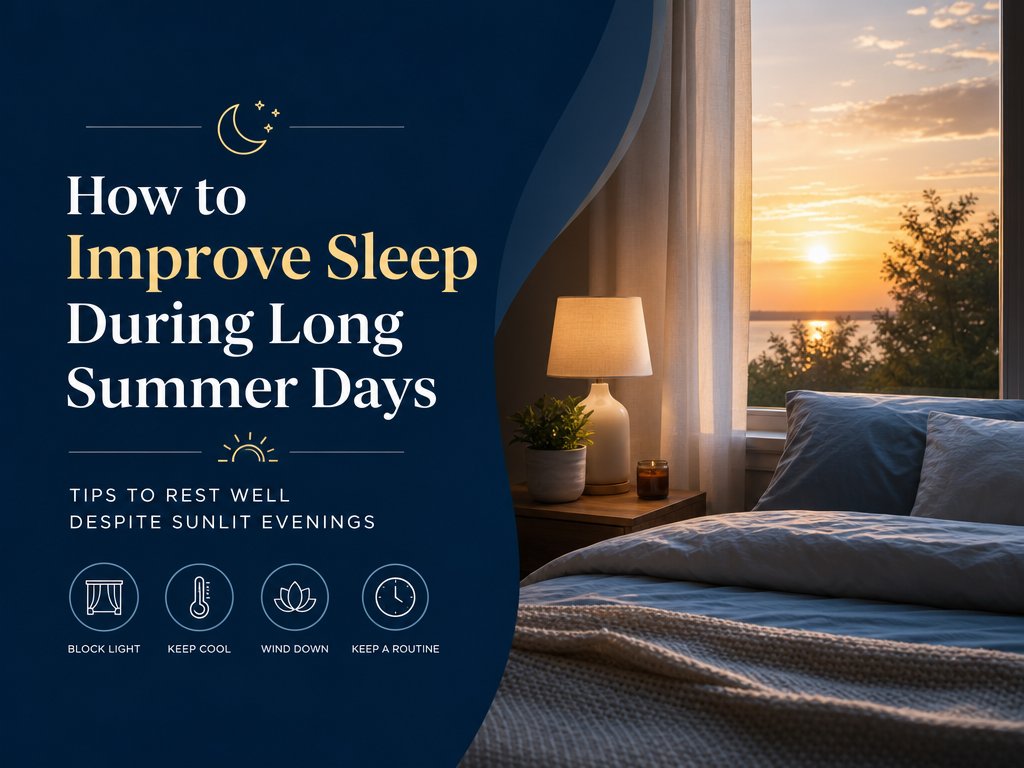
– Maintain a consistent routine for sleep and wake times while allowing for occasional late nights. Consistency helps regulate your body’s clock.
– Reduce evening light exposure to prepare your body for rest, especially by minimizing screen time at least one hour before bed.
– Ensure proper room ventilation to improve air circulation and boost overall sleep quality. Opening windows or using fans can help.
– Engage in relaxation techniques like gentle stretching or yoga to calm yourself before hitting the sack. Incorporate activities such as meditation or deep-breathing exercises to help transition into sleep.
– Consider using earplugs or white noise machines if noise is a persistent issue disrupting your sleep.
Adapt to Temperature
Wear lightweight pajamas and use thin linens to keep cool. Ensuring your environment is at a comfortable temperature reduces sleep disturbances caused by heat. Blackout curtains can also assist by preventing early morning light from waking you prematurely.
Lederle advises selecting lightweight materials for bedding and suggests cooling techniques, such as placing pajamas in the freezer for a short period before wearing them. Additionally, sleeping with a fan or white noise machine can drown out summer sounds that might otherwise disrupt your sleep. Remember to hydrate well; dehydration can worsen feelings of heat, making it more difficult to achieve a restful night’s sleep.
Create a Sleep-conducive Environment
Tait emphasizes the value of activities that cue rest, such as taking a warm bath or jotting down grateful thoughts in a journal. Identifying a nighttime ritual that suits you personally can enhance sleep quality. Aromatherapy, using essential oils like lavender, can be employed to foster a calming atmosphere, conducive to rest and relaxation.
For individuals struggling significantly, sleep hypnosis could be an option. It helps train the mind to disengage at bedtime, promoting restorative sleep. Consistent practice of these techniques may also assist in reinforcing a habitual sleep routine over time. Another method to consider is sleep tracking, which can provide insights into personal sleep patterns and help in identifying specific adjustments necessary to improve sleep quality.
Conclusion
Addressing disrupted sleep due to summer’s long days involves experimenting with various strategies to identify which best alleviate personal sleep challenges. Each person’s adjustment will differ based on their unique lifestyle and environment. With persistence and small habit changes, obtaining rest amid the summer swirl is entirely achievable. Remember to stay patient as you try different approaches, understanding that the process is unique to each individual, and achieving the desired results might take time. Being mindful of technological advancements, such as smart thermostats or sleep monitoring devices, could also aid in optimizing sleep environments and better understanding individual needs. Keep in mind the importance of being adaptable and open to change, as these strategies might require further fine-tuning to effectively improve summer sleep patterns.