The Challenge of Quitting Smoking
Quitting smoking is notoriously difficult due to the addictive nature of nicotine, which creates both a physical and psychological dependence. With numerous products and methods available to assist in this endeavor, it can be overwhelming to find the right approach that fits an individual’s specific needs and lifestyle. Many people attempt to quit multiple times, often requiring several tries before finding a method that effectively facilitates smoking cessation. The journey to become smoke-free often necessitates a powerful combination of the right tools, motivation, and supportive systems to overcome the addiction successfully.
Nicotine Replacement Therapy
Studies show that nicotine replacement therapies (NRT) can enhance the chances of successfully quitting smoking by 50 to 70 percent. These therapies come in several forms, such as patches, gum, lozenges, and inhalers. Each option offers various modes of administration, catering to different preferences and lifestyle requirements. For instance, nicotine gum can be chewed discreetly and is convenient for those on the go, while patches offer a steady nicotine release throughout the day. On the other hand, lozenges provide a more gradual release of nicotine, fitting ideally for individuals who prefer a slower intake. The nicotine inhaler stands out as a particularly promising option because it addresses both the physical and behavioral components of smoking addiction. By allowing users to mimic the hand-to-mouth action associated with smoking, the inhaler may help reduce withdrawal symptoms and cravings, providing a sense of comfort and consistency.
Understanding the Nicotine Inhaler
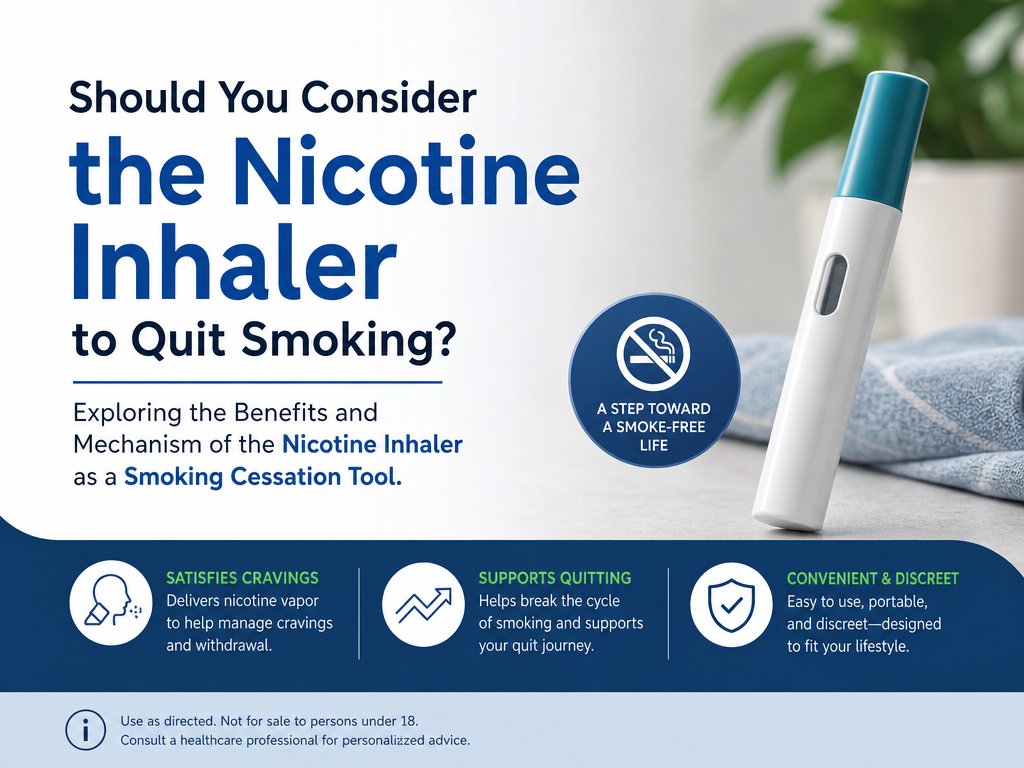
The nicotine inhaler, commonly marketed under the brand name Nicotrol, replicates the physical act of smoking but with significantly reduced health risks. This device is designed to address the habitual gestures, such as hand-to-mouth motions, that many smokers find challenging to replace during the cessation process. By providing a tactile and behavioral substitute for traditional cigarettes, the inhaler can be especially helpful for those who draw comfort from their smoking routines. Such familiar actions can play a crucial role in minimizing the anxiety and withdrawal symptoms often experienced when quitting smoking.
Using the Nicotine Inhaler
Each nicotine inhaler kit typically includes a cigarettelike holder and several nicotine cartridges that are straightforward to replace. When puffed, the inhaler delivers a controlled dose of nicotine, satisfying cravings in a manner that closely mimics the act of smoking. However, unlike traditional cigarettes, the inhaler avoids introducing harmful and toxic substances like tar, carbon monoxide, and numerous other carcinogenic compounds into the body. This crucial distinction underscores the health benefits of using the nicotine inhaler as opposed to continuing cigarette smoking. Many users report a gradual decrease in cigarette consumption while using the inhaler, often leading to complete cessation over time, highlighting its effectiveness as a smoking cessation tool.
Nicotine Inhaler vs. Vaping
A significant difference between using a nicotine inhaler and vaping lies in regulatory approval and safety factors. The nicotine inhaler is FDA-approved for smoking cessation, indicating that it has met stringent safety and efficacy standards set by governmental health authorities. In contrast, vaping products do not have the same level of regulatory oversight and are not currently FDA-approved for smoking cessation purposes. Additionally, with a nicotine inhaler, the nicotine is not inhaled into the lungs, significantly reducing potential health risks. Vaping, on the other hand, entails the inhalation of vapors directly into the respiratory system, which raises concerns about the long-term effects on respiratory health. Thus, for those worried about these potential issues, the nicotine inhaler presents a safer alternative, particularly in the context of smoking cessation.
Cost and Accessibility
Although obtaining a nicotine inhaler requires a prescription, this procedure ensures medical supervision, thus providing tailored quitting plans that accommodate individual preferences and health conditions. Medical professionals can offer comprehensive advice and make necessary adjustments to the cessation plan, greatly enhancing the probability of success. The typical cost of a Nicotrol kit is approximately $420 for 168 cartridges. However, many insurance plans may cover part of the expense, thus improving its affordability for some users. When compared to the variable and often rising costs of smoking or maintaining a vaping habit, which can fluctuate widely depending on brand choices and usage frequency, investing in a medically approved cessation device like a nicotine inhaler may prove more economical in the long run, considering both financial outlays and potential healthcare savings.
Health and Safety Considerations
While using the nicotine inhaler, individuals may encounter minor side effects, such as mouth and throat irritation. These symptoms are generally mild and tend to subside as the body gradually adjusts to the new form of nicotine intake. Importantly, users are advised against smoking or using other nicotine products concurrently to avoid the risk of nicotine overdose. Such an overdose can lead to serious health complications, including an elevated heart rate and increased blood pressure. Regular consultations with a healthcare provider can effectively monitor the cessation progress and manage any adverse effects, thereby ensuring a safer transition away from tobacco smoking.
Making the Right Choice
Considering all available options, the nicotine inhaler could be an ideal choice for smokers who have struggled to quit using other methods. Its innovative design mimics the physical and psychological sensations of smoking, which can be particularly beneficial for individuals who miss these aspects during past quit attempts. Collaborating with healthcare providers to develop a personalized cessation plan that addresses specific needs and challenges is essential. Such a tailored approach substantially increases the odds of quitting smoking successfully, eventually leading to enduring lifestyle changes toward better health. Access to consistent, personalized support from both healthcare professionals and support networks is crucial in assisting individuals to overcome addiction permanently.
Conclusion
Quitting smoking is a unique journey, and it varies significantly among individuals. Yet, through active engagement and seeking professional support, the likelihood of success increases significantly. The nicotine inhaler offers a well-structured, medically-supervised path that effectively tackles smoking addiction. It facilitates a gradual reduction in nicotine dependency while preserving vital aspects of the ritualistic smoking experience, enabling a balanced approach to cessation. This method not only helps break the cycle of addiction but also fosters the development of healthier coping mechanisms. Ultimately, it allows individuals dedicated to quitting smoking permanently to achieve better long-term health outcomes, leading to an enhanced quality of life journey through commitment, motivation, and the right cessation tools.