Psoriasis: Understanding an Autoimmune Skin Condition
Psoriasis is a chronic inflammatory autoimmune disorder characterized by raised skin plaques, redness, and swelling. This condition is often recognized as a skin disorder, but its implications extend far beyond the skin’s surface, influencing overall health and predisposing affected individuals to an array of serious health conditions. These can include heart disease, inflammatory bowel disease, and psoriatic arthritis. The connection between psoriasis and these other conditions aligns with a growing body of research that highlights the interconnectedness of immune-related conditions, suggesting a complex network of biological processes at play.
Gender Prevalence and Contradictory Findings
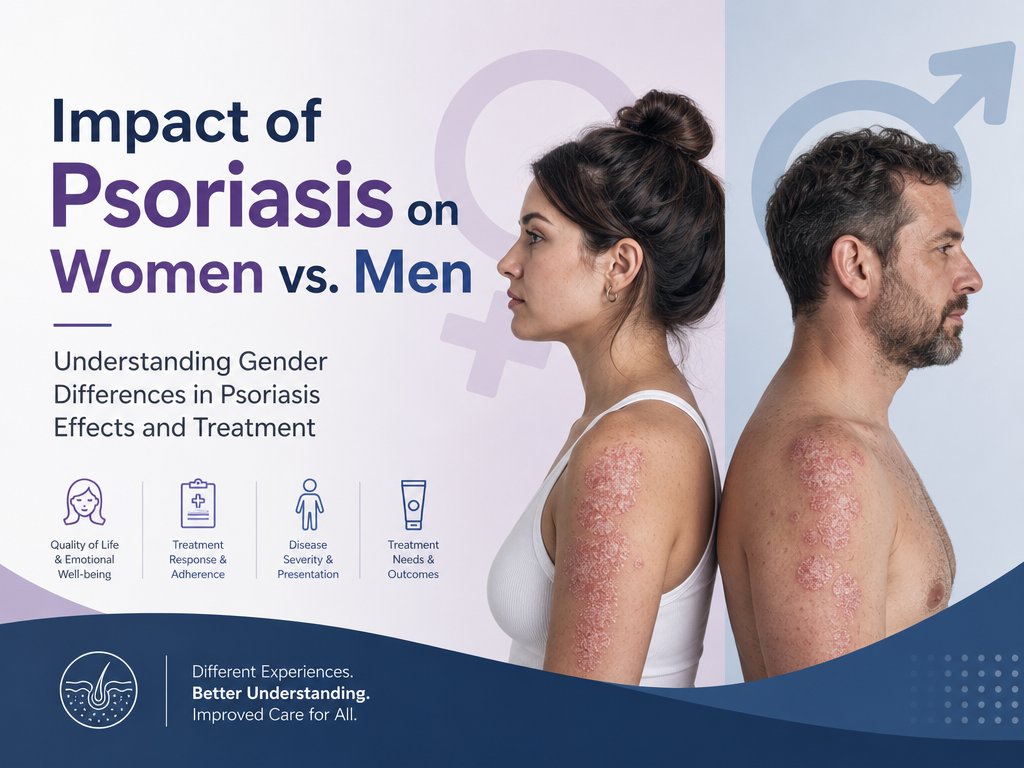
Approximately 3% of U.S. adults are affected by psoriasis, with a lack of clear consensus on whether it is more prevalent in women or men. Some research suggests a higher occurrence in males, while others indicate females have a higher prevalence. Regardless of which gender is more affected by prevalence, psoriasis manifests differently in women compared to men, impacting both their physical and mental well-being. Understanding these gender disparities is crucial for tailoring effective treatment strategies. Gender-specific studies could unlock new avenues to improve the management of this condition effectively, considering the unique physiological and hormonal profiles of each gender.
The Emotional and Mental Impact on Women
Studies underscore that psoriasis significantly affects women’s quality of life and mental health more than it does men. Women with the condition are reported to experience higher levels of depression than their male counterparts. This increased vulnerability is attributed to various factors, including societal stigma, greater treatment expectations, and a heavier disease burden. Additionally, the visible nature of psoriasis plaques can lead to self-esteem issues and social anxiety, compounding the emotional toll on women. Developing robust support systems and therapeutic interventions is key to addressing these challenges.
Treatment Responses and Medication Concerns
Research shows that women might experience more side effects from certain psoriasis treatments than men. For instance, women are reportedly more prone to infections when treated with biologic medications, which inhibit specific immune system components responsible for psoriasis symptoms. Furthermore, systemic treatments carry slightly higher adverse effects for women. These differences highlight the importance of individualized treatment plans that address gender-specific responses and minimize unwanted effects.
Pregnancy presents additional challenges when considering psoriasis treatment. Medications such as methotrexate and retinoids are known to pose significant risks during pregnancy, necessitating cautious use or alternatives. Ongoing research aims to offer safer treatment options for pregnant or breastfeeding individuals. Healthcare providers must carefully assess the benefits versus risks when considering treatment plans for women planning a family, taking into account the intricate balance between effective therapy and safety. This careful consideration becomes essential for optimizing maternal and fetal health outcomes.
Cardiometabolic Risks and Gender Differences
Women with psoriasis have shown a higher likelihood of metabolic issues, including increased waist circumference, obesity, and elevated triglycerides, compared to women without the condition. In contrast, men with psoriasis don’t exhibit the same heightened cardiometabolic risks. These findings suggest a potential interplay between estrogen levels and metabolic health, necessitating further research. Gaining insights into these differences may lead to more effective management of cardiometabolic risks in women with psoriasis, allowing for gender-tailored preventive measures.
Hormonal Influences on Psoriasis Severity
Hormonal fluctuations, especially during pregnancy and the menstrual cycle, appear to significantly influence psoriasis symptoms. Elevated levels of estrogen and cortisol during pregnancy often improve symptoms for many women, although postpartum flares are a common occurrence. Similarly, symptom variations throughout the menstrual cycle have been observed by many. These observations point to a significant hormonal influence, offering potential avenues for therapeutic intervention, such as hormone-based treatments or adjunct therapies to mitigate symptom severity.
Effects on Reproductive Health
Psoriasis may impact female fertility, with women experiencing systemic inflammatory environments seeing reduced fertility rates. Nevertheless, certain treatments like biologics have shown improvements in both male and female fertility. Furthermore, lifestyle adjustments, including increased physical activity and dietary changes, offer holistic approaches to managing overall health. These measures can support reproductive health and well-being, providing a multi-faceted approach to managing psoriasis and its broader effects.
Conclusion
While both sexes suffer from psoriasis, its impact is often more profound on women, affecting various aspects of their health. Understanding the sex-specific effects of psoriasis can guide more personalized and effective treatment strategies, allowing individuals to better advocate for their health needs. Protecting self-esteem and mental well-being is crucial in a comprehensive treatment approach. Moreover, further investigation into these gender differences is vital to enhancing the quality of care and life for those affected by this complex condition. Through continued research and medical innovation, the gaps in understanding may be bridged, leading to improved patient outcomes and comprehensive management of psoriasis. Additionally, educational initiatives can empower patients with greater awareness and understanding, fostering improved adherence to treatment protocols and better long-term health outcomes.