Introduction to Cheese Safety During Pregnancy
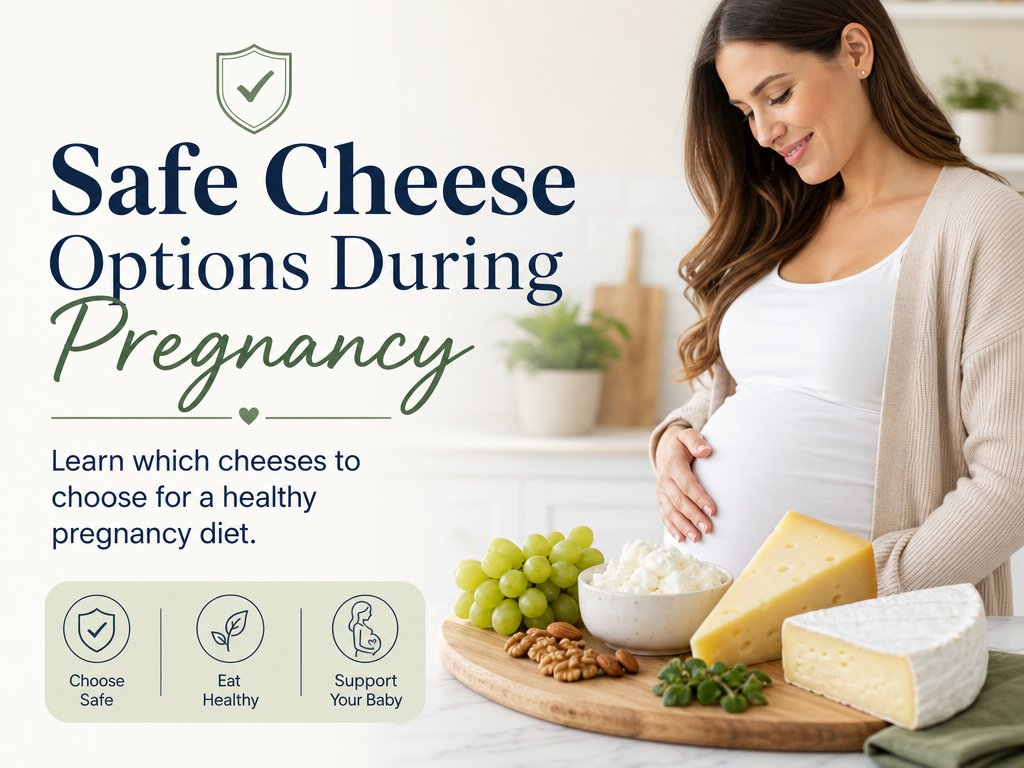
Pregnancy often brings with it a host of dietary guidelines to protect both the mother and the developing baby. One area of concern is cheese consumption, as pregnant individuals are particularly susceptible to infections like listeriosis, caused by Listeria bacteria. This infection can lead to severe health issues for both mother and child, including the risk of miscarriage or premature birth. During pregnancy, the body’s immune system is naturally suppressed to prevent the body from rejecting the baby, which unfortunately increases susceptibility to foodborne illnesses such as listeriosis. Therefore, it’s crucial to understand the guidelines surrounding cheese safety to ensure the health of both the expectant mother and the developing infant.
Why Certain Cheeses Are Risky
Many cheeses may be a healthy part of your diet, but those made from unpasteurized milk can pose significant risks. Pasteurization involves heating milk to eradicate harmful bacteria, making pasteurized cheeses generally safer for consumption, especially for pregnant individuals. However, unpasteurized soft, bacteria-ripened, or blue-veined cheeses can harbor harmful bacteria like E. coli or Listeria, which can lead to serious illness. These bacteria can survive and multiply in certain types of cheese, especially those with higher moisture content, providing an environment conducive to their growth. Such cheeses often include varieties like Brie, Camembert, and Gorgonzola. It’s crucial to be informed and choose your cheeses wisely if you’re expecting to avoid these potential health risks.
Safe Cheeses to Consume
Thankfully, most cheeses found in U.S. grocery stores are pasteurized and safe for pregnancy, including softer varieties traditionally deemed unsafe if unpasteurized. When choosing cheese, always check labels for the word “pasteurized.” Safe cheese varieties are typically found in the dairy aisle as prepackaged blocks or bags rather than from a wheel, which might risk contamination. Additionally, hard cheeses, even those made from unpasteurized milk, are often considered safer because of their lower moisture content, which inhibits bacterial growth. Varieties like cheddar, Parmesan, and Swiss, which are hard and aged, typically have a lower risk for containing harmful bacteria. Furthermore, processed cheese products, including spreads and slices, are generally safe options due to the high temperatures used in processing.
Bypassing the Risk
States have laws against selling raw milk products across borders, with exceptions for cheeses aged over 60 days. Even so, these cheeses may still pose risks for pregnant individuals, primarily due to possible contamination post-aging process. It’s important to verify the pasteurization status and opt for safer alternatives to mitigate potential health threats. If you’re dining out or purchasing cheese from a specialty shop, don’t hesitate to ask about the cheese’s pasteurization status. Always consult with your healthcare provider for the most relevant advice tailored to your personal health needs. Being proactive in your choices helps safeguard your health and that of your unborn child, allowing you to confidently enjoy your meals without unnecessary worries.
What to Do After Consuming Unsafe Cheese
If you accidentally consume unpasteurized cheese, it is essential to monitor your health closely. Symptoms of listeriosis may include flu-like symptoms such as fever, muscle aches, gastrointestinal distress, or other subtle signs of infection. Contact your healthcare provider promptly if you notice these symptoms, as early intervention with antibiotics can prevent severe outcomes. Additionally, your healthcare provider might recommend further monitoring or tests to ensure the safety of your pregnancy. Being vigilant and informed about what you’ve consumed can make a significant difference if issues arise, allowing for timely medical intervention that can protect both you and your baby.
Long-Term Planning for Cheese Lovers
For those who love unpasteurized cheeses, know that your dietary restrictions are temporary. Once your baby is born, you can return to enjoying these cheeses with far less concern, celebrating the joy of expanding your culinary experiences once more. For now, prioritize your baby’s health by diligently selecting pasteurized cheeses when grocery shopping. Consider exploring a wider range of safe options available in pasteurized forms to maintain variety in your diet while adhering to safety guidelines. Remember, the priority is the safety and well-being of both you and your baby during these crucial months. Your careful planning and adherence to guidelines help ensure a healthy pregnancy and allow you to introduce your baby to the world in the safest way possible.
Note: Always consult with a healthcare professional for personalized advice and adhere to current guidelines regarding food safety during pregnancy. Maintaining open communication with your healthcare provider ensures that you receive the most current and relevant information tailored to your unique health needs, providing peace of mind throughout your pregnancy journey. Never hesitate to reach out to experts when uncertain; being informed is key to a smooth and healthy pregnancy experience for both you and your future child.