Introduction to Multiple Myeloma
Multiple myeloma is a form of cancer affecting plasma cells in the bone marrow, leading to their abnormal growth and replication, resulting in the suppression of healthy blood cells. Patients often experience symptoms such as bone pain, fatigue, and unintended weight loss. This disruption to normal blood cell production can cause additional health complications, affecting multiple systems in the body. Consequently, early diagnosis and intervention are crucial to managing and alleviating these symptoms effectively.
Stem Cell Transplant as a Treatment Option
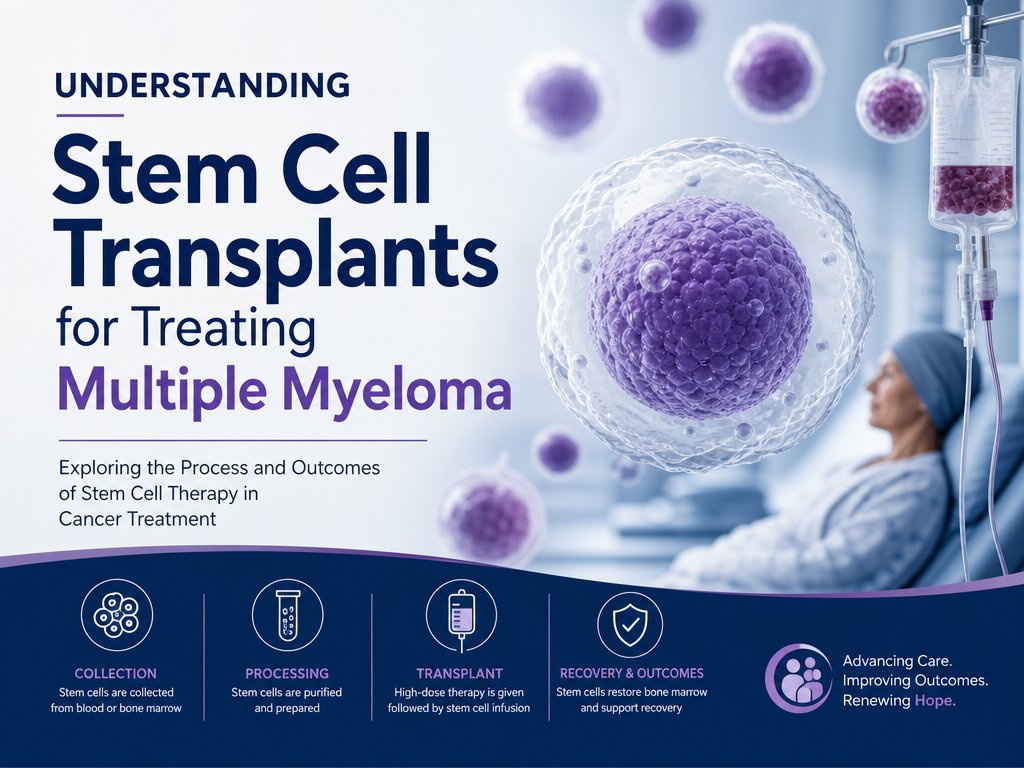
A major treatment strategy involves a stem cell transplant, which seeks to replace unhealthy cancerous cells with healthy stem cells. These vital stem cells can differentiate into various blood cell types, aiding in the recovery and regeneration of a healthy circulatory system. The process begins with high-dose chemotherapy to eliminate cancerous cells within the bone marrow, followed by the infusion of healthy stem cells, sourced either from the patient (autologous transplant) or a donor (allogeneic transplant). Although a successful transplant can put the cancer into remission, it is not a cure, as relapses can occur, necessitating vigilant monitoring and regular follow-up appointments to detect and treat potential recurrences promptly.
Effectiveness and Survival Rates
Survival rates for multiple myeloma, assessed through 5-year relative survival statistics, have improved significantly due to medical advancements in detection and treatment methodologies. Stem cell transplants are deemed a crucial component of early treatment plans, but are primarily recommended for patients who satisfy specific eligibility requirements. A comparative study revealed that patients receiving transplants post-2014 demonstrated a 68% survival rate versus a 29% rate for those treated before 1997, illustrating the considerable strides made in enhancing treatment outcomes. These advancements underscore the importance of ongoing research and innovations aimed at better understanding and combating this complex disease.
Understanding Recurrence and Eligibility
Even after effective initial treatment, relapses are common and can happen months or years later. Eligibility for a second transplant is assessed on a case-by-case basis, considering factors like overall health, age, and specific characteristics of the multiple myeloma. Younger patients are often better candidates for stem cell transplants due to typically better overall health, but comprehensive health evaluations are necessary to determine whether a patient can safely undergo this demanding procedure.
The Transplant Procedure
The transplant procedure commences following induction therapy, which targets substantial reduction in cancer cells. Depending on the circumstances, the procedure may use autologous or allogeneic stem cells to secure the best possible outcome for the patient. Stem cell collection is succeeded by a conditioning regimen with chemotherapy, occasionally complemented by radiation, designed to maximize the destruction of myeloma cells and establish a viable environment for new, healthy cell growth.
Post-Transplant Recovery
Following the transplant, patients usually enter a stage of maintenance therapy intended to sustain remission. Recovery is gradual, involving engraftment, during which the transplanted cells start producing healthy blood cells. This stage can last several months, necessitating possible hospitalization and continuous follow-up to monitor for infections and manage any side effects. Close medical supervision during recovery is vital to detect and address any complications promptly, catering to an effective recovery path.
Coping with Long-Term Effects
Patients must recognize the potential for both immediate and long-term side effects, which might arise even a year or longer after the procedure. The recovery stage is essential to mitigate infection risk and address other complications. Long-term consequences can influence many health dimensions, requiring collaborative care strategies with healthcare providers for effective management. Regular communication with medical teams helps in early identification and resolution of any chronic issues, playing a significant role in maintaining the quality of life post-treatment.
Role of Support Systems
Navigating the journey of recovery from multiple myeloma and a stem cell transplant can be physically and emotionally taxing. Therefore, a robust support system comprising family, friends, and healthcare professionals is vital to helping patients cope with the demands of treatment and recovery. Support groups and counseling services can provide further emotional relief and practical assistance, enabling patients to manage the psychological impact effectively. Additionally, caregivers are encouraged to participate actively in the process, attending medical appointments and maintaining open communication with healthcare teams to ensure that the patient receives comprehensive care.
Conclusion
While a stem cell transplant represents a powerful option for managing multiple myeloma, ongoing advancements in cancer treatments continue to offer optimism for more effective, innovative solutions. Each breakthrough enhances our comprehension of the disease, potentially ushering in new therapies and modalities that yield better outcomes. Patients are encouraged to engage in comprehensive discussions with healthcare professionals regarding available options, evaluating potential outcomes to make well-informed treatment choices tailored to their unique circumstances. This collaborative approach not only facilitates effective disease management but also promotes the best possible quality of life throughout and following the treatment journey. Staying informed about ongoing research developments can empower patients and their families, inspiring hope for future therapeutic breakthroughs and enhancing their ability to make proactive, strategic decisions that align with their long-term health goals.