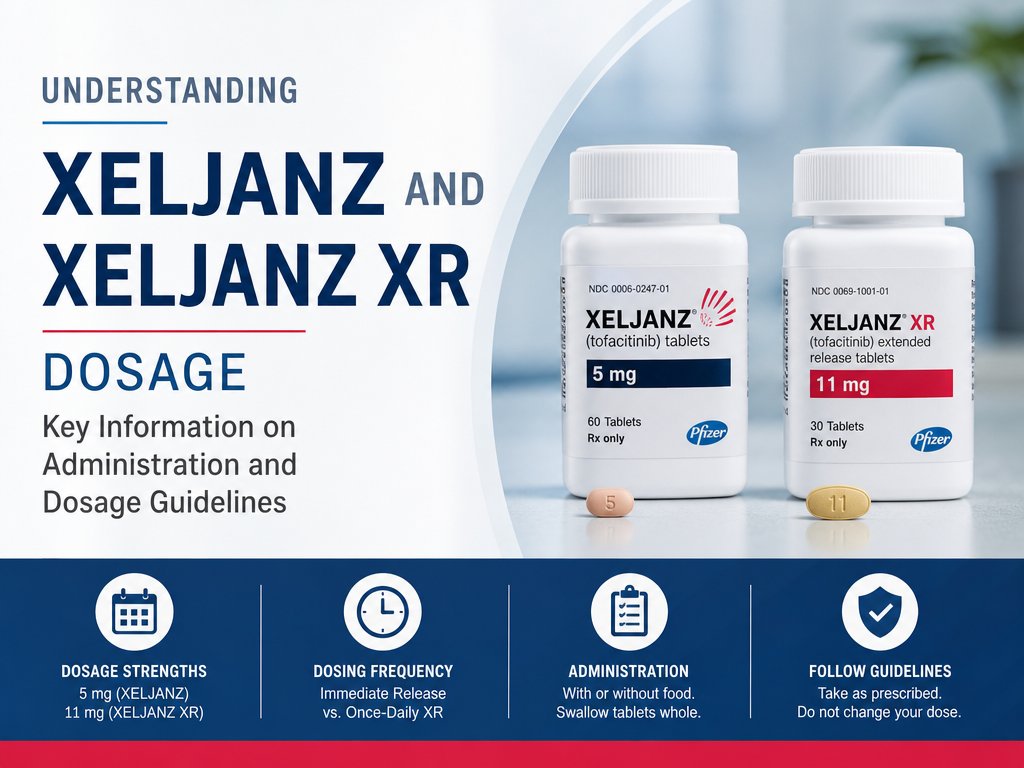
Introduction to Xeljanz and Xeljanz XR
Xeljanz and Xeljanz XR are medications prescribed for certain chronic conditions in adults, such as rheumatoid arthritis, psoriatic arthritis, and ulcerative colitis. These drugs are also prescribed for juvenile idiopathic arthritis in pediatric patients. Understanding the correct dosage and form of these medications is essential for effective treatment and safety. Xeljanz, as a versatile treatment option, offers hope to individuals suffering from these enduring health challenges.
The Role of Dosage and Treatment Plans
The dosage of Xeljanz or Xeljanz XR is determined by several factors, including medical history and individual treatment goals. In cases of rheumatoid arthritis, psoriatic arthritis, and ankylosing spondylitis, Xeljanz is often recommended after other treatments prove ineffective or result in adverse effects. The objective is indeed to manage symptoms effectively while minimizing potential side effects. Therefore, cooperation between patient and physician is crucial, and adherence to prescribed dosages ensures both efficacy and safety.
Understanding Dosage Forms and Strengths
Xeljanz is available in immediate-release tablets and liquid solution forms, while Xeljanz XR comes as a long-acting tablet. These tablets should be taken orally as directed by healthcare providers, who will establish dosages based on the patient’s specific condition and medical history. Proper adherence to prescribed dosages is necessary to achieve desired outcomes. The understanding of how these different forms work enables better personalized treatment plans, enhancing overall patient satisfaction and outcomes.
Pediatric Use and Considerations
In treating children with polyarticular course juvenile idiopathic arthritis, Xeljanz dosing is based meticulously on the child’s body weight. Adhering strictly to medical guidelines provided by healthcare professionals is critical to ensure safe use. Importantly, Xeljanz XR is not designated for pediatric usage. Careful assessment and weight-based dosing ensure safety and therapeutic efficacy for the young patients receiving this medication. Moreover, regular monitoring allows adjustments to treatment protocols, fostering both efficacy and alleviating parental concerns regarding their child’s treatment.
Long-term Treatment and Adjustments
Xeljanz and Xeljanz XR are typically instituted as long-term treatments, requiring adjustments for individuals with liver or kidney impairments or those on particular other medications. Adjustments are based on lab tests and clinical assessments, and close monitoring by healthcare providers is necessary to optimize treatment effectiveness and mitigate any adverse effects. Individualized treatment plans, refined over time, aid in tailoring care to each patient’s unique circumstances, supporting better long-term health outcomes and fostering a proactive approach to potential complications.
Risks and Precautions
A significant concern linked with Xeljanz and Xeljanz XR is the potential risk of blood clots. Dosage is carefully calibrated to minimize this risk. Should symptoms indicative of blood clots, such as swelling, pain, or discoloration in the limbs, present themselves, seeking immediate medical attention is imperative. Consistent patient education on recognizing early symptoms of blood clots is vital, as it enables rapid responsiveness, potentially averting serious health consequences. Through awareness programs and supportive healthcare, patients are better prepared to safeguard their well-being.
Guidance on Missed Doses and Overdose
If a dose is missed, it should be taken as promptly as possible unless it coincides closely with the time for the next scheduled dose. Under no circumstance should doses be doubled to compensate for missed ones. In situations of suspected overdose, immediate medical consultation is vital to address the situation appropriately. Educating patients about common pitfalls in medication adherence can significantly reduce the margin for error, enhancing compliance and ensuring the continued efficacy of treatment protocols.
Additional Information for Patients
Patients are advised to adhere to their doctor’s directives regarding Xeljanz or Xeljanz XR intake, which includes swallowing tablets whole and utilizing reminders for timely dosing. Adjustments to the treatment regimen may occur based on findings from regular monitoring lab tests to assess treatment efficacy and adjust care plans as necessary. Furthermore, open communication with healthcare providers about any concerns or changes in health status can contribute to improved treatment outcomes, fostering a supportive, collaborative environment in managing complex health conditions.
Potential Side Effects
Like all medications, Xeljanz and Xeljanz XR can have side effects. Common side effects might include headache, diarrhea, and elevated cholesterol levels. Less common effects could be more severe, involving liver function changes, infections, or immune system impacts. Patients should immediately report any unusual symptoms to their healthcare provider to ensure timely interventions if side effects occur. Encouraging proactive reporting of side effects and maintaining an accessible feedback loop with medical professionals allows for prompt revisions to treatment strategies, optimizing patient care and satisfaction.
Conclusion
This article offers a structured overview of the dosage considerations and administration of Xeljanz and Xeljanz XR. For tailored medical guidance, it is always advisable to consult healthcare professionals. Additionally, any unexpected health changes during treatment should be reported to a healthcare provider without delay to ensure safety and optimal therapeutic outcomes. Keeping abreast of new developments and treatment options through ongoing dialogues with healthcare practitioners enriches a patient’s understanding and involvement in their care, paving the way for better management of long-term conditions.