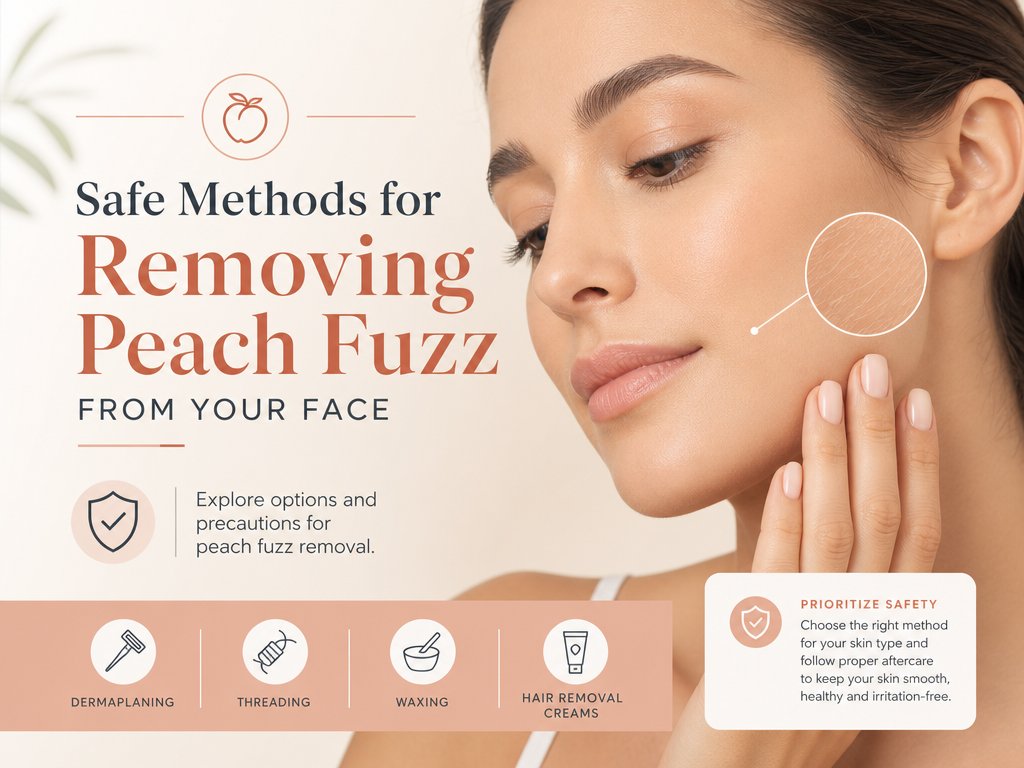
Understanding Peach Fuzz
Peach fuzz, also known as vellus hair, consists of short, soft, and light-colored facial hair that can often go unnoticed and is entirely natural and harmless. However, some individuals may choose to remove peach fuzz to achieve a smoother complexion and improve makeup application, citing reasons that revolve around personal aesthetic preferences or specific skincare goals. For some, removing these fine hairs enhances the sensation of smooth skin and is especially preferred for achieving a polished look when applying makeup.
Methods to Remove Peach Fuzz
1. Shaving
Shaving remains a popular and straightforward method for peach fuzz removal. It offers immediate results, making it appealing for those seeking quick solutions, although it might require daily or frequent attention depending on hair growth rate. The risks associated with shaving include cuts, razor burns, and potential ingrown hairs. Adopting a careful approach can generally avoid inflammation while using a clean, sharp razor and considering shaving cream or gel formulated for sensitive skin to minimize these risks. Regular maintenance, alongside proper technique, can help avoid common issues such as irritation and dryness, which may affect overall skin texture.
2. Electric Razors
Electric razors are specially designed to cater to facial contours, offering a safer and faster alternative compared to traditional shaving methods. They serve as a practical option for those looking for an uncomplicated and quick hair-removal technique without facing the risks of cuts or nicks. Persistence in cleaning the razor regularly is crucial to uphold hygiene and maintain its effectiveness. The major advantage of using an electric razor includes its low risk of causing skin irritation and its suitability for last-minute touch-ups.
3. Waxing and Sugaring
Waxing and sugaring are techniques that utilize heated pastes applied to the skin, which are then swiftly removed, pulling hair out from the roots. These methods generally provide more extended smoothness than shaving. To achieve optimal and safe results, especially for sensitive skin, professional treatments are often suggested. Waxing can deliver results lasting up to four to six weeks, whereas sugaring is considered gentler and perhaps less painful on the skin. It’s essential to consider the skin’s tolerance to these treatments and be aware of potential side effects such as temporary redness or irritation.
4. Depilatories
Chemical depilatories offer a painless method of hair removal by dissolving hair proteins. Selecting formulations made specifically for facial use is vital to prevent irritation or chemical burns. Conducting a patch test before full application can help identify allergic reactions or sensitivity issues, ensuring the product’s safety for individual skin types. Depilatories are an effective and swift option for at-home application, offering a balance of convenience and efficacy when employed appropriately.
5. Threading
Threading, an ancient technique, employs twisted cotton threads to pluck hair from the root. It can result in smooth skin lasting up to five weeks and is particularly effective for shaping specific facial areas, such as eyebrows and the upper lip. To ensure precision and minimize possible side effects like skin irritation or redness, it’s beneficial to have threading done professionally. This method is advantageous for individuals valuing precision and control, even though it may require more time compared to other methods.
6. Dermaplaning
Dermaplaning involves the use of a sterile surgical scalpel to gently exfoliate the skin, removing hair as well as dead skin cells. This procedure greatly enhances skin texture and allows better absorption of skincare products. It is recommended to undergo dermaplaning in a professional dermatological setting to ensure safety, especially for those with acne-prone or sensitive skin, as inappropriate technique might lead to irritation or cuts. The benefits of dermaplaning include immediate skin radiance and smoothness, making subsequent skincare routines more effective.
7. Laser Therapy
Laser hair removal offers longer-lasting results by targeting hair follicles to halt growth over several sessions. This treatment effectively reduces and potentially eliminates peach fuzz over time. Professional handling is essential due to potential side effects like temporary redness and irritation, and multiple sessions might be necessary to achieve the desired results. Laser therapy is considered an investment towards a more permanent reduction in facial hair growth, ultimately requiring less maintenance.
8. Electrolysis
As one of the most permanent methods of hair removal, electrolysis employs electrical currents to destroy hair roots. This technique is effective for all skin types and hair colors, allowing for broad applicability. Ensuring that a professional experienced with a variety of skin tones performs the procedure is crucial to achieving optimal results while minimizing risks like skin discoloration or scarring. For those seeking a definitive solution to facial hair growth, electrolysis is regarded as a worthwhile option, requiring patience and persistence over time.
What to Avoid
To protect the sensitive skin on your face, avoid using body depilatories that are not suitable for this delicate area. Moreover, certain methods such as shaving, bleaching, and tweezing might be unsuitable for peach fuzz, given the fine nature of this hair type. Harsh treatments formulated for coarser body hair can lead to irritation or damage when used for facial hair removal. Exercising caution with chosen products and techniques can prevent adverse effects, promoting a healthier approach to managing unwanted peach fuzz.
Consult Professionals
Before attempting any hair removal method, it’s strongly recommended to consult a dermatologist or skincare professional, especially for individuals with known skin sensitivities, allergies, or specific conditions. Expert guidance can ensure that the chosen method aligns with individual skin needs, providing optimal results while prioritizing safety. A skincare expert may also offer personalized advice on maintaining skin health post-hair removal, optimizing skin comfort and aesthetic outcomes. Consulting a professional can aid in formulating a customized skincare routine to enhance results and preserve the skin’s natural glow and health effectively.