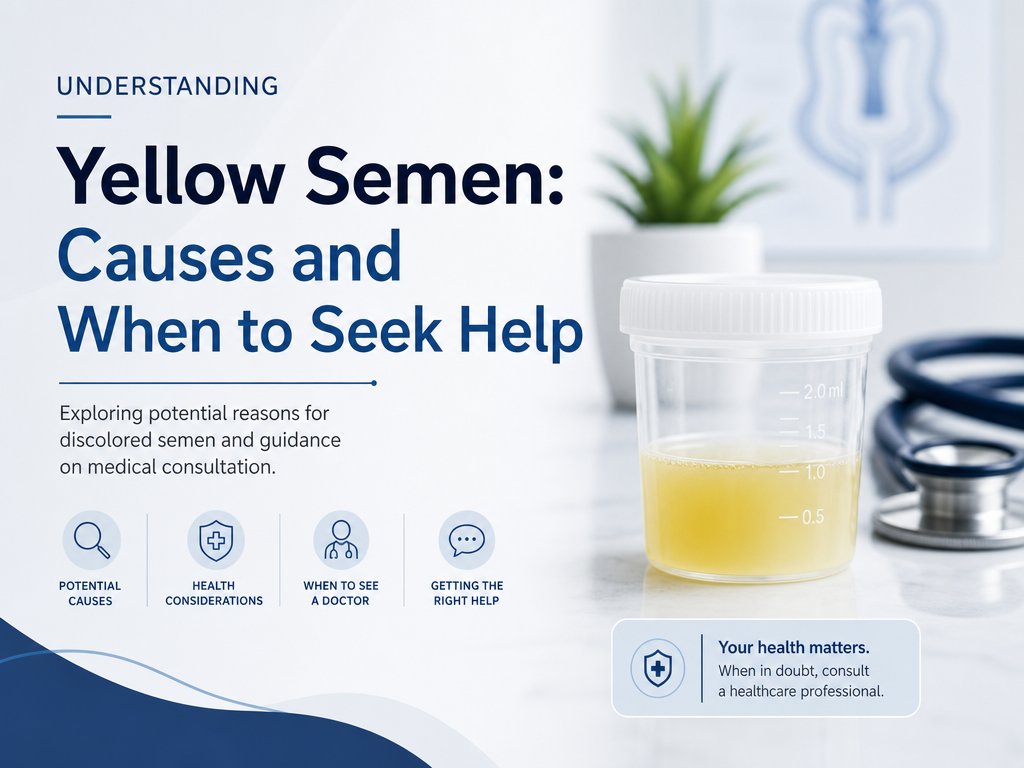
Normal Semen and Variations
Semen typically appears white or grayish in color. A yellow hue might not initially raise concerns, but sometimes it signals an underlying medical issue, such as jaundice or a prostate infection. Monitoring changes in semen color is important to identify potential health problems early. Being aware of what is considered typical and what constitutes a deviation from the norm is crucial for maintaining reproductive and overall health. Understanding the possible causes for these variations helps in addressing and managing them effectively.
Potential Causes of Yellow Semen
Residual Urine
Occasionally, residual urine left in the urethra mixes with semen, causing a yellow tint. Given that the urethra carries both urine and sperm, leftover urine can occasionally tint the semen yellow, especially after urination. This is generally not considered abnormal if it occurs infrequently and is temporary. However, if the yellow tint persists or is accompanied by other symptoms, further investigation might be necessary to rule out more serious conditions.
Medical Conditions
Jaundice, resulting from elevated bilirubin levels, can alter the color of semen along with turning the skin and the eyes yellow. This condition frequently stems from liver problems, such as hepatitis or liver cirrhosis. It’s crucial to address any potential liver issues with a healthcare professional to prevent complications and ensure your overall well-being. Early detection and management can significantly improve outcomes and help prevent further liver damage.
Leukocytospermia
This condition is marked by a high level of white blood cells in semen, making it look yellow. Sometimes linked to fertility issues, it can result from infections or inflammation of the seminal tract. Identifying and treating infections promptly can help mitigate complications related to fertility and overall semen health. Seeking medical advice for persistent changes can aid in early intervention and better management of reproductive health concerns.
Prostate Infections
Semen might appear yellowish-green if a prostate infection is present due to bacteria spreading from the urinary tract to the prostate gland. Symptoms might include fever, painful urination, or discomfort in the pelvic area. Addressing prostate health through medical consultation is key to resolving these issues effectively and preventing recurring infections. It’s particularly important to follow through with any prescribed treatments and recommended lifestyle changes.
Impact of Lifestyle Choices and STDs
Alcohol, tobacco, and certain foods, notably those high in sulfur, like garlic or onions, may temporarily change semen color. Additionally, some medications can contribute to this alteration. Sexually transmitted diseases (STDs), such as gonorrhea or chlamydia, may also produce similar changes in color and may be accompanied by other symptoms. Engaging in safe sex practices and regular health screenings for STDs can help maintain normal semen color and overall reproductive health. Making informed lifestyle choices and staying aware of potential risks are key actions that contribute to maintaining optimal health.
When to Visit the Doctor
A sudden or persistent change in semen color should prompt a doctor’s visit, especially if it lasts over a week or occurs alongside other symptoms such as pain, unusual discharge, or fever. Treatment focuses on addressing the underlying cause—ranging from antibiotics for infections to other therapies depending on the condition. It’s vital to not ignore persistent changes and seek medical advice to prevent potential health complications. Keeping an open dialogue with healthcare professionals can help ensure timely intervention and the best possible outcomes for any emergent health issues.
Final Considerations
While a color change might be alarming, it could also be temporary. Monitoring symptoms closely and seeking medical advice is crucial for continued health. It’s essential to maintain regular check-ups and communicate openly with healthcare providers about any surprising changes or persistent symptoms. Staying informed about personal health and being proactive in seeking timely medical advice ensures better management of any health issues that arise. Taking control of one’s health through awareness and action can greatly enhance quality of life and long-term well-being.