Meaningful connections with others who face chronic conditions can be significant. Such opportunities can be found through Bezzy, accessible on both web and mobile platforms. Bezzy provides a supportive community where individuals can share experiences and advice, fostering an environment of mutual support and understanding.
Types and Causes of Bikini Line Cysts
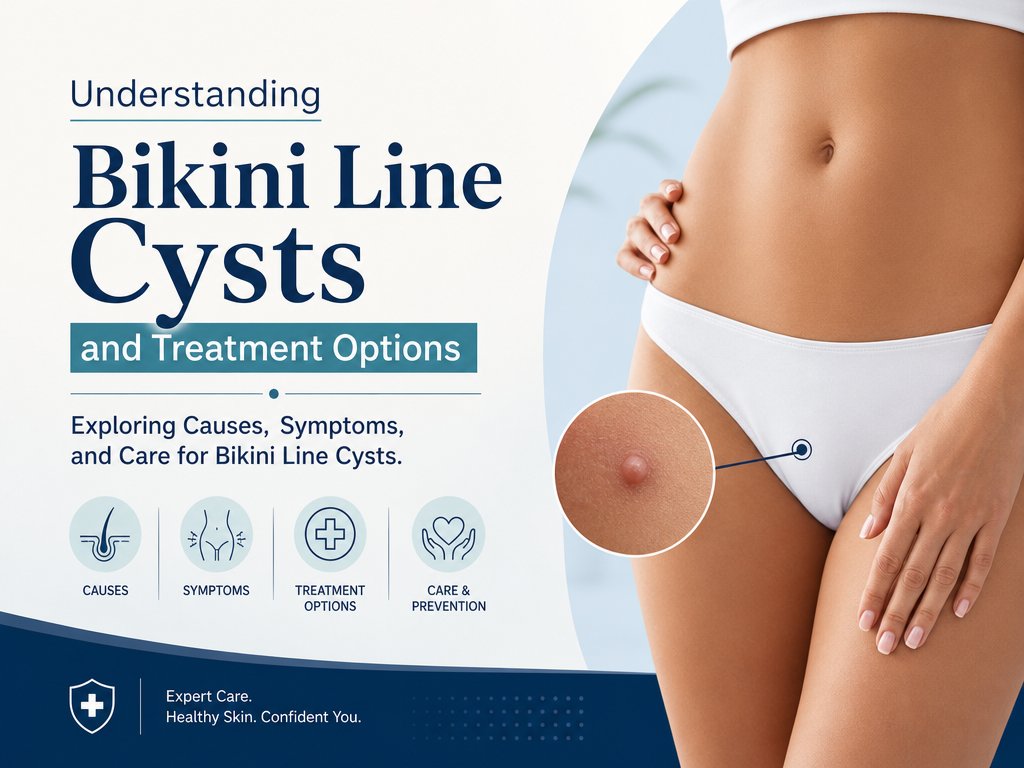
Various cyst types may surface along the bikini line. These fluid or solid-filled sac-like structures commonly form under the skin in areas such as the bikini line, differing from skin irritations like razor burns or folliculitis. While these might resolve without intervention, medical consultation is advised if there’s discomfort or growth in size. Identifying the type of cyst can be crucial for determining the appropriate care and treatment options. Consulting a healthcare provider can offer insights into whether a cyst requires intervention or can be left to subside on its own.
Risks of Self-treatment
Squeezing or popping these cysts can exacerbate issues. Consulting a dermatologist is vital for bothersome or atypical lumps. Attempting self-treatment can lead to infection or further skin irritation, which could complicate what might initially be a harmless cyst. Dermatological advice can provide safe and effective solutions, reducing the chances of infection and other complications.
Common Cyst Varieties
Two prevalent cyst types under the skin are sebaceous (pilar) and epidermoid cysts. Although both can manifest on the skin, epidermoid cysts tend to appear more frequently around the genital region. Understanding the distinction between these cyst types aids in determining treatment protocols and preventive measures. Medical professionals can diagnose the cyst variety based on its appearance, location, and patient history.
Potential Triggers
Common triggers for bikini line cysts include ingrown hairs, oily skin, and trapped skin cells. Ingrown hairs, especially prevalent in individuals with curly or coarse hair, frequently result from home hair removal efforts. Oily skin may develop pilar cysts when sebum becomes trapped in oil glands, accumulating into a thick substance. Dead skin cells might also become trapped, leading to epidermoid cysts as these cells multiply and keratin fills the area. Adopting appropriate hair removal techniques or skincare practices can mitigate the risk of cyst development.
Identifying and Treating Infected Cysts
Cysts can become infected, particularly if squeezed or subjected to friction from clothing. Infected cysts may warrant oral antibiotics. Full prescription adherence is crucial despite initial symptom improvement, as well as further medical review if symptoms worsen during treatment. It’s essential to recognize signs of infection such as redness, swelling, and pus discharge, prompting timely medical intervention to prevent complications.
Professional Medical Care Options
For troubling bikini line cysts, consult a doctor. Steroids might be recommended for inflamed cysts. For larger cysts, medical professionals could employ excision, fully removing the cyst to prevent recurrence but possibly leading to scarring. Alternatively, cyst contents might be drained, though this method may not prevent recurrence due to retained cyst linings. It’s important to discuss potential outcomes and risks with a healthcare provider to choose the best treatment path for individual circumstances.
When to Seek Further Medical Advice
Consultation is essential when cysts cause concern, infection, or atypical changes in size, color, or texture, which necessitates examination to exclude other conditions. Monitoring changes closely enables prompt medical attention, which can be crucial for addressing underlying health issues promptly.
Preventative Measures
Preventing bikini line cysts is often possible with lifestyle adjustments. For cysts linked to lifestyle habits like ingrown hair from shaving, professional hair removal might be considered. For those shaving at home, methods to prevent cysts and ingrown hairs can include:
- Choosing appropriate shaving techniques such as using a sharp blade and applying a moisturizing gel or cream to reduce irritation.
- Exfoliating regularly to remove dead skin cells which can block hair follicles, aiding in preventing ingrown hairs and cyst formation.
- Shaving in the direction of hair growth to minimize skin irritation and the risk of ingrown hairs.
While generally harmless, bikini line cysts can become troubling if large or irritated. A non-invasive approach is usually optimal, but medical intervention is available for larger cysts. Regular skin checks and maintaining a good skincare routine can also be useful in preventing the occurrence of these cysts.
If you’re uncertain about lumps in the bikini area or experience changes such as size, shape, or texture alterations, consult with a medical professional. Early diagnosis can help in managing and treating the condition effectively. Seeking professional advice can offer reassurance and guidance on the best course of action, ensuring health and well-being are prioritized.