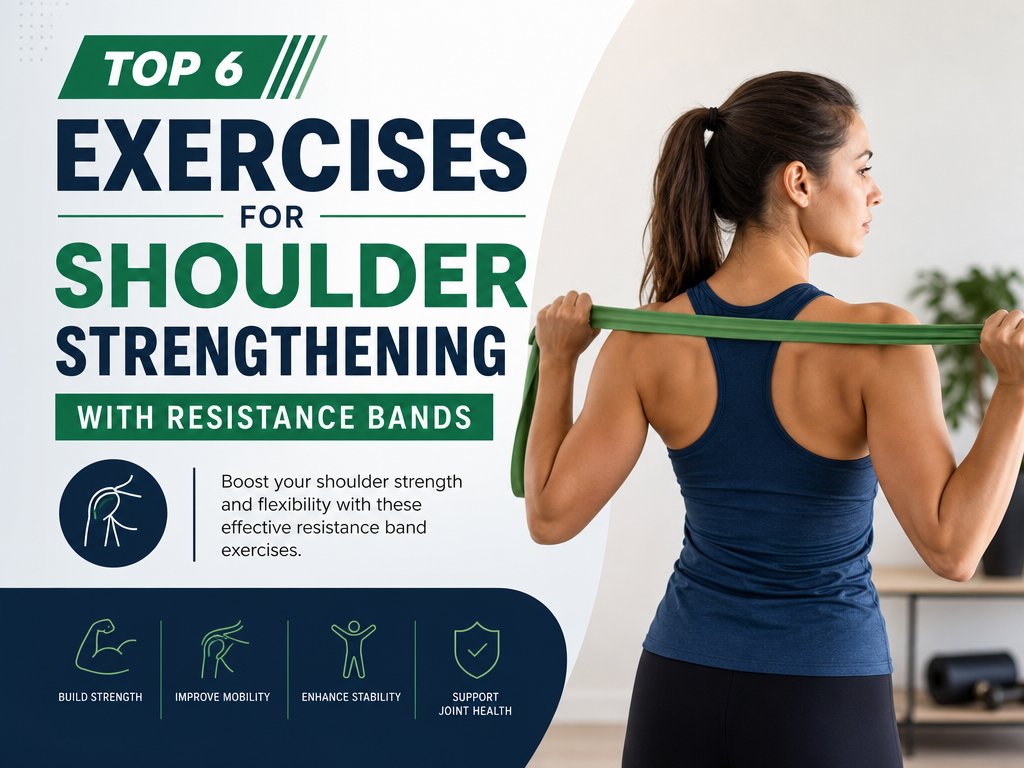
Introduction to Resistance Band Shoulder Exercises
Resistance band exercises offer a simple and efficient way to enhance shoulder strength and flexibility. Suitable for people of all fitness levels, resistance bands are portable and affordable, making them an ideal fitness tool to use at home or on the go. With the growing interest in versatile training methods, resistance bands have emerged as one of the most effective solutions for shoulder conditioning. They are available in various resistance levels and are easy to incorporate into daily workouts, whether you’re a beginner or advanced fitness enthusiast looking to add a new dimension to your routines. Learn six resistance band exercises to boost your shoulder health and add variety to your fitness routine.
The Benefits of Using Resistance Bands
Resistance bands provide a versatile workout option and can easily be added to any exercise routine. They help improve shoulder mobility, stabilize important muscles like the rotator cuff, and are ideal for improving posture. In addition, resistance bands are particularly effective in fostering balanced muscle development, an essential aspect that free weights sometimes overlook. By engaging stabilizing muscles, bands enhance proprioception and coordination, crucial for protecting joints in dynamic movements. When performing these exercises, aim for 1-3 sets of 8-15 repetitions, as advised by your healthcare professional. Start with a lighter band to perfect your technique before progressing to heavier resistance. This gradual approach helps prevent strain and injury, ensuring you build a stable foundation for shoulder strength. The gentle yet dynamic resistance provided by the bands encourages muscle activation throughout the range of motion, which can offer functional strength applicable to everyday activities.
Exercise Precautions
Always inspect your resistance bands for wear to prevent breakage. If you experience any discomfort or have a pre-existing condition, consult with a healthcare provider before starting these exercises. Familiarizing yourself with proper form and technique will maximize benefits while minimizing the risk of strain. Additionally, understanding muscle activation and ensuring balanced energy distribution across movements ensures that one side of the body isn’t overcompensating, which can lead to misalignments and possible injury. Moreover, listening to your body and resting when necessary can aid in preventing overuse injuries. The key is to allow your muscles time to recover fully, which enhances performance and longevity of training.
Detailed Exercise Guide
Each exercise targets different shoulder and back muscles, contributing to improved posture and shoulder stability. For increased intensity, adjust the band placement closer together. Varying intensity also provides continuous muscular challenge, crucial for progressive overload, a key principle in achieving muscle growth and endurance. Resistance bands offer a safe alternative to weights and are particularly beneficial for complex joints like shoulders, which are prone to injury. Implementing dynamic movements like overhead presses or rowing with bands can diversify your routine while enhancing muscle fiber recruitment. Common exercises include lateral raises, front raises, and resistance band pull-aparts. These exercises not only focus on shoulder strength but also engage the core for holistic fitness, reinforcing the interconnectedness of muscle groups.
Prevention and Recovery
Using resistance bands can prevent injuries by building strength, stability, and mobility. These exercises are also excellent for rehabilitation, helping ensure a quicker and safer recovery process post-injury or surgery. They are particularly suited for incremental improvement, reducing the risk of re-injury by ensuring controlled movements. Always consult with your healthcare team when using resistance bands for recovery purposes. Tailoring exercises to individual conditions may aid targeted recovery and enhance joint health. Additionally, resistance bands can be integrated with other therapeutic modalities, like stretching and massage, to support full recovery.
Conclusion
Incorporating resistance bands into your routine can improve shoulder function, flexibility, and relieve muscle imbalances. Portable and adaptable, they offer varied intensity levels to match any workout requirement, catering to beginners and seasoned athletes alike. Remember to seek professional guidance if needed and to discontinue use if pain occurs. By combining resistance band exercises with other training modalities, such as cardio, yoga, or weight training, you can create a comprehensive fitness plan that covers all bases. This multifaceted approach not only optimizes overall physical conditioning but also keeps workouts engaging and sustainable. Combining these exercises with other fitness activities can create a balanced workout regime. Enjoy enhancing your fitness regimen with these versatile exercises and experience the transformative benefits they offer to your shoulder health and beyond!