Introduction to Nasal Polyps
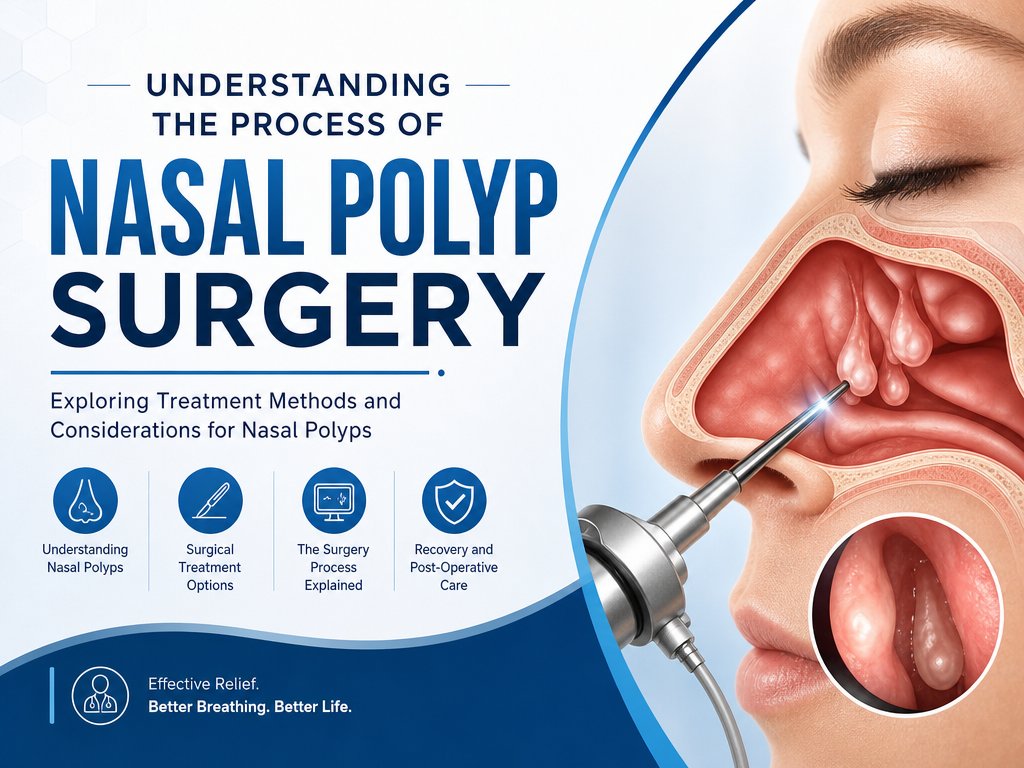
Nasal polyps are non-cancerous growths found in the lining of the nasal passage or sinuses. These growths can obstruct airways, leading to problems such as nasal congestion, diminished or complete loss of smell, and recurrent sinus infections, particularly when they enlarge to the size of a grape. Although various medications exist to help manage symptoms, surgery remains the definitive method to remove them. Understanding the causes and symptoms can help in timely diagnosis and treatment.
Treatment Options for Nasal Polyps
Initial treatments predominantly involve medications, such as corticosteroid sprays and saline irrigations. These medications are aimed at reducing inflammation and managing symptoms over several months as part of a conservative approach before considering surgical options. Nasal corticosteroids are commonly the first line of treatment as they can shrink polyps and relieve congestion, though they may not completely eliminate polyps. In some cases, oral corticosteroids or injectables may be prescribed for short-term relief of severe symptoms.
When to Consider Surgery
Surgery is considered when medications fail to alleviate the symptoms effectively. A nasal polypectomy is the standard surgical procedure performed to remove polyps. This in-office surgical procedure, although considered minor, should nonetheless be conducted by an experienced healthcare professional in a medical setting. The decision for surgery will also depend on the size, number, and location of the polyps in relation to symptoms experienced by the patient.
The Surgical Procedure
Nasal polypectomy is a minimally invasive procedure that does not necessitate external incisions, yet it is crucial that it is performed under competent medical care to prevent complications such as infection, excessive bleeding, or damage to surrounding tissue. The surgery is usually done using endoscopic tools, which allow the surgeon to view and remove polyps without making cuts on the surface of the nose. Post-surgery, symptoms like mild pain, swelling, or bleeding are common but typically resolve within a week. Patients are advised to avoid strenuous activities and follow their doctor’s care instructions closely during recovery.
Post-operative Care and Recovery
Proper postoperative care is pivotal to ensure smooth recovery and reduce the risk of recurrence. After surgery, regular nasal saline irrigations are recommended to keep the nasal passages clean and moisturized. Additionally, the use of oral steroids may be prescribed to reduce inflammation. It is important to maintain follow-up appointments with your doctor to monitor the healing process and manage any complications that may arise. Recovery typically occurs over a few weeks, though complete healing may take longer depending on the individual’s health condition and adherence to postoperative care guidelines.
Long-term Management and Expectations
Despite successful removal via surgery, nasal polyps have a tendency to recur over time, with some patients experiencing regrowth within a few years. Thus, long-term management is necessary to prevent further growth and mitigate symptoms. Continued use of medications, including nasal corticosteroids, can help manage these cases and delay recurrence. Additionally, identifying and controlling underlying conditions, such as allergies or asthma, can significantly impact the success of long-term management strategies.
Lifestyle modifications, such as avoiding irritants like tobacco smoke, allergens, and pollutants, can also contribute positively to long-term management. Educating oneself on the triggers and maintaining a regular medical check-up regime can help to promptly address any new symptoms.
Conclusion
Nasal polyps, while not life-threatening, can significantly impact the quality of life, making surgical intervention necessary for substantial relief in many instances. It is vital to seek prompt medical evaluation and comply with recommended treatment plans to maintain an optimal quality of life. Patients should be aware of potential triggers and adhere to a comprehensive management plan to effectively handle this condition.
If symptoms persist or worsen despite treatment, consulting with a healthcare professional is crucial. An experienced specialist will be able to recommend appropriate next steps and adjust treatment strategies accordingly, ensuring tailored care to each individual’s circumstances. Regular monitoring and management enable individuals to lead healthier, more comfortable lives.