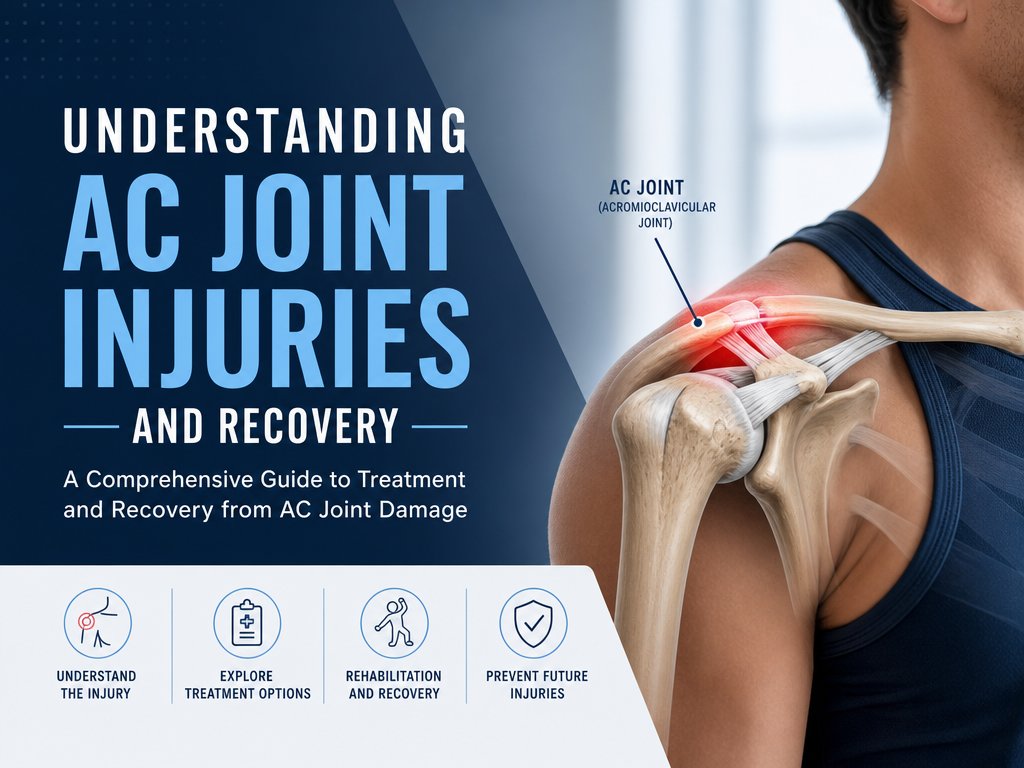
Introduction to AC Joint Injuries
The acromioclavicular (AC) joint, located between the acromion process of the shoulder blade and the collarbone, plays a crucial role in shoulder mobility. Injuries to this joint commonly result from direct impact or falling onto an outstretched hand, making up around 40% of shoulder injuries. Understanding the nature of AC joint injuries is essential for effective treatment and recovery. Such injuries can vary in severity from minor sprains to complete dislocations, and knowing the differences helps in choosing the appropriate treatment.
Treatment Options for AC Joint Injuries
Conservative Treatments
Minor AC joint injuries often respond well to non-surgical treatments. These approaches may include rest, physical therapy, and pain management techniques, which allow a gradual return to activities. Such conservative methods are typically recommended for grade 1 to 2 injuries, which have shown success with lower complications. Physical therapy focuses on regaining shoulder function and mobility while managing pain through controlled exercises. Ice packs and anti-inflammatory medications can also be used to reduce swelling in the affected area, promoting quicker healing. Additionally, using supportive devices such as slings might be beneficial to immobilize the joint and facilitate healing.
Surgical Interventions
Severe AC joint injuries, particularly those classified as grades 4 to 6, generally require surgical intervention. Despite the variety of over 150 surgical techniques described since the first procedure in 1917, the choice of surgery often depends on injury severity. Interestingly, the necessity of surgery for grade 3 injuries remains debated among experts, as these involve complete disruptions of connecting ligaments. The decision to undertake surgery considers factors such as patient activity level and overall health status, with a careful weighing of potential risks and benefits. Some common surgical techniques include the use of screws, plates, or allografts to stabilize and reconstruct the ligaments and joint structure.
Success Rates and Recovery
Studies demonstrate varied success rates for AC joint surgeries, often based on severity and specific procedures undertaken. For instance, research indicates high return-to-sport levels among athletes post-surgery, with success rates in some studies reaching over 80% within two to three years of follow-up. Individuals benefit from advances in surgical techniques, which have improved functional outcomes and shortened recovery times. However, optimal results require adherence to post-operative rehabilitation programs tailored to the individual’s needs. Rehabilitation often involves activities to improve range of motion, strength, and flexibility, crucial for a successful recovery and achieving pre-injury levels of functionality.
Potential Complications
While surgical outcomes are generally positive, potential complications, occurring in 5% to 30% of cases, must be considered. Reported issues range from minor post-operative challenges to more significant complications requiring further medical attention. Complications may include infection, hardware irritation, or joint instability, necessitating careful monitoring during recovery. Patients are advised to attend follow-up appointments and promptly report any unusual symptoms to their healthcare provider. Adopting preventative measures, such as maintaining good hygiene and following post-operative care instructions, can help mitigate the risk of complications.
Recovery Timeline
Post-surgical recovery is influenced by the injury’s grade and treatment type. Most patients progress to carrying weight and participating in non-contact sports within three months of surgery. Eventually, full activity is expected to resume around six months post-operation, with some athletes returning to competitive sports in as little as six to eight weeks. Rehabilitation plans often include exercises designed to restore strength and flexibility to the shoulder, ensuring safe and effective reintegration into daily activities. Success also heavily relies on the patient’s commitment to the rehabilitation process, highlighting the importance of a disciplined approach. Ongoing communication with physical therapists is pivotal to adjust the rehabilitation plan as needed, ensuring the patient stays on track for optimal recovery.
Frequently Asked Questions
Can you fully recover from an AC joint injury? The prospects for full recovery vary based on injury severity; however, many individuals with lower-grade injuries achieve complete recovery with appropriate treatment. Consistent physical therapy and adherence to a therapist-approved exercise regimen can aid in restoring pre-injury levels of function. Following up with healthcare providers ensures that recovery progresses as expected and addresses any arising issues promptly.
Do AC joint ligaments regenerate? Minor ligament injuries may heal independently, while serious injuries often necessitate surgical repair. Beyond three weeks post-injury, the potential for natural healing diminishes. Early intervention and proper management are critical to supporting ligament reconstruction and preventing chronic pain or disability. Employing targeted exercises can facilitate ligament strength and functionality, enhancing recovery outcomes.
Is AC joint surgery painful? Though surgery is performed under anesthesia, post-surgical discomfort is expected. Effective pain management strategies, including prescribed medications and cooling therapies, can mitigate such discomfort. Some patients may require additional pain management measures such as nerve block injections during the initial recovery phase to ensure comfort. Proper management ensures pain is kept at a minimum, allowing for smoother participation in rehabilitation activities.
Understanding these factors contributes to informed decision-making regarding the treatment of AC joint injuries, guiding patients towards successful recovery and return to activity. It is crucial to consult with a medical professional to determine the most suitable treatment plan tailored to individual needs, ensuring the best possible outcome for shoulder health and functionality. Comprehensive support from a specialized team can help patients navigate the recovery journey effectively.