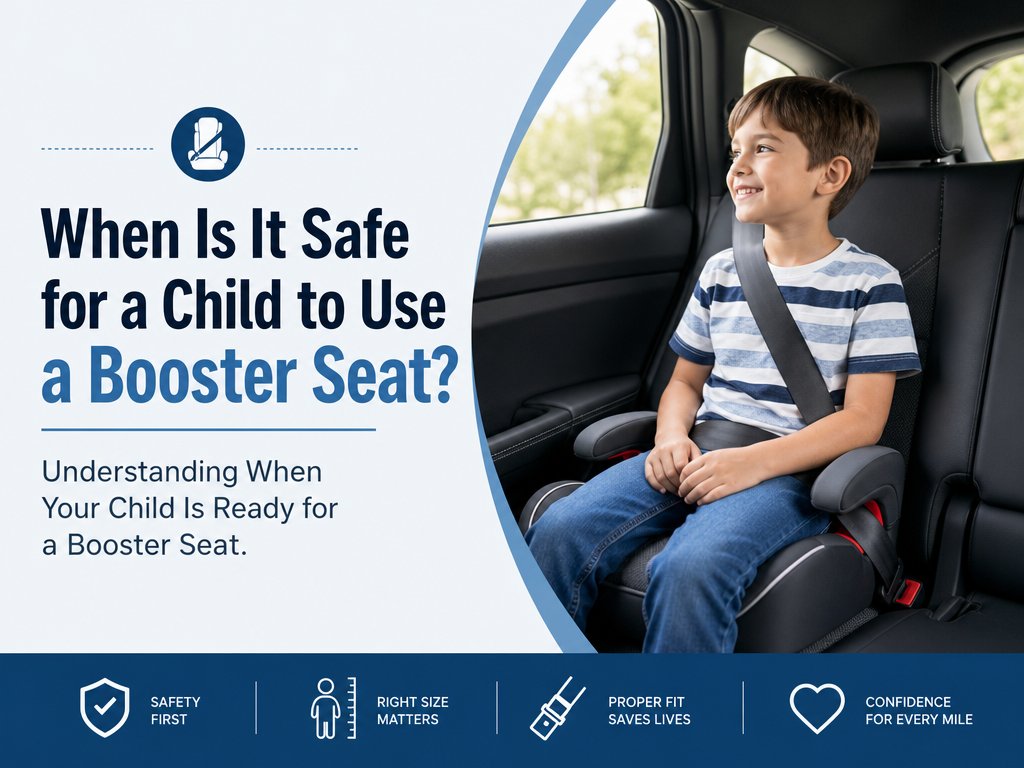
The Importance of Car Seats for Child Safety
During a child’s early years, ensuring their safety while driving is a top priority for parents and guardians. This involves utilizing car seats or booster seats specifically tailored to a child’s size and age. Safety standards are stringently regulated across the United States, ensuring consistency in protective measures and providing peace of mind for caregivers nationwide. Maintaining adherence to these standards not only fulfills legal requirements but also greatly reduces the likelihood of serious injuries in the event of accidents or sudden stops.
When Is Your Child Ready for a Booster Seat?
Determining when your child can safely transition to a booster seat depends predominantly on their height rather than just their weight. The key indicator that it’s time to make this important change is when your child outgrows their forward-facing car seat. This generally involves surpassing the seat’s specified height or weight limits, which are crucial benchmarks in child automotive safety. Monitoring these parameters ensures that the child’s body is adequately protected and sufficiently supported during rides.
Stages of Car Seats
Children typically progress through three main types of car seats to ensure optimal safety at different stages of growth:
1. **Rear-Facing Seats:** Suitable until they reach the seat’s height or weight capacity, which is typically between 30 to 60 pounds (13.6 to 27.2 kg). Rear-facing seats offer the best support for the head, neck, and spine in the event of a collision.
2. **Forward-Facing Seats:** Used until the child exceeds the height or weight limits of the seat, which can range up to 100 pounds (45.4 kg). These seats incorporate a harness system that helps to minimize movement during a sudden stop.
3. **Booster Seats:** Once the limits of other seats are surpassed, children need a booster until surpassing 57 inches (145 cm) in height or reach an appropriate age where the vehicle’s seat belt fits properly without assistance. A booster seat assists in positioning your child correctly, allowing the car’s seat belt to fit correctly across their body, thereby reducing injury risks during accidents.
Understanding Booster Seats
Booster seats are distinct from other types of car seats. They are not installed like traditional seats but aid the regular seat belt in securing a child adequately. Two primary types exist:
– **High-Back Boosters:** Ideal for cars with lower seat backs, providing additional head and neck support. These boosters are beneficial in offering guidance on how an adult seat belt should fit a child properly.
– **Backless Boosters:** Suitable for cars with higher seat backs or headrests, enabling a convenient fit and portability. Backless boosters lift the child, ensuring that the seat belt fits appropriately across the lap and shoulder.
Safety Guidelines and Best Practices
A comprehensive understanding of the manual instructions is crucial for the effective use and correct positioning of booster seats. It is advisable to regularly consult with local authorities, such as fire or police departments, about correct installations and to check for possible recalls on your specific model, ensuring the highest standard of safety for the child. Additionally, caregivers can benefit from online resources and workshops that offer practical guidance on car seat safety.
Maintaining Child Safety in Vehicles
Regardless of whether children clamor for adult challenges or mature asking for less secure and less restraining seat positions, it’s vital they remain in the correct seating stage for ultimate safety. Seat belt positioners designed externally to booster seats shouldn’t be used, as they often lack necessary safety regulation and standardization. These positioners might seem to make seat belts more comfortable for children but can compromise safety in critical situations.
Plan every trip with safety as the nucleus, no matter how mundane or routine it might seem. Protect your young ones with appropriate seating arrangements until they’re old enough and large enough to sit securely without the need for extra equipment. This precautionary approach is a simple yet indispensable step in preventive safety measures against unforeseen road mishaps.
Conclusion
An unwavering commitment to ensuring that every safety protocol is met can significantly divert potential risks and amplify security for your child in all driving escapades. By adhering to guidelines and regulations, caregivers can ensure both the well-being and safety of their young passengers throughout all stages of their growth. Prioritizing child passenger safety helps lay the foundation for cautious and responsible road habits in the future, fostering a culture of safety within families and communities alike. Moreover, educating children on the importance of safety and the proper use of seat belts and car seats not only protects them in the present but also instills lifelong habits of vigilance and responsibility when it comes to automobile safety.