Introduction to Muscular Tinnitus
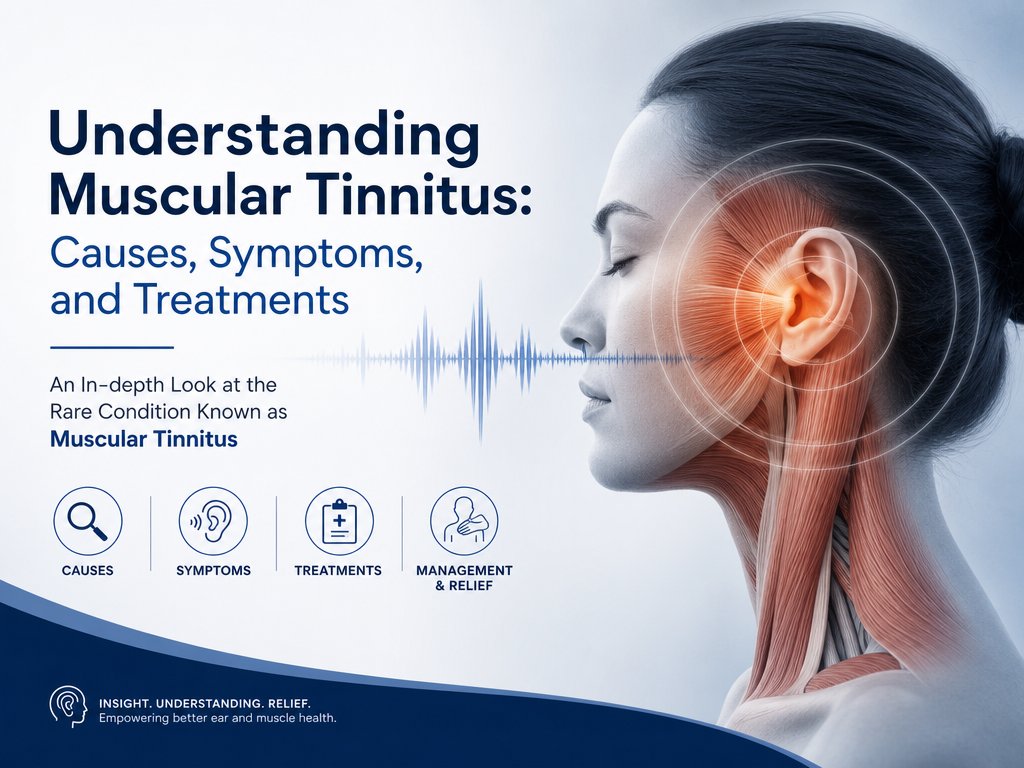
Muscular tinnitus is an uncommon form of tinnitus where individuals experience sounds generated by muscle spasms in the middle ear. This condition, characterized by non-external noises such as clicks, is associated with involuntary contractions of the stapedius and tensor tympani muscles. These muscle contractions lead to internal noises, distinct from the more common types of tinnitus that are related to issues in other parts of the auditory system. Understanding the mechanism behind these muscle spasms provides insight into this unique condition.
Understanding Tinnitus
Tinnitus, broadly defined, involves hearing noises without an external source, affecting approximately 10–25% of adults. Children may also experience tinnitus, though it is generally less reported among younger populations. Tinnitus is categorized into two types based on its causes: subjective tinnitus, where noises are only heard by the affected individual, and objective tinnitus, where sounds can occasionally be heard by an examiner. This categorization helps guide medical professionals in diagnosing and treating the condition.
Causes and Symptoms of Muscular Tinnitus
Muscular tinnitus is linked with small muscle spasms in the middle ear, situated between the eardrum and the inner ear. These muscles aid in sound transmission and protect the ear from loud noises. Rhythmic contraction can lead to repetitive sounds. Symptoms vary between individuals, often manifesting as clicking, fluttering, or “thumping” in the ears. These noises can be sporadic or continuous and may occur in one or both ears, leading to varying degrees of discomfort or distraction.
Potential Underlying Causes
Since muscular tinnitus is symptomatic rather than a standalone condition, its complications depend on underlying causes. Conditions such as multiple sclerosis, head trauma, or stress might contribute to muscular tinnitus. While tinnitus rarely indicates a severe medical issue, consulting a doctor is advised if symptoms arise suddenly or hinder the ability to hear external sounds. Such consultation ensures that any significant conditions contributing to tinnitus are appropriately addressed.
Consultation and Diagnosis
Diagnosis involves examining the ear canal for blockages, such as earwax or infection, and assessing the patient’s medical history for potential causes or contributing medications. Patients might be referred to specialists like otolaryngologists or audiologists, who may conduct imaging tests to reveal underlying causes. Advanced diagnostic tools, including MRI or CT scans, can help identify structural issues or neural conditions that may be causing these involuntary muscle contractions. Accurate diagnosis is essential to devising an effective treatment plan.
Available Treatments
Treatment options depend on the primary cause of the tinnitus. In some instances, muscular tinnitus may resolve without intervention. However, persistent cases might require muscle relaxants or other remedies like anti-spasmodic medications. Treatments like Tinnitus Retraining Therapy (TRT) may provide relief, though recovery is often gradual. Therapy tends to focus on retraining the brain to disregard the tinnitus sounds. In rare cases, and when other treatments are ineffective, surgery may be considered to alleviate severe symptoms by altering the affected muscle or nerve group.
Prevention and Management
Preventing muscular tinnitus can be challenging due to its varied causes. General tinnitus prevention strategies include minimizing exposure to loud noises, using protective ear gear in loud environments, and addressing neck tension or degenerative conditions such as ALS. Leading a stress-free lifestyle with regular exercise and relaxation techniques can also contribute to overall ear health.
Though muscular tinnitus can sometimes be resolved by addressing its root cause, it’s crucial to seek medical advice if it suddenly begins or impacts hearing. Early diagnosis and treatment can prevent potential complications and enhance quality of life for those affected by this distinctive form of tinnitus. Continued research is essential to providing more comprehensive solutions and better support for individuals facing this condition.