Introduction to Sun Poisoning
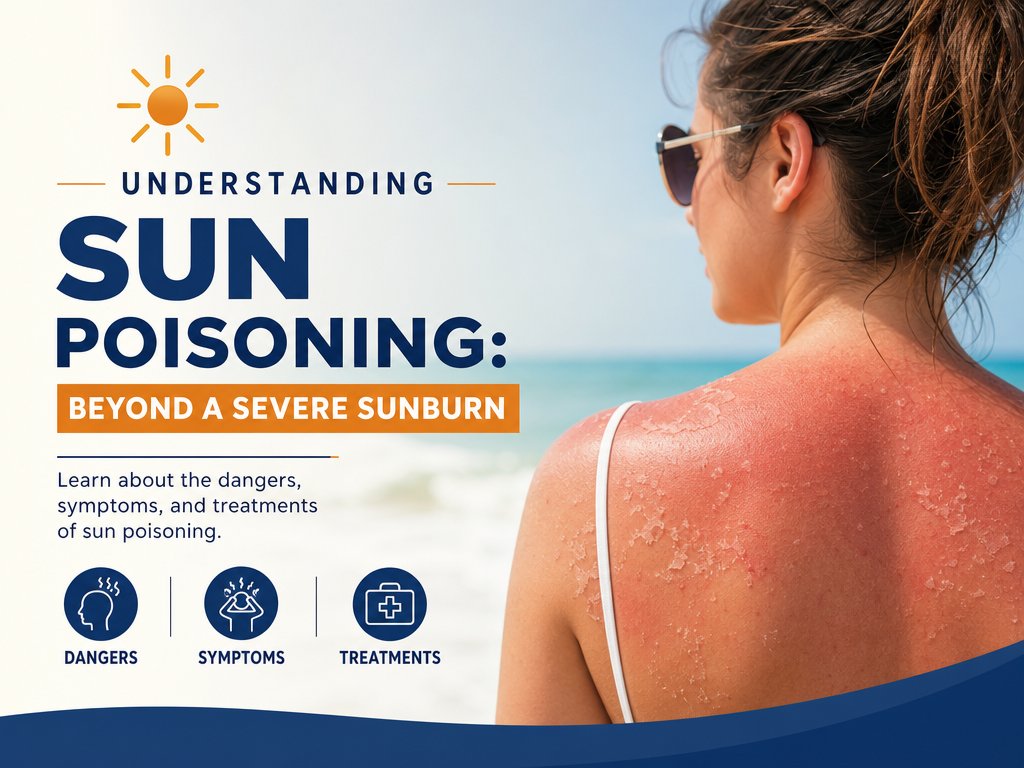
Sun poisoning is a severe form of sunburn resulting from prolonged exposure to ultraviolet (UV) rays. It involves more serious symptoms than a regular sunburn and often requires medical attention to avoid complications. Understanding how to recognize and treat this condition is essential for maintaining skin health. Awareness and education about sun poisoning can be vital, especially for those who spend large amounts of time outdoors for work or leisure, as they are at a heightened risk of exposure.
Symptoms and Diagnosis
Sun poisoning symptoms may initially resemble those of a standard sunburn but can escalate if not treated properly. Signs include severe redness, pain, swelling, and sometimes flu-like symptoms such as chills, fever, headache, and dehydration. Distinguishing these from sun rash or mild sunburn is crucial, as sun rash is purely a skin reaction, often hereditary, manifesting as red, itchy bumps or hives that may appear and disappear based on sun exposure. Identifying these symptoms early can aid in seeking timely medical intervention, thus preventing deterioration.
Regular Sun Exposure and its Effects
Regular exposure to the sun without adequate protection can lead to sun allergies and skin conditions requiring ongoing dermatologist care for management. Prolonged sun exposure without proper precautions is especially risky for individuals with fair skin or a history of sun-related ailments, increasing their susceptibility to severe conditions like sun poisoning. Though sun poisoning is usually an isolated incident needing immediate medical attention, constant vigilance and proactive sun safety measures can significantly reduce risks. These measures are critical, particularly for children and the elderly, who may be more vulnerable than the average adult due to thinner skin or pre-existing conditions.
Treatment and Prevention
If you suspect sun poisoning, see a doctor promptly. Treatment usually involves cooling the skin with water or compresses and ensuring skin moisture retention. Dehydration from sun exposure necessitates replenishing fluids. In some cases, over-the-counter pain relievers or anti-inflammatory medications may be recommended to alleviate discomfort. Prompt treatment can prevent serious complications like skin damage or severe dehydration, which could necessitate hospitalization if left unattended. Additionally, ensuring that the damaged skin is effectively restored through moisturizing lotions can prevent further skin deterioration, aiding in quicker recovery.
Preventing Sun Poisoning
Preventing sun poisoning involves reducing UV exposure—by wearing sunscreen daily, seeking shade during peak hours, and covering up with protective clothing like wide-brimmed hats and sunglasses. Aim to avoid direct sunlight between late morning and early afternoon (10:00 a.m.-4:00 p.m.), when rays are strongest. Always choose a broad-spectrum sunscreen with an SPF of 30 or higher; apply liberally to all exposed skin and reapply it regularly, especially after swimming or sweating, to ensure continued protection. Understanding and educating yourself about the UV index levels can also help in planning outdoor activities to minimize risk and protect your skin.
Long-Term Effects
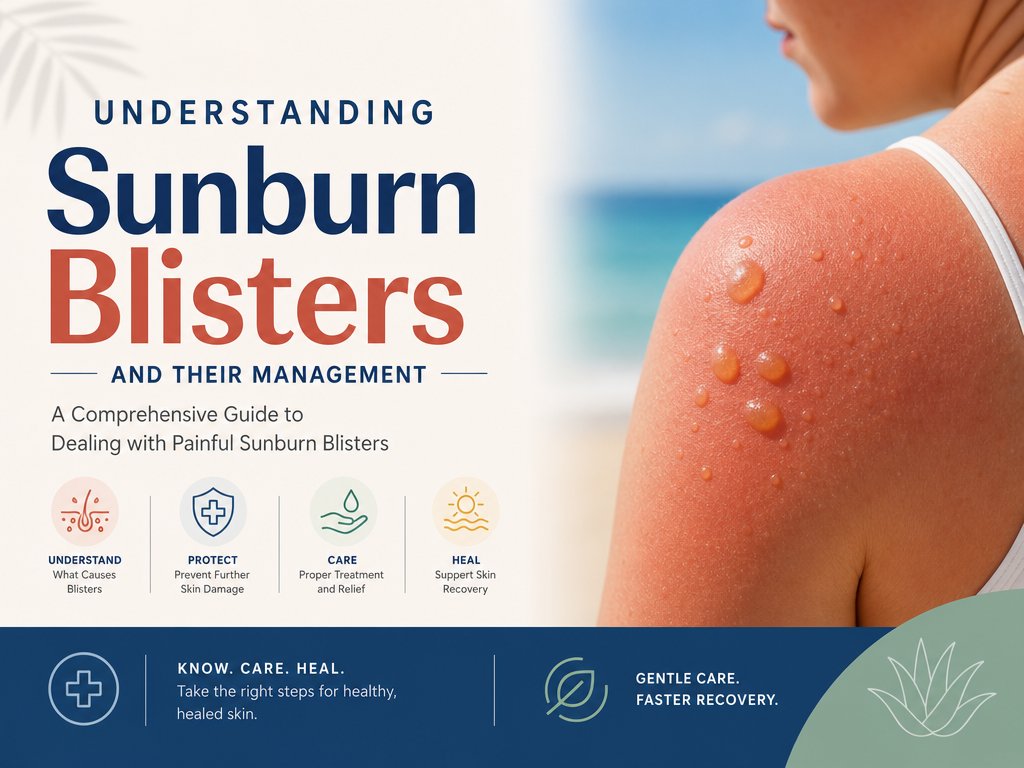
Untreated sun poisoning can lead to life-threatening conditions such as infection or prolonged dehydration. Scratching or popping blisters increases infection risk, and if infection persists, it may require antibiotics. Additionally, severe sunburn can have enduring effects on skin health, contributing to premature aging signs like wrinkles, skin spots, and elasticity loss, as well as an increased risk of skin cancer due to cumulative UV damage. These risks underscore the necessity of adhering to sun safety practices consistently. Seeking regular skin check-ups with a dermatologist can aid in early detection of potential skin issues, thereby reducing long-term health risks. Even those who believe they are not typically at risk should maintain regular check-ups.
Conclusion
The severity of sun poisoning underscores the importance of prompt treatment and consistent sun protection. While mild sunburns typically heal within a week, recovery from sun poisoning can take several weeks, depending on the extent of skin damage. The cumulative damage from repeated sun exposure without protection also makes preventative measures vital for long-term skin health and overall well-being. Educating others and spreading awareness about the dangers of UV exposure can further help reduce the incidence of sun poisoning, thereby fostering a healthier community. Being informed and proactive in adopting healthy sun exposure habits can not only ensure personal safety but also encourage peers and loved ones to do the same.