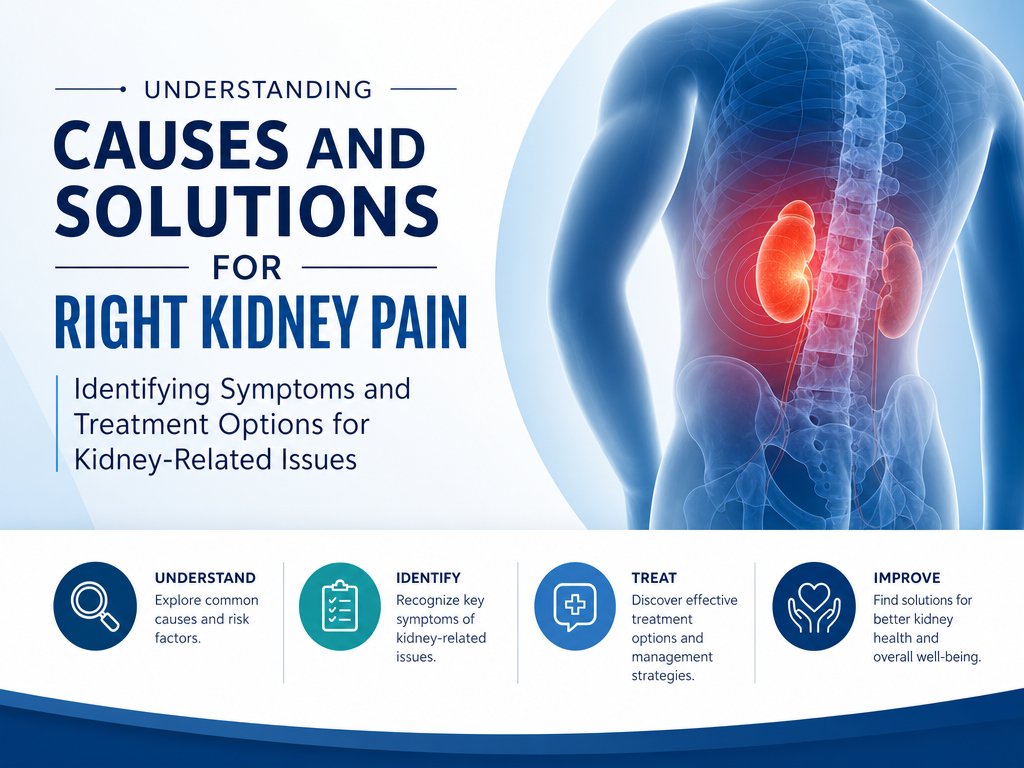
An Overview of Right Kidney Pain
Experiencing pain in the area of your right kidney can signify a range of conditions affecting this vital organ. Your kidneys play a crucial role in filtering blood and maintaining bodily systems, and any pain could indicate possible issues with these or nearby structures. Understanding the potential causes and symptoms can aid in identifying the problem promptly, allowing for more effective intervention in addressing the underlying condition. Timely detection and management are key to preserving your health and kidney function.
Possible Causes of Right Kidney Pain
Right kidney pain often highlights potential kidney problems or issues with surrounding tissues or organs. The unique positioning of the right kidney, slightly lower due to the liver, can also play a role in symptoms experienced. There are several conditions that could manifest with pain in this area, ranging from infections to trauma and even cancer. Recognizing these can assist in early detection and treatment, usually leading to better health outcomes. Being aware and vigilant about any persistent discomfort can make a significant difference.
Kidney Infections
Typically resulting from bacterial infections, kidney infections are serious conditions that require prompt attention. Symptoms of a kidney infection may include fever, chills, back pain, nausea, and frequent urination. If left untreated, the infection can lead to more severe health complications, including the potential spread to nearby organs or the bloodstream. Initial treatment usually involves antibiotics and may require hospitalization in severe cases to ensure the infection is properly managed and contained. Early intervention is critical to prevent further health complications.
Kidney Stones
Kidney stones, formed by minerals and salts, can be a painful condition but may pass without invasive treatment. Increased fluid intake and medication to ease passage can aid recovery. While small stones might pass naturally, larger stones may require medical intervention such as shock wave lithotripsy or even surgery. Preventative measures include staying well-hydrated and adjusting the diet to reduce the risk of new stones forming. Dietary changes might involve reducing sodium intake and limiting certain animal proteins that contribute to stone formation. Understanding the composition of the stones can guide dietary adjustments.
Renal Trauma
Impact injuries can lead to renal trauma, which is an injury to the kidney often caused by blunt force or accident. Renal trauma is categorized by severity. While some damage requires minimal intervention, severe cases may need surgical repair to restore proper function and prevent further damage. Symptoms such as blood in the urine, bruising around the kidneys, or abdominal pain can indicate the need for immediate medical evaluation and possibly imaging tests, such as a CT scan or ultrasound, to assess the extent of the injury. Immediate care is crucial to preserving kidney function.
Polycystic Kidney Disease (PKD)
PKD is a genetic disorder that results in cyst growth and reduced kidney efficiency over time. These cysts can cause kidney function to deteriorate further. Treatment focuses on symptom management, with medications available to control blood pressure, manage pain, and address other complications that arise. Regular monitoring and lifestyle modifications are crucial in managing PKD effectively but may necessitate eventual dialysis or kidney transplantation as the disease progresses. Genetic counseling might also be recommended for family members who could be at risk. Understanding potential hereditary risk factors is important for family planning.
Renal Vein Thrombosis (RVT)
RVT is a rare condition, characterized by blood clots in the renal vein, which can impede blood flow away from the kidneys. It is often linked to nephrotic syndrome, a kidney disorder that causes the body to excrete too much protein in the urine. RVT usually requires treatments that typically center on addressing the underlying cause, which can include anticoagulant medications to dissolve clots and prevent new ones, as well as managing related kidney-specific symptoms. It’s important to monitor for symptoms such as swelling in the legs or sudden flank pain, which can indicate this condition. Managing nephrotic syndrome effectively can help mitigate this risk.
Kidney Cancer
Kidney cancer can have symptoms that often appear in advanced stages, such as blood in the urine or persistent pain in the side. Due to its potential severity, early detection and surgical intervention are critical. Kidneys affected by cancer may require removal or partial removal to prevent spread. Post-surgical treatments may include targeted therapy, which interrupts the growth of cancer cells, and immunotherapy, which helps the body’s immune system fight the cancer. Regular check-ups and imaging tests may be advised for early detection and to monitor for potential recurrence. Lifestyle changes and regular screenings are critical for at-risk individuals.
When to Seek Medical Advice
Persistent or severe pain in your kidney area warrants professional assessment, as it could prevent possible damage and serious health threats. Any ongoing or acute pain could be indicative of an underlying problem that might need medical intervention. Proper diagnosis and early treatment can effectively manage even rare conditions like RVT or PKD, limiting their impact on your overall health and quality of life. It’s crucial to recognize changes in your body and seek help when necessary.
If you experience unrelenting kidney pain, along with symptoms such as fever, blood in the urine, or unexplained weight loss, consult a healthcare provider promptly to ensure appropriate care and prevent potential complications. Early medical evaluation is vital, not only to alleviate discomfort but also to address any serious underlying health issues. Understanding that early diagnosis can influence treatment options and outcomes is essential for maintaining overall well-being.