Introduction to Corns and Calluses
Bezzy communities provide meaningful connections and insights for individuals living with chronic conditions. Corns and calluses are areas of toughened skin, commonly found on the feet. Understanding these dermatological challenges, including their distinct characteristics, causes, symptoms, and treatments, is crucial for individuals aiming to manage them effectively and maintain a good quality of life. Corns and calluses, though similar, have unique features that require different approaches to treatment and care for best results.
Characteristics of Corns and Calluses
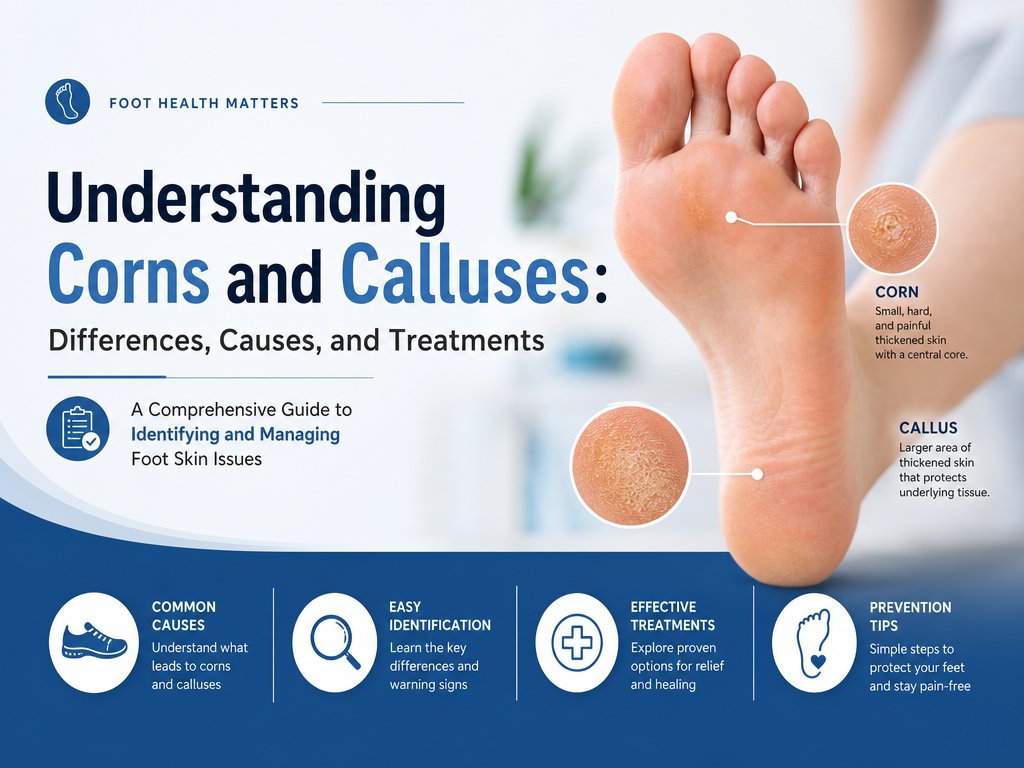
Corns are small, round, and thickened areas that often develop on toes or the soles of the feet, especially in individuals with bone structures that lack sufficient cushioning. In contrast, calluses are larger, rougher patches that usually appear on the heels or balls of the feet. They may also occur on the hands and knuckles. Calluses tend to be yellowish and have less defined edges compared to corns, offering a distinct look and feel that sets them apart from other skin conditions. Identifying whether a skin issue is a corn or a callus is vital in choosing the appropriate treatment strategy, as misidentification could lead to ineffective care.
Potential Pain and Concerns
Though typically painless, corns and calluses can lead to discomfort if they become infected or when subjected to continuous pressure. This discomfort may manifest as a persistent ache or irritation, necessitating closer examination and potential treatment. In some cases, the skin can become inflamed or start to break down, leading to increased vulnerability to infections. This makes it essential to monitor these conditions and seek timely medical advice if significant changes occur. In more serious scenarios, particularly for those with other health conditions, complications from corns or calluses can sometimes lead to severe problems requiring more intensive medical interventions.
Causes of Corns and Calluses
The primary causes of these skin conditions include friction and pressure, mainly due to the wearing of ill-fitting shoes. Activities that involve continuous walking, running, or prolonged periods of standing can also contribute significantly to their development. High heels, in particular, are notorious for causing calluses on the balls of the feet due to the elevated pressure they impose. People with foot deformities, such as bunions or hammertoes, might be more prone to developing corns and calluses as these conditions lead to unusual pressure points on the skin. Additionally, athletes or professionals who perform repetitive motions with their hands or feet may find these conditions more common due to regular stress and pressure on specific areas of the body.
Treatment and Management
For corns and calluses that are asymptomatic, treatment might not be necessary. However, addressing and correcting any footwear issues could naturally resolve the problem. Persistent or painful occurrences should be evaluated by a healthcare professional, especially for individuals with diabetes or those at high risk for infections. Regular monitoring and timely interventions can prevent the progression of these conditions and avert potential complications. Continuous evaluation and modification of footwear choices can play a significant role in both treating and preventing the recurrence of these skin issues, promoting healthier skin over time.
Medical and Home Treatments
Healthcare providers may offer tailored interventions or refer patients to specialists such as podiatrists or orthopedic surgeons if needed. Over-the-counter options, including corn plasters and callus pads, can help relieve pressure and mitigate discomfort. Moreover, soaking affected areas in warm water followed by gentle exfoliation can assist in managing and preventing further development of these conditions, allowing individuals to continue their daily activities without significant pain. It’s important to follow instructions carefully when using over-the-counter treatments to avoid damaging healthy skin. In more severe cases, healthcare professionals might suggest minor surgical procedures to remove excessive skin build-up, after ensuring it is safe for the patient.
Preventive Measures
Avoiding the formation of corns and calluses involves wearing comfortable, well-fitting footwear in addition to maintaining good foot hygiene. Regular moisturization, along with the use of tools like pumice stones during personal care routines, can prevent the hardening of skin and the appearance of these conditions. Ensuring shoes provide adequate support and cushioning, and rotating between different types of footwear, can also help distribute pressure evenly across the foot, reducing the likelihood of corns and calluses. Periodic foot examinations can detect issues early, allowing for intervention before they become severe, while maintaining proper foot health and care can minimize risks associated with these issues.
When to Seek Medical Attention
Persistent corns or calluses, particularly those that cause pain or accompany other medical conditions such as diabetes, should be assessed by a healthcare provider. In some cases, surgical options are available to alleviate severe discomfort and restore mobility, emphasizing the importance of professional assessment in managing these conditions. Timely intervention not only helps relieve pain but also maintains overall foot health, preventing further complications that could impact mobility and quality of life. Working closely with medical professionals allows individuals to maintain normal activities and prevent complications that could escalate into more serious health concerns.
Conclusion
Effective management of corns and calluses involves a combination of lifestyle adjustments and professional advice when deemed necessary. By choosing appropriate footwear and maintaining foot health, individuals can often prevent these skin issues from escalating to more problematic conditions. When complications do arise, seeking medical intervention ensures a full return to comfort and mobility, thereby improving one’s quality of life. Taking proactive steps in foot care, including regular check-ups and assessments, ensures that any developing conditions are handled swiftly and efficiently, preventing undue discomfort or complications in daily activities. Regular evaluations and daily maintenance routines help manage symptoms effectively and minimize the likelihood of future occurrences, supporting an active and pain-free lifestyle.