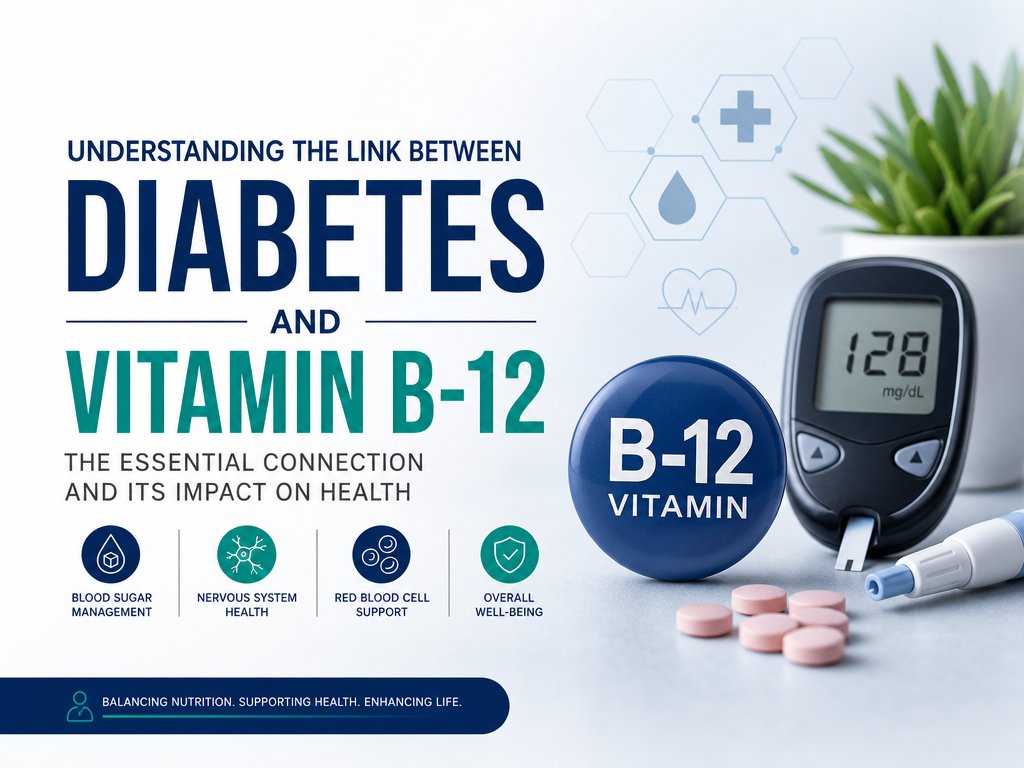
The Importance of Vitamin B-12 for Health
Vitamin B-12 plays a crucial role in maintaining a healthy nervous system and ensuring the proper formation of blood cells. This essential vitamin is primarily obtained from dietary sources such as meat, fish, poultry, and dairy products. A consistent intake of these foods is crucial, as a lack of them can lead to a deficiency, which may affect the production of DNA and result in anemia. The deficiency of Vitamin B-12 is not just about blood health; it also affects energy levels, mood, and even cognitive function. Over time, inadequate B-12 levels can contribute to difficulties in concentrating, severe fatigue, and general feelings of malaise or depression.
Risk Factors for Vitamin B-12 Deficiency
Individuals following a vegetarian or vegan diet are at higher risk of B-12 deficiency since this vitamin is predominantly found in animal products. Fortunately, some fortified foods, like breakfast cereals and energy bars, may offer additional sources. People should also consider plant-based milk alternatives, like soy, almond, or oat milk that are fortified with B-12. Nevertheless, it remains important for those on restricted diets to regularly monitor their vitamin levels through routine check-ups.
Efficient absorption of B-12 is essential, and certain medications, such as proton pump inhibitors used for acid reflux, may interfere with this process. Furthermore, as people age, their ability to absorb B-12 can decrease due to changes in the digestive system, like reduced stomach acid. Low B-12 levels can lead to significant health complications, including anemia. Neurological issues are also a major concern; for instance, peripheral neuropathy, characterized by numbness, pain, and tingling sensations, can arise due to persistent deficiencies, which if left untreated, might lead to irreversible damage. Other medications, like those taken for diabetes or metformin, can also lower B-12 absorption.
Diabetes, Neuropathy, and the Role of B-12
Neuropathy, or nerve damage, is a common complication for individuals with diabetes, often resulting from prolonged high blood glucose levels. The symptoms can be quite similar to those of a B-12 deficiency, manifesting as discomfort in affected areas such as the limbs and even within the gastrointestinal tract, potentially complicating diagnosis and treatment.
The intersection of diabetes and B-12 deficiency further increases the risk of nerve damage, necessitating heightened awareness and the need for early intervention. Managing both conditions effectively can minimize the potential for overlapping symptoms and reduce the likelihood of severe complications. Regular monitoring by healthcare professionals can be pivotal in this regard.
Diagnosis and Treatment
Early symptoms of B-12 deficiency may be subtle and easily overlooked, yet they should not be ignored. A simple blood test can confirm low levels, helping guide subsequent dietary adjustments or supplementation. Adults generally require around 2.4 micrograms daily, with children needing between 0.4 and 1.8 micrograms, depending on their age. Women who are pregnant or breastfeeding have increased needs.
For individuals with diabetes or specific absorption issues, such as those that might be related to gastrointestinal surgeries or diseases, B-12 injections may be necessary to ensure adequate levels. Consulting with a healthcare provider is recommended to receive tailored advice and personalized treatment plans, crucial for preventing severe complications and preserving nerve health. Oral supplements and nasal gels are also available options for individuals based on their specific health needs and dietary preferences. Additionally, innovative treatments in development may provide all-encompassing solutions to streamline vitamin intake.
Conclusion
The interplay between diabetes and vitamin B-12 deficiency highlights the critical importance of monitoring and managing both conditions diligently. Timely intervention can help safeguard nerve health and overall well-being, ensuring that individuals maintain a high quality of life and are better equipped to handle the potential challenges associated with these health concerns. Empowering individuals with the necessary knowledge and resources allows them to take proactive steps in their health care, thereby fostering a holistic approach to wellness. Awareness of these conditions is crucial in maintaining overall health, and empowering people with information about dietary choices and medical guidance is vital in achieving long-term health benefits.