Introduction to Teeth Whitening Strips
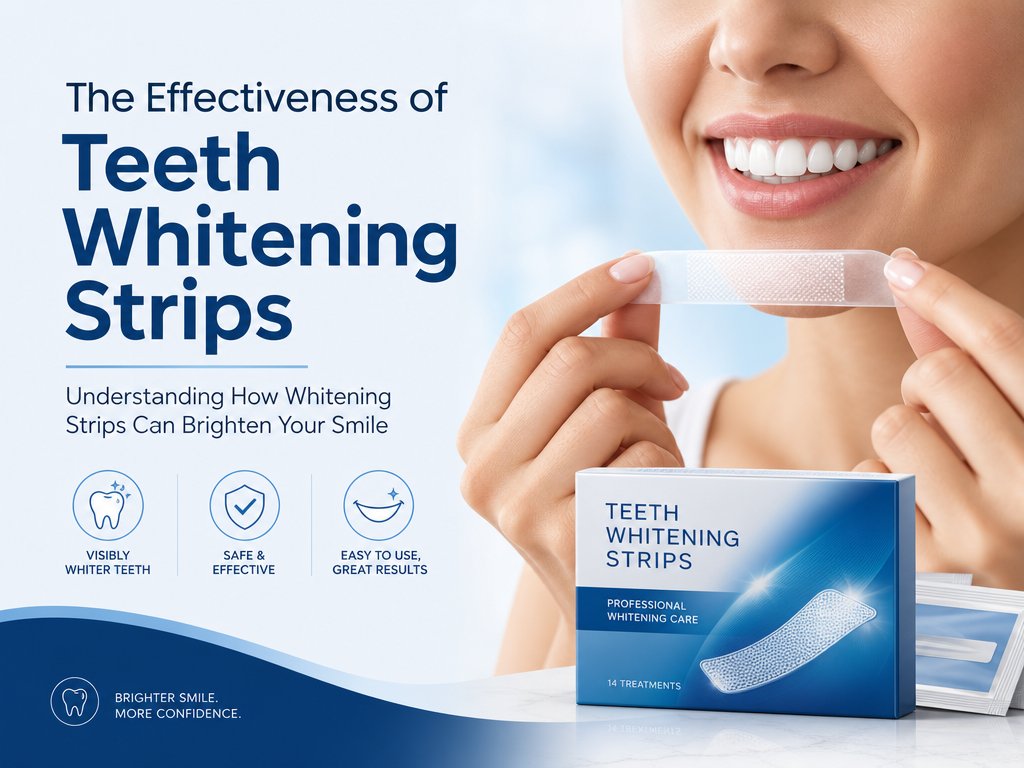
Teeth whitening strips have increasingly gained popularity as an accessible solution for brightening smiles. First appearing in the marketplace during the 1980s, these strips claim to lighten teeth by a shade or two in just a matter of days, providing users with noticeable improvements and increased confidence. These easy-to-use strips have opened the door to at-home cosmetic dental treatments that were once only available in professional settings, offering the convenience of enhancing one’s smile from the comfort of home. The growing interest in cosmetic dental care and self-improvement has fueled the demand for such user-friendly, cost-effective products. With a variety of options available, consumers can choose from multiple brands and formulations to meet their specific needs and preferences.
Do Whitening Strips Really Work?
The short answer is yes. Teeth whitening strips can effectively lighten your teeth by a shade or two. However, their efficacy is generally less than what can be achieved with in-office dental whitening procedures. The results from whitening strips are largely dependent on the initial condition of the user’s teeth and the severity of discolorations. Most home solutions are suitable for minor discoloration but aren’t as powerful or fast-acting as professional treatments. Nevertheless, for many users, the convenience and affordability of whitening strips make them worth considering despite some limitations. While professional treatments often offer longer-lasting results, strips provide a cost-effective alternative. Over time, regular use of whitening strips can help maintain a whiter appearance, delaying the need for more expensive dental services.
How Do Whitening Strips Work?
Whitening strips typically contain hydrogen peroxide or carbamide peroxide, which work by bleaching stains. These ingredients penetrate the enamel and reach the dentin where they break down pigmented molecules known as chromogens. This process helps remove both extrinsic and intrinsic stains caused by dietary habits, aging, and other factors. Most strips are designed to apply snugly to the teeth, ensuring that the bleaching agents are in constant contact with the tooth surface. The regular use of strips as directed can contribute to the gradual lightening of the teeth, making them a preferred choice for those seeking moderation in whitening. It’s essential to use the strips consistently for optimal results and to follow any specific usage instructions provided by the manufacturer.
Safety and Side Effects
Although effective, whitening strips can lead to tooth sensitivity and gum irritation. These side effects are often mild and temporary, resolving without requiring intervention. However, the risk increases with higher peroxide concentrations or prolonged use. Users might experience heightened sensitivity to temperature changes or discomfort when consuming particular foods and drinks. Some products may also contain chlorine dioxide, an ingredient that can be more abrasive and damaging to the enamel, making this a contentious choice among dental professionals. It’s advisable to follow the product’s instructions closely to minimize any risks and consult with a dentist if adverse reactions occur. Properly assessing your dental health before using such products can help prevent unnecessary complications and ensure safe usage.
When to Seek Professional Whitening
For significant staining, seeking professional whitening at a dental office is recommended. Dentists use stronger bleaching solutions and can tailor treatments to your specific needs and oral health status. They also possess the expertise to manage any pre-existing dental conditions that could affect the whitening process. Home products, while convenient and generally safe for self-use, may not suffice for more severe discoloration or complex cases, necessitating the expertise and tools available through professional services. Professional treatments can offer more tailored results, often leading to brighter and more uniform coloring across all teeth. Consulting a professional will also provide insight into the best strategy for achieving your desired level of whiteness based on your oral health history.
Maintaining Your Bright Smile
Good oral hygiene and dietary mindfulness are crucial in helping preserve the whiteness achieved through whitening treatments. It’s important to note that whitening treatments do not affect fillings, crowns, or other dental work, which could result in mismatched coloring if only natural tooth structures are lightened. Avoiding stain-inducing substances like coffee, tea, and tobacco can prolong results. Regular dental check-ups and cleanings can also aid in maintaining your brightened smile. Dentists often advise using a gentle toothpaste designed for sensitive teeth to lessen any potential discomfort after whitening. Establishing a consistent oral care routine, including flossing and using mouthwash, can further enhance the longevity of whitening results.
Conclusion
In summary, teeth whitening strips offer a convenient method to subtly enhance your smile, particularly suitable for small touch-up tasks and maintaining already whitened teeth. Consulting with a dentist before beginning any whitening regimen is advisable, especially to ensure product safety and effectiveness for your specific circumstances. When selecting a product, look for those bearing the ADA Seal of Acceptance for added reassurance of safety and efficacy. As with all cosmetic procedures, balancing desired outcomes with potential risks and costs is essential for making the best personal choice. Consider your lifestyle and preferences when deciding between at-home treatments and professional whitening services. If you are unsure about the appropriate method for you, a dental professional can provide valuable guidance tailored to your needs.