Understanding Sleep Strokes
Strokes, often resulting from blocked arteries or ruptured blood vessels in the brain, can occur during sleep. These are called “wake-up strokes,” presenting unique challenges because symptoms typically become noticeable only when the individual wakes up. This delayed realization can have serious implications on the effectiveness of treatment as well as on recovery, emphasizing the need for heightened awareness.
Prevalence and Challenges of Sleep Strokes
Research suggests that approximately 20% of all acute ischemic strokes occur during sleep, making it challenging to determine the exact onset time. This uncertainty tends to delay medical intervention, potentially exacerbating brain damage by postponing crucial treatment windows.
Understanding Cause and Effect
Studies conducted since 2017 highlight the prevalence of wake-up strokes, suggesting they could account for as much as a third of all strokes. Despite ambitious research efforts over the years, the underlying causes remain only partially understood, calling for further investigation in this field to improve prevention and treatment.
The lack of immediate awareness poses a grave risk, as any delay in treatment can significantly increase mortality rates and the risk of long-term complications, making prompt action essential.
Recognizing Symptoms and Acting FAST
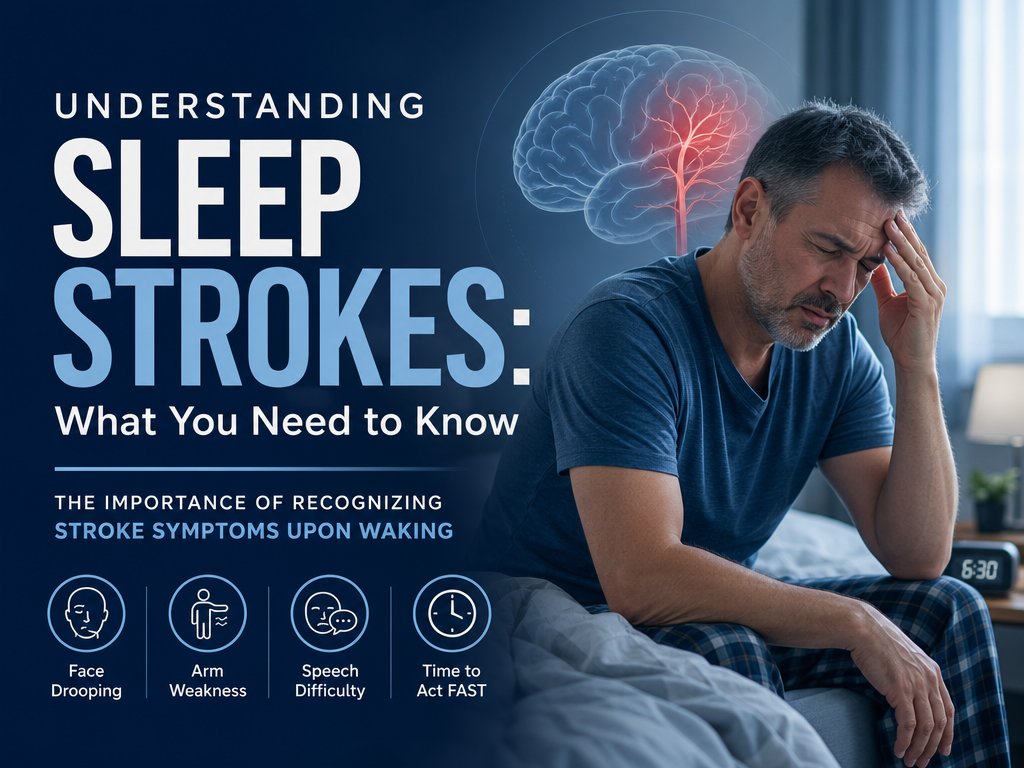
Identifying a stroke promptly is crucial for reducing its impact. The FAST acronym—Face drooping, Arm weakness, Speech difficulty, and Time to call emergency services—serves as a vital guide for recognizing stroke symptoms and ensuring a swift medical response. Immediate action in the presence of these symptoms can greatly influence outcomes and improve recovery prospects.
Steps to Mitigate Risk
While genetic and non-modifiable factors influence stroke risk, certain lifestyle changes can substantially reduce it. Avoiding smoking, limiting alcohol consumption, managing existing health conditions, and maintaining a healthy lifestyle are essential preventive measures. These actions can lead to a healthier cardiovascular system, thereby substantially reducing stroke risks.
Regular exercise, a balanced diet, and adequate sleep play a critical role in heart health, which in turn decreases the risk of stroke significantly. Furthermore, continuous monitoring of blood pressure, strict control of diabetes, and keeping cholesterol levels within normal ranges are crucial strategies in the effort to reduce stroke risk. Adhering to these practices can mean the difference between experiencing a stroke and maintaining long-term health.
The Takeaway
Sleep strokes necessitate immediate medical attention once symptoms are suspected. Given their potential prevalence, awareness and swift action are paramount in both treatment and recovery outcomes.
If you notice any stroke symptoms upon waking, seeking immediate professional medical help is crucial for recovery. Acting quickly may drastically improve both prognosis and recovery for those experiencing a stroke. Prompt action can make the difference not just in saving lives, but also in enhancing the quality of life following such an event. The need for education and alertness about stroke signs is more important than ever for individuals and communities alike.
The consensus among medical professionals is that awareness, preparedness, and education on stroke symptoms are critical. Disseminating knowledge about stroke indicators and ensuring that people know how to respond in emergency situations is vital. This education should extend to communities, workplaces, and educational institutions to create a well-informed society capable of handling stroke emergencies swiftly.