Introduction to Herpes Simplex Virus
Herpes is a widespread viral infection triggered by the herpes simplex virus (HSV). This pathogen exists in two main forms: type 1 (HSV-1), which typically impacts the oral region, and type 2 (HSV-2), which primarily affects the genital and anal areas. Understanding the distinctions and characteristics of these variants is crucial for effective management and treatment.
Antiviral Medications for Herpes
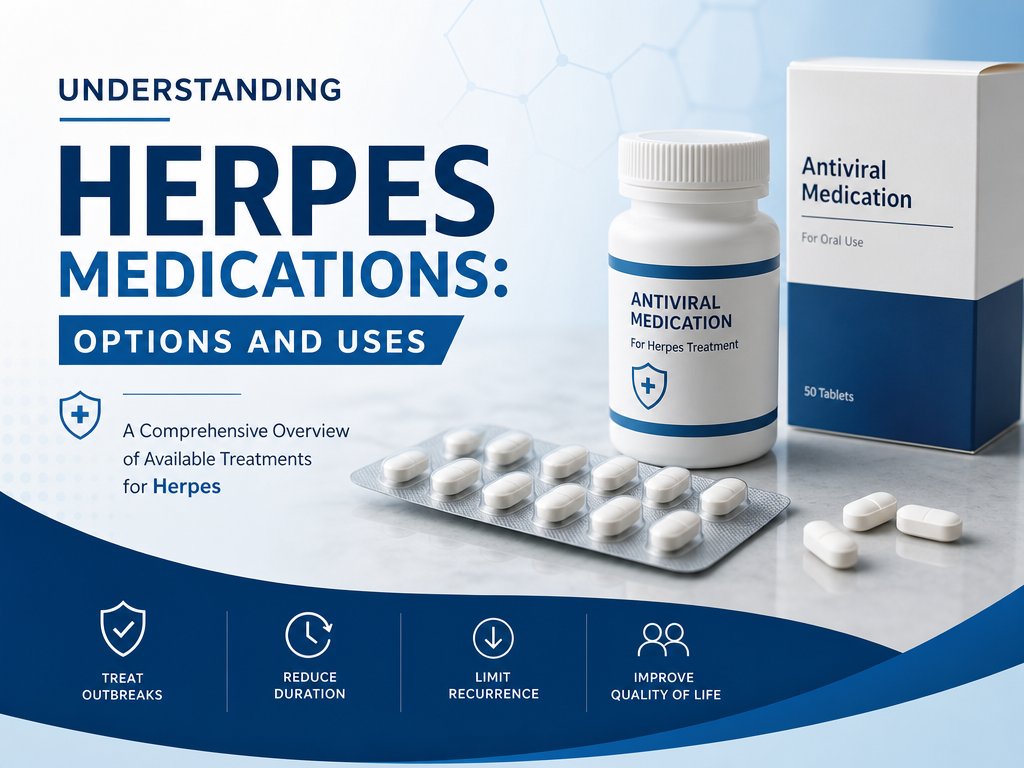
Antiviral drugs are specifically designed to manage and alleviate HSV symptoms by preventing the virus from multiplying within the body. These medications do not cure herpes but can significantly reduce the severity and frequency of outbreaks.
Acyclovir
Acyclovir, available both as generic and branded versions, is a commonly prescribed antiviral. It can be administered orally as tablets, capsules, or suspensions and is also available as an injectable form. One noted brand version is Zovirax, which is available as a topical cream or ointment. Verese is another topical treatment option. The FDA approves acyclovir for treating genital herpes and HSV encephalitis. However, it is often prescribed off-label for oral herpes, offering flexibility for treating different HSV manifestations.
Valacyclovir
Valacyclovir is an oral tablet prescribed for the treatment of both oral and genital herpes. It is part of the antiviral family and is utilized in managing eczema herpeticum, a dermatological complication that can follow an HSV infection. Speaking with your healthcare provider can provide further insight into its appropriate use and duration of treatment for your specific condition.
Famciclovir
Famciclovir is a generic oral medication employed to treat cold sores and genital herpes. It is also indicated to help prevent recurrent episodes of these conditions. Conversations with healthcare providers can provide personalized advice on proper dose regimens and potential side effects that may accompany its use.
Penciclovir
Penciclovir, available as a prescription topical cream marketed under the brand name Denavir, is primarily used for treating recurring cold sores. Patients should discuss usage instructions and potential side effects with a healthcare professional to ensure effective treatment and to avoid adverse reactions.
Docosanol (Abreva)
Docosanol is an FDA-approved over-the-counter topical cream formulated to treat recurring oral herpes lesions on the face or lips. While further research is needed to fully understand its efficacy, it has shown potential in shortening the healing duration for HSV-induced oral lesions. Using it as instructed can lead to better management of cold sore outbreaks.
Non-Prescription Options and Considerations
For individuals experiencing mild and recurring oral herpes symptoms, non-prescription methods or home remedies may offer relief. It is advisable to consult a physician before opting for over-the-counter solutions to ensure their safety and suitability for the given symptoms.
Understanding Transmission and Symptoms
Herpes simplex virus can be transmitted even when individuals show no visible symptoms, primarily through oral or genital contact. Antiviral treatments aim to alleviate the painful and uncomfortable symptoms associated with HSV, typically experienced as minor and resolving within a few days. However, for those with weakened immune systems, symptoms may be more pronounced and demand careful medical oversight.
For a comprehensive understanding and management of HSV infections, healthcare professionals offer valuable guidance on the types of HSV, potential symptoms, and the most appropriate treatment strategies. Ensuring open communication with healthcare providers is key to tailor-made treatment plans that address individual health needs and lifestyle considerations.