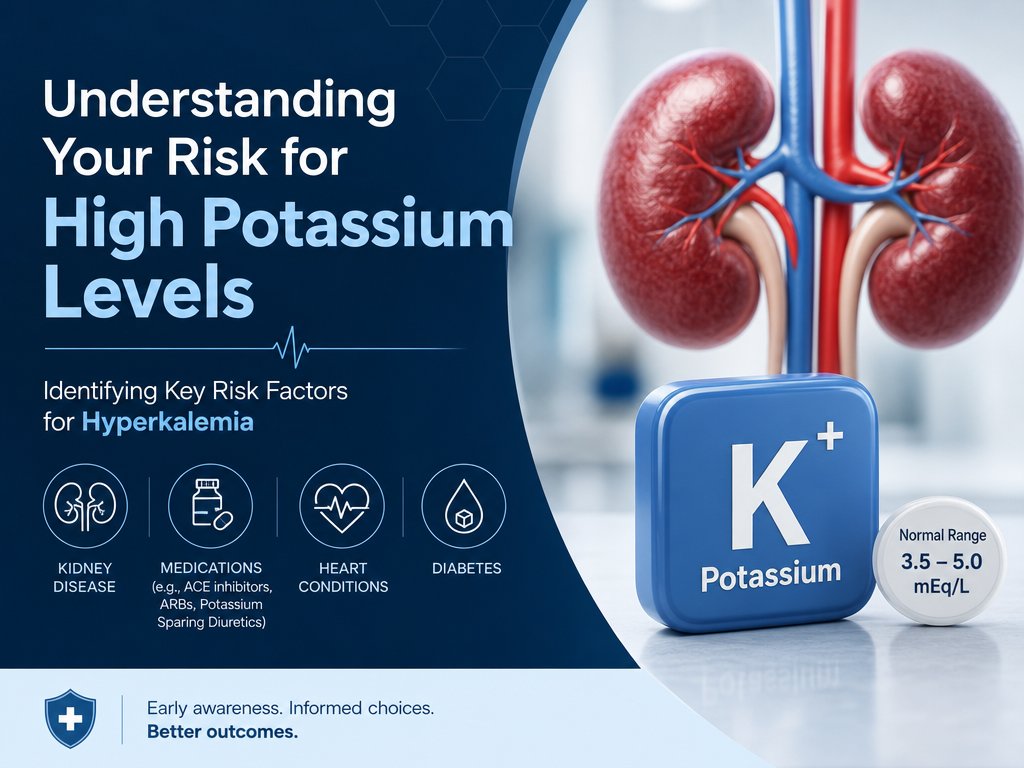
Introduction to Hyperkalemia
A delicate balance of electrolytes, which includes potassium, is vital for the body’s proper functioning, especially in nerve and muscle coordination. An excess of potassium in the blood can lead to irregular heartbeats and potentially severe health complications. The heart and muscles rely on the correct concentration of potassium to carry out their functions effectively and smoothly.
Understanding Hyperkalemia
Hyperkalemia is characterized by an elevated level of potassium in the bloodstream, posing significant risks, particularly for certain groups. These elevated levels can interfere with crucial physiological processes, necessitating immediate and precise medical attention.
Who is at Risk?
While anyone can develop this condition, specific risk factors make some individuals more susceptible to hyperkalemia than others. These include individuals suffering from chronic illnesses or those taking certain medications, especially those that impact kidney function.
Role of Kidneys in Potassium Balance
The kidneys are crucial in maintaining the body’s potassium balance. When kidney function is impaired, there is a significantly increased risk of electrolyte imbalances. This highlights the importance of regular kidney function monitoring in individuals at risk. This combination of factors makes monitoring and adjustments in treatment plans crucial for maintaining proper sodium and potassium balance.
Chronic Kidney Disease
Running parallel with the kidneys’ role, Chronic kidney disease (CKD) is one of the primary causes of hyperkalemia, affecting up to 73% of individuals with the condition. CKD interferes with the kidneys’ ability to filter and expel excess potassium from the body, compounding the complexity and severity of the condition.
Other Medical Conditions
In addition to CKD, several other medical conditions can increase the risk of elevated potassium levels, including certain endocrine disorders and acute illnesses. Ensuring proper diagnosis and treatment can help mitigate risks associated with elevated potassium levels in such cases.
Medications and Supplements
Some medications, notably those prescribed for controlling blood pressure, as well as over-the-counter drugs and supplements, can trigger hyperkalemia. Individuals with kidney disease should exercise caution with herbal supplements, as these also impact potassium levels. Such supplements may have hidden or unexpected potassium content.
Consulting Healthcare Providers
It is crucial to discuss with your healthcare provider any medicines that might influence potassium levels. Adjustments to medication or enhanced monitoring might be required to manage these effects effectively. Your healthcare provider may need to conduct specific blood tests to regularly monitor your potassium levels and make necessary changes.
Diet’s Role in Managing Hyperkalemia
Dietary choices have a significant impact on potassium levels. Following a diet centered around low-potassium foods can aid in managing the risk effectively. Foods high in potassium, such as bananas and avocados, should be consumed in moderation. Mapping out a suitable diet plan with a professional is highly advisable.
Managing Your Diet
You should consult a healthcare provider or a dietitian to get advice on making the right dietary adjustments. Achieving balance is crucial since an insufficient potassium intake can also be detrimental. They can help tailor a dietary plan that aligns with your health needs.
Be attentive to portion sizes, even when consuming low-potassium foods. Techniques like leaching can reduce potassium content in foods such as potatoes and carrots, by cutting them into small pieces and soaking them in water before cooking. Dietitians might suggest additional methods to prepare foods that help lower potassium content.
Conclusion
Hyperkalemia, if not managed, can result in grave heart complications. Therefore, if you are at risk, it is vital to take proactive steps to mitigate potential triggers. Regular monitoring and reviewing your medications, diet, and overall health condition with your healthcare provider are key strategies to effectively managing your risk factors and ensuring long-term health and wellbeing. Seeking consistent medical advice and conducting routine blood tests are essential measures in maintaining a healthy lifestyle. Working closely with healthcare professionals provides steady guidance on up-to-date management strategies and helps mitigate long-term risks.