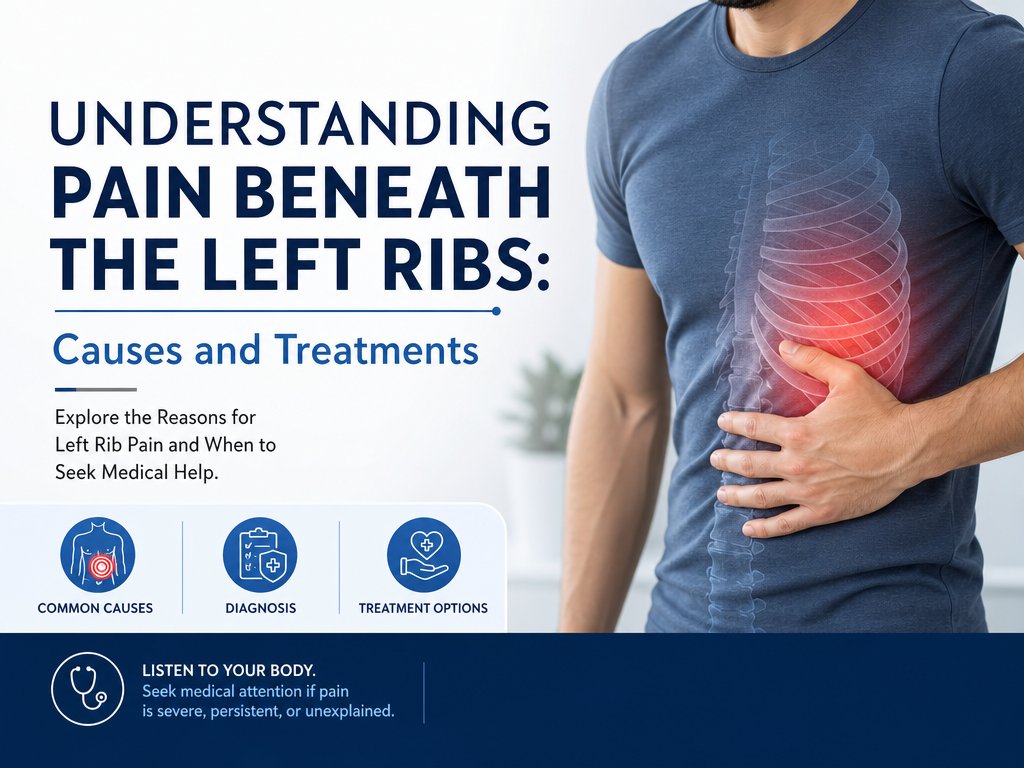
Introduction to Left Rib Pain
Experiencing discomfort beneath the left ribs can be concerning, often triggering worries about critical health issues. While cardiovascular-related causes, such as a heart attack, are possible, numerous other factors could be responsible for this pain. Each condition may require different approaches to diagnosis and management, emphasizing the importance of seeking medical advice for persistent pain.
Heart Attack and Other Urgent Causes
Chest pain from a heart attack may present as sharp or dull aches under the left ribs. Immediate medical attention is crucial if a heart attack is suspected, as timely intervention can be lifesaving, reducing the risk of permanent heart muscle damage. Additionally, rib injuries resulting from accidents or falls can lead to significant pain on the left side, sometimes mimicking symptoms of more severe conditions. These injuries might cause bruising, fractures, or even lung complications.
Costochondritis
The inflammation of cartilage connecting the ribs to the breastbone, known as costochondritis, typically results in sharp pain at the left rib cage. This pain often worsens with physical pressure or movement around the affected area, necessitating an accurate assessment to rule out more critical conditions. Treatment often involves anti-inflammatory medications, rest, and sometimes physical therapy to help resolve the issue.
Rib Injuries
Blunt trauma to the chest can lead to bruising or fracturing of ribs, causing pain that can be exacerbated by breathing or movement. In some cases, severe rib injuries can lead to complications like pneumothorax, where air gets trapped between the lung and chest wall, requiring urgent medical attention. Recovery might necessitate immobilization or even surgical intervention in severe cases to ensure proper healing and to mitigate risks of further complications.
Digestive System Conditions
Numerous gastrointestinal issues, such as IBS (Irritable Bowel Syndrome) or IBD (Inflammatory Bowel Disease), can manifest as persistent abdominal pain that extends to the left ribs, coupled with digestive disturbances. Gastritis, which involves inflammation of the stomach lining, can also cause discomfort near the rib area, sometimes accompanied by nausea and bloating. Lifestyle modifications and medications can usually manage these conditions effectively, ensuring patients maintain a better quality of life by controlling symptoms.
Pancreatitis
The pancreas, located on the left side of the abdomen, can become inflamed, a condition known as pancreatitis. This condition is characterized by intense pain and often accompanies other symptoms such as nausea, vomiting, and elevated heart rate, requiring prompt medical treatment to prevent complications like infection or pancreatic necrosis. Hospitalization may be necessary in acute cases for IV fluids and pain management. A focus on lifestyle changes, such as diet modification, may aid long-term recovery and prevention of future episodes.
Spleen and Kidney Issues
An enlarged spleen, known as splenomegaly, may cause tender pain beneath the left ribs. This enlargement can occur due to infections, liver diseases, or hematologic conditions. Meanwhile, kidney issues, whether infections or stones, can radiate pain to this region and often necessitate imaging or blood tests to confirm the diagnosis and determine appropriate treatment. Treatments may range from medication to surgical procedures in more severe scenarios, with preventive measures often being implemented to avoid recurrence.
Lung and Heart Inflammation
Inflammation of the lining of the heart, known as pericarditis, and inflammation of the lung lining, termed pleurisy, can both induce sharp rib pain. These conditions often require further examination by healthcare providers to ensure an accurate diagnosis. Treatments often involve anti-inflammatory medications and monitoring to prevent complications, especially if there is fluid accumulation affecting organ function. In some cases, surgical drainage may be required to alleviate symptoms and restore normal function.
Diagnosing Left Rib Pain
Healthcare professionals typically use a combination of physical examinations and imaging tests, such as ECGs, X-rays, CT scans, or MRIs, to diagnose the underlying causes of rib pain. Blood, stool, and urine tests might be conducted to identify potential organ-related issues or infections. This comprehensive approach helps in distinguishing between numerous possible conditions that can result in left rib pain, allowing for tailored treatment plans that address specific causes efficiently, thereby helping alleviate the discomfort while focusing on long-term health solutions.
Treatment and Conclusion
Management of rib area discomfort generally involves the use of NSAIDs for pain relief. Depending on the diagnosis, antibiotics may be prescribed if an infection is present. For severe conditions like obstructive kidney stones or significant internal injuries, surgical intervention might be necessary. Due to the complexity and broad range of potential causes, persistent or severe left rib pain should always prompt a visit to a healthcare professional. Accurate diagnosis and effective treatment hinge on professional medical evaluation to address the specific underlying cause of the pain and to prevent any further complications. This ensures targeting the root cause, whether it needs medication, surgery, or lifestyle changes. Consistent follow-up care is often essential to monitor progress, adjust treatments as needed, and safeguard against potential recurrences.