Definition of Impaired Taste
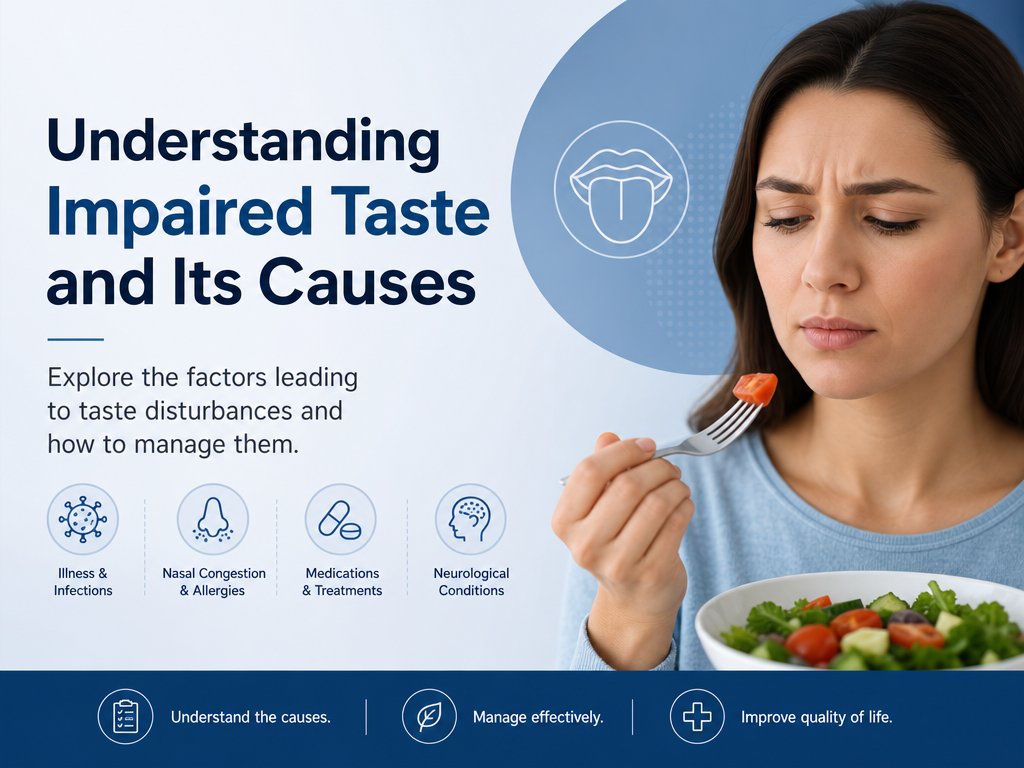
Impaired taste refers to any disruption in your ability to taste, whether as a change in how food tastes or a complete loss of taste. This sensory impairment can affect daily eating habits, nutrition, and overall quality of life, leading to potential long-term health consequences if not addressed. This condition, often referred to as dysgeusia when it involves alterations in taste, can influence the enjoyment of food and beverages, altering eating patterns and potentially leading to nutritional deficiencies if the problem persists without intervention or proper management.
Causes of Impaired Taste
Medical Conditions and Aging
While impaired taste is often a temporary issue, it can be due to various causes, with the common cold or more significant neurological issues being notable contributors. Aging also contributes significantly, impacting about 53% of older adults, often diminishing their taste sensitivity and acuity. Age-related reduction in taste sensitivity can result in a decreased ability to distinguish between different flavors, thereby affecting appetite and nutritional intake.
Nutritional Deficiencies
Zinc and vitamin B12 deficiencies are significant factors that can alter taste perception. Folate deficiency, often resulting in additional symptoms like muscle weakness and anemia, also impacts taste perception. Addressing these nutritional gaps is crucial for restoring normal taste function. Maintaining a balanced diet rich in essential vitamins and minerals is important to support effective taste function and overall sensory health. Regular nutritional assessments and consultations with healthcare providers can assist in identifying and addressing these deficiencies effectively.
Medications
Some medications can alter taste by directly affecting taste buds or causing dry mouth. This includes medications that introduce a metallic or bitter flavor, commonly observed with certain antibiotics, antihistamines, and medications for high blood pressure. Patients should consult their healthcare providers to explore alternative medications or dosage adjustments if drug-induced taste changes affect their quality of life significantly. Enhanced communication with healthcare professionals ensures the most appropriate therapeutic decisions are made.
Lifestyle Factors
Smoking and gum inflammation are additional causes. Smoking damages nerve cells related to taste, and quitting can help recovery. Inflammation from diseases like gingivitis can create unpleasant tastes in the mouth. A healthy lifestyle and regular dental check-ups can mitigate these effects. Additionally, practicing good oral hygiene and avoiding tobacco can help preserve taste sensitivity and prevent further deterioration of taste function. Engagement in community support programs for smoking cessation can also be beneficial.
Nervous System Disorders
Disorders affecting the nervous system can impair taste. These disorders interfere with the brain’s ability to interpret taste signals properly. Conditions such as Alzheimer’s disease, Parkinson’s disease, and multiple sclerosis can be implicated in such disruptions, highlighting the complex interaction between neurological health and taste sensation. Early diagnosis and management of neurological conditions are essential to mitigate their impact on taste function. Referral to a neurologist for specific assessments may be necessary.
Smell Disorders
The senses of taste and smell are closely linked, and issues with smell can significantly affect taste perception. Older adults, particularly men, might experience smell disorders that could impact taste. Conditions such as sinusitis, nasal polyps, or even seasonal allergies might compromise olfactory functions, leading to altered taste experiences. Addressing smell disorders can often improve taste, as these senses are interconnected and depend on one another for a complete evaluation of flavors. Visiting an otolaryngologist can provide targeted treatment for these issues.
Treatment and Management
Medical Interventions
Treatments should target the underlying conditions. Antibiotics can tackle infections, while decongestants address cold or allergy-related deficits. Nutritional changes and supplements can correct deficiencies, helping restore normal taste function over time. It’s important for patients to work closely with healthcare professionals to identify specific causes and receive personalized treatment plans that address individual needs and restore their sense of taste effectively. Ongoing monitoring and follow-up appointments are recommended.
Lifestyle Adjustments
Quitting smoking often leads to taste improvement within a week. Proper dental hygiene, including regular brushing, flossing, and dental visits, can also enhance taste by reducing the effects of gum diseases and maintaining overall oral health. Incorporating healthy eating habits and staying hydrated can further support taste recovery and ensure that individuals enjoy food more fully. Engaging with nutritionists for tailored dietary plans may enhance recovery outcomes.
Conclusion
If you face persistent taste issues, seek medical advice to determine the cause and appropriate treatment options. Following medical guidance and making necessary lifestyle changes can significantly improve taste sensation, enhance dietary satisfaction, and contribute to better health and well-being. Early intervention and comprehensive management strategies can restore taste function and improve the overall quality of life for individuals experiencing taste impairments. Health awareness campaigns can play a critical role in educating the public about these issues.