Introduction to Medicare Advantage Plans
Medicare Advantage Plans, commonly known as Part C, offer a consolidated solution for beneficiaries wishing to unify their Medicare coverage under a single plan. These plans encompass various types, including Health Maintenance Organizations (HMOs) and Preferred Provider Organizations (PPOs). They aim to provide a streamlined approach, making it easier for individuals to manage their healthcare needs efficiently while enjoying additional benefits beyond traditional Medicare.
PPO Plans: Flexibility with Added Costs
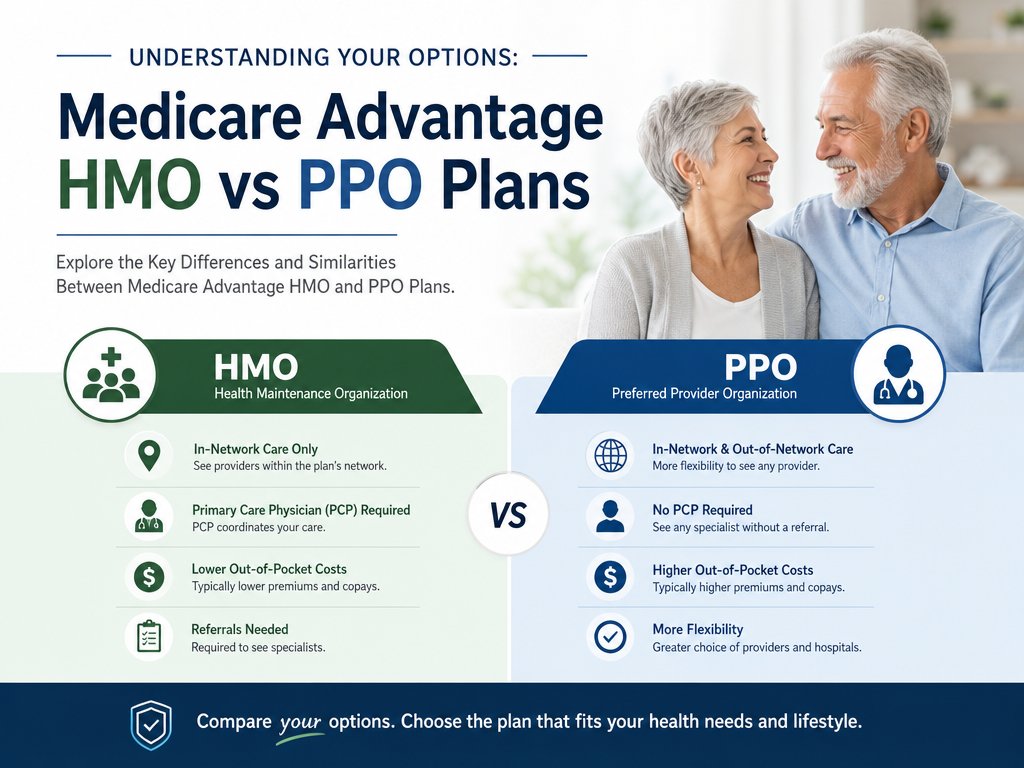
PPO plans are specifically designed to cater to individuals who value the flexibility of choosing between both in-network and out-of-network healthcare providers. A defining feature of PPO plans is that they do not require beneficiaries to select a primary care physician (PCP) or to obtain referrals for specialist consultations. This allows for greater freedom when scheduling appointments and choosing healthcare services. However, this increased flexibility generally comes with higher costs, as in-network services are more cost-effective compared to out-of-network services. Beyond the standard Medicare Advantage coverage, many PPO plans provide additional benefits such as dental and vision care. The specific offerings and costs of each plan can vary significantly, making it imperative to conduct thorough research into the options available in one’s local area to ensure that the plan fits one’s healthcare needs and budget.
HMO Plans: Cost-Effectiveness with In-Network Services
On the other hand, HMO plans primarily focus on cost-effectiveness by encouraging the use of in-network services. HMO plans restrict the use of out-of-network providers, with exceptions typically for emergencies, urgent care occurring outside the designated area, and dialysis treatments. Members of an HMO plan must select an in-network primary care physician (PCP) and obtain referrals for specialist visits, ensuring that their healthcare remains coordinated and cost-effective. While HMO plans cover standard Medicare Advantage services, they often include additional perks such as gym memberships and transportation services for medical appointments, which are tailored to enhance overall member well-being and convenience.
Cost Structure and Considerations
Both PPO and HMO plans incorporate common elements such as premiums, deductibles, and out-of-pocket maximums. However, each plan is uniquely structured by private insurers, meaning that the specific cost details can vary widely. Understanding the particular coverage and expenses associated with each plan is crucial to making an informed decision. Beneficiaries should carefully consider their own medical and financial circumstances in the context of each plan’s offerings. Even though foundational costs such as premiums are similar, differences in how services are accessed and the financial impacts of network usage can vastly influence the overall experience of each type of plan.
Making the Right Choice for Your Needs
The decision-making process when choosing between a Medicare Advantage HMO and PPO plan is notably influenced by individual healthcare needs and financial considerations. Both plans offer the advantage of comprehensive coverage within a single framework, yet their differences in terms of flexibility, range of coverage, and overall costs may sway a beneficiary’s final decision. Evaluating factors such as the structure of care access, cost-effectiveness, and personal health needs will ultimately guide beneficiaries in selecting the most suitable Medicare Advantage plan. It is important for individuals to review their healthcare priorities and financial capabilities to make a decision that aligns with their specific requirements and lifestyle. Key considerations include the potential need for frequent specialist care, the importance of minimal out-of-pocket expenses, and the convenience of additional benefits like fitness programs and routine dental check-ups, which may play crucial roles in the decision-making process.
Conclusion
Medicare Advantage plans stand as a convenient option for those seeking comprehensive health coverage in a single package. When evaluating HMO and PPO plans, it is important to assess the range of services, the financial impact, and personal healthcare preferences to make a well-informed decision. Understanding these nuances will enable beneficiaries to choose a plan that not only meets their immediate healthcare needs but also aligns with their long-term health goals and financial planning. Through careful consideration of these factors, individuals can navigate their Medicare Advantage options effectively, ensuring that they receive the best possible coverage for their personal circumstances. Taking into account future healthcare needs and anticipating potential changes in health status or financial conditions will also aid in selecting a plan that provides continuous and reliable coverage, accommodating any foreseeable shifts in healthcare utilization or expenditure.