Introduction
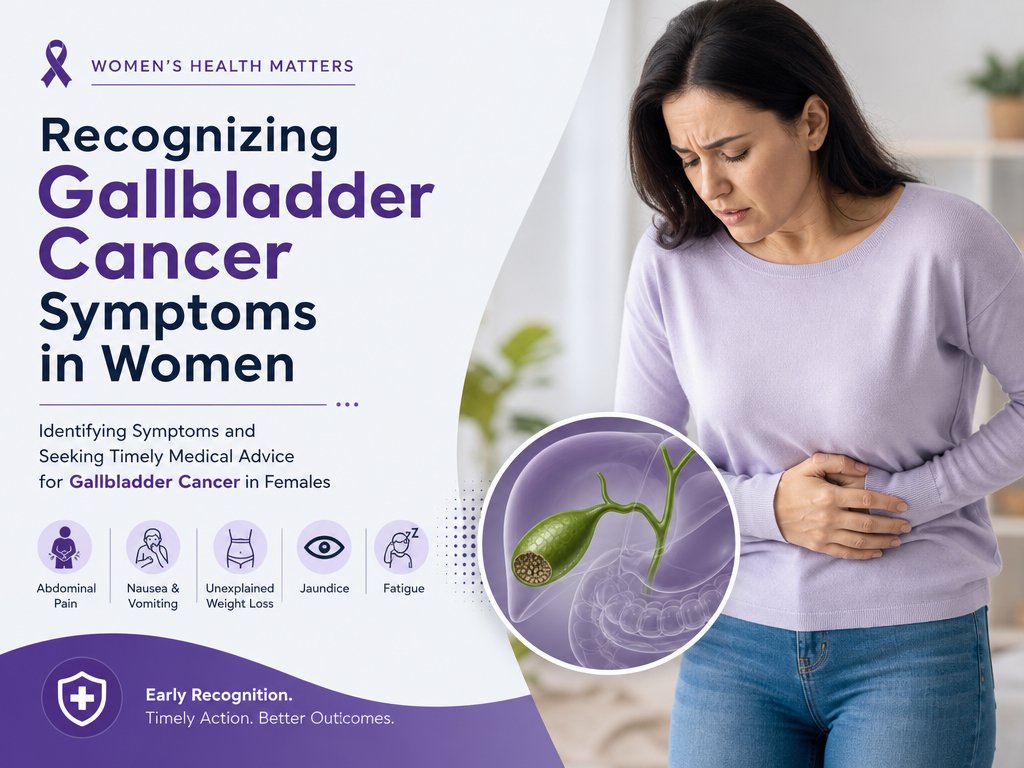
Gallbladder cancer in females can present with a variety of symptoms, some of which include jaundice, abdominal pain, and a loss of appetite. Notably, symptoms might remain absent until the cancer progresses significantly, which can unfortunately delay diagnosis and treatment. This lack of early symptoms is often a contributing factor to the advanced stage at which gallbladder cancer is frequently discovered among patients.
Understanding Gallbladder Cancer Symptoms
While gallbladder cancer is observed to be more prevalent in females, the symptoms are largely similar for both sexes. It is crucial to consult a doctor promptly if any new or worsening symptoms are noticed, as early detection can significantly impact treatment outcomes and improve prognosis. The inherent difficulty in spotting this cancer early on also highlights the importance of awareness and education regarding gallbladder cancer among both healthcare professionals and the general population.
Clarifying Sex and Gender Terminology
In this medical context, the terms “male” and “female” refer to sex as determined by chromosomes, while “men” and “women” refer to gender, a social construct recognized to vary across different cultures and time periods. Understanding this distinction is important in medical research and treatment, as both sex and gender can influence health outcomes and medical needs. It’s vital for patients and healthcare providers alike to recognize how these elements interact.
Common Symptoms
Symptoms typically emerge as gallbladder cancer progresses beyond its initial stages. They can include abdominal pain, jaundice, unexplained weight loss, a loss of appetite, and an enlarged gallbladder detected during medical examinations. These symptoms might be vague and are easily attributed to more common conditions, underscoring the importance of thorough medical evaluations when persistent symptoms are present. Early medical attention can lead to a timely diagnosis, which is crucial for effective treatment.
Diagnosis and Risk Factors
Gallbladder cancer, more common in females, often surfaces incidentally during procedures for other conditions like gallstones. It’s essential to obtain a diagnosis promptly due to its non-specific symptoms, similar to those of various conditions, which can lead to misdiagnosis or delayed diagnosis. Risk factors include a history of gallstones, chronic inflammation of the gallbladder, specific genetic predispositions, and more. Understanding these risk factors can guide preventive strategies.
Conclusion
The American Cancer Society indicates that gallbladder cancer is three to four times more common in females than males, predicting 6,570 women will be diagnosed with gallbladder or nearby bile duct cancer in 2025. This projected statistic underscores the need for targeted research and public health strategies to address the gender disparity and improve outcomes for all affected individuals. Addressing these disparities can lead to more equitable health solutions.
Getting in touch with a healthcare provider should be a priority for anyone experiencing symptoms, to secure an early and accurate diagnosis. Prompt medical attention can aid in staging the disease accurately and determining the most appropriate course of treatment, thereby improving the likelihood of successful outcomes. Additionally, understanding individual risk factors and focusing on preventive measures can be beneficial in reducing the incidence of gallbladder cancer in the broader population. Engaging in regular screening, particularly for high-risk individuals, can also play a critical role in early detection, offering a potential lifeline through timely intervention.