Introduction
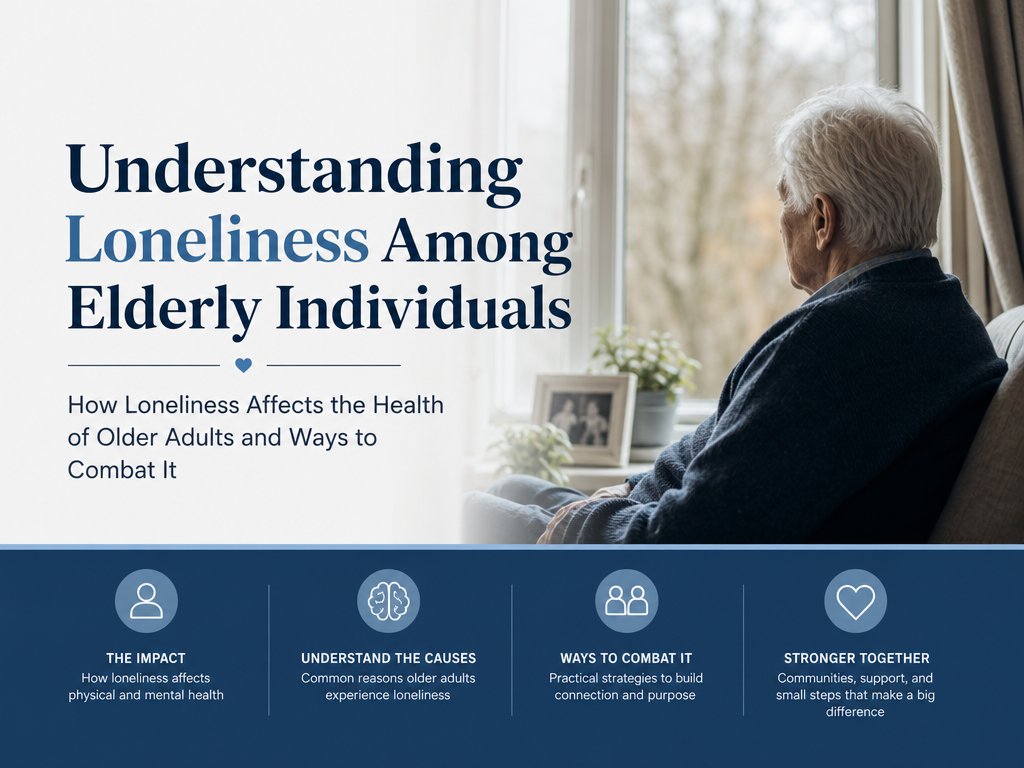
Loneliness is an increasing concern among older adults, posing threats to their physical and mental health. As individuals age, changes in their health and social interactions may heighten feelings of loneliness and isolation, leading to a variety of negative outcomes.
The Importance of Social Connections
Social connections are essential for maintaining overall well-being. As people age, they may spend more time by themselves, leading to heightened feelings of loneliness and isolation, which are often linked to an elevated risk of conditions such as depression, heart disease, and more. Strengthening social ties can greatly enhance the quality of life for the elderly, providing emotional support and improving overall health.
Distinguishing Loneliness and Social Isolation
There is a crucial distinction between loneliness and social isolation. Loneliness is characterized by distress from feeling alone, despite having the opportunity for social interaction. In contrast, social isolation pertains to minimal interaction and a lack of social contacts. Understanding this difference is particularly important in tackling these issues effectively, as each situation may require different approaches.
Prevalence and Impact
According to the World Health Organization, approximately 11.8% of older adults experience loneliness, which may have severe emotional and physical repercussions, including an increased risk for conditions like heightened hypertension, cognitive decline, and obesity. Strategies to combat these effects are increasingly necessary to preserve the health and well-being of this vulnerable population.
Combatting Loneliness
Research suggests that engaging in meaningful, productive activities can provide a sense of purpose and contribute to longevity. Encouraging older adults to take part in social activities, such as community engagement, clubs, and volunteer work, helps reduce feelings of loneliness and isolation. These activities foster a sense of belonging and purpose, combating the detrimental effects loneliness can impose on mental health.
Conclusion
For older adults, the risk of loneliness can emerge due to various factors, such as reduced mobility and significant life changes like bereavement or retirement. It is essential to promote social connections and interaction to counteract the potentially harmful effects of loneliness on emotional and physical health. By implementing effective strategies and fostering strong social networks, we can help ensure that older adults lead fulfilling and connected lives. Addressing loneliness effectively can improve quality of life and may also alleviate some burdens on healthcare systems by reducing the prevalence of loneliness-associated health issues.