Introduction
Polyps and uterine fibroids are both abnormal growths in the uterus, each presenting a unique set of symptoms and corresponding treatment options. Recognizing the differences between these conditions is crucial for accurate diagnosis and effective management, as each has distinct implications for women’s health.
Understanding Polyps and Fibroids
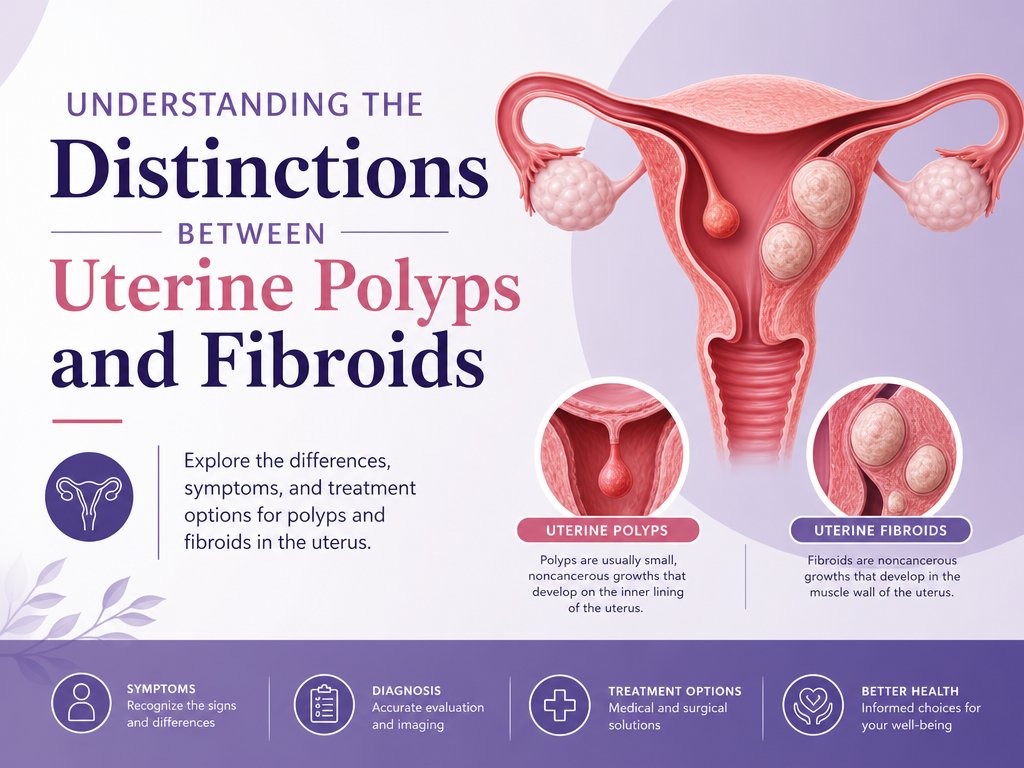
Both fibroids and polyps attach to the uterine wall, yet they are composed of different types of tissues. Fibroids consist of thick muscle tissue, whereas polyps are formed from the uterine lining, also known as endometrial tissue. Although these growths may result in similar symptoms, they vary significantly in severity, risk level, and potential complications for the affected individuals.
Symptoms and Diagnosis
Polyps and fibroids can lead to symptoms such as irregular menstrual bleeding and excessively heavy periods, though many instances might remain asymptomatic, going unnoticed for long periods. The root causes for these conditions are not entirely clear, but hormonal factors, particularly estrogen, appear to play a pivotal role. Diagnosing these conditions typically involves a combination of imaging tests and evaluations to differentiate fibroids and polyps from each other and from other conditions that present with similar clinical features.
Prevalence and Risk Factors
Fibroids are more commonly found in individuals aged 30 to 40 and are particularly prevalent among Black women. Conversely, uterine polyps are most frequently identified in women who are nearing menopause. As women approach menopause, the natural decline in estrogen levels may result in the shrinkage of these growths. Additionally, endometriosis, a related medical condition, involves the abnormal growth of endometrial-like tissue outside the uterus and presents with similar risk factors, potentially complicating diagnosis and treatment.
Treatment Options
The treatment strategy for fibroids and polyps varies based on the severity of symptoms exhibited by the individual. Options range from regular monitoring of the growths to surgical interventions or hormonal medications. For fibroids, treatment might involve a myomectomy, a procedure devised to remove the fibroids, while polyps may be addressed with minimally invasive techniques such as hysteroscopic removal. The choice of treatment largely depends on individual factors, the impact of symptoms on daily life, and overall personal health profile and objectives.
Impact on Fertility and Pregnancy
Both fibroids and polyps can have negative effects on fertility and pose various challenges during pregnancy. They can contribute to complications such as placental issues, premature delivery, and potentially cause heavy menstrual bleeding, which might lead to anemia if left untreated. Early diagnosis and management are crucial to minimizing such reproductive challenges and supporting healthy pregnancy outcomes whenever possible. Given these concerns, women who are planning to conceive are often advised to undergo thorough medical evaluations to address any potential uterine growths beforehand.
Conclusion
Addressing concerns related to polyps and fibroids requires an informed and proactive approach, including consultations with healthcare providers to ensure accurate diagnosis and comprehensive treatment planning. By understanding the unique nature of these uterine growths and considering personal health conditions and goals, women can achieve the best possible health outcomes tailored to their individual needs and circumstances. Furthermore, maintaining open communication with medical professionals, staying informed about the latest treatment advancements, and making lifestyle adjustments can play a significant role in managing these conditions effectively and improving overall quality of life. Regular check-ups and a balanced diet, alongside stress reduction strategies, can help maintain uterine health and potentially reduce the risk of complications associated with polyps and fibroids. Engaging in awareness programs can also enhance knowledge about these conditions, facilitating early detection and intervention.