Introduction to Neuroplasticity
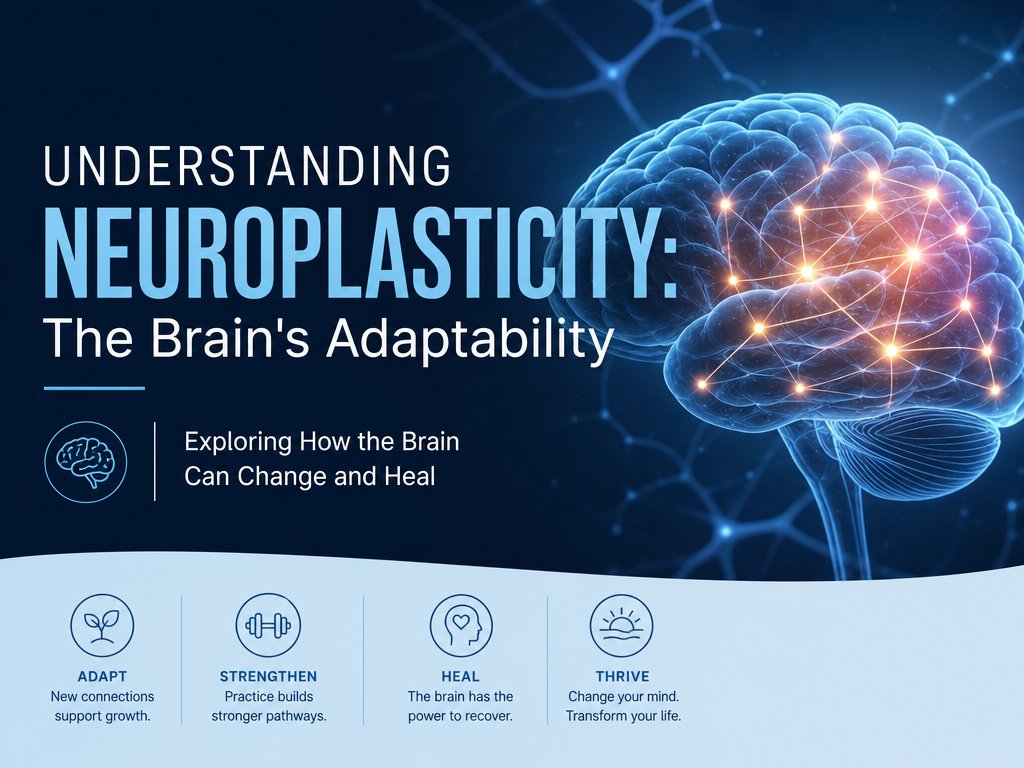
Neuroplasticity refers to the brain’s remarkable ability to reorganize itself by forming new neural connections throughout life. This dynamic process allows the brain to adjust in response to new experiences, learn new information, and even recover from injuries. Its ongoing nature ensures that the brain can constantly adapt to our evolving world and circumstances, providing the biological foundation for learning, memory, and behavioral flexibility.
How Neuroplasticity Works
The concept of neuroplasticity involves the brain’s capacity to change its structure and function as we encounter various life events. It enables us to develop new skills, adapt to changes, self-transform, and improve cognitive functions. Our brains are capable of continuous transformation, depending on our interactions and the stimulation we receive through learning and experiences. These changes happen at multiple levels, ranging from cellular changes, associated with learning, to the stripping of large-scale cortical remapping in response to injury.
Neuroplasticity is crucial for adapting to changes, whether recovering from trauma or managing new life challenges. Importantly, it means that harmful patterns and behaviors can be transformed, and skills can be enhanced. Even age-old habits and memories that no longer serve us can be altered, allowing for growth and change.
Enhancing Neuroplasticity
Several strategies can boost neuroplasticity, such as managing stress, ensuring adequate rest, and exposing oneself to novel experiences. Learning new skills, practicing mindfulness, and maintaining overall brain health can significantly alter brain pathways. Engaging in creative activities, physical exercise, and social interactions can also play a critical role in enhancing brain plasticity. Moreover, incorporating mind-stimulating games and puzzles into daily routines can further facilitate cognitive agility, underscoring the adaptability of mental function.
Benefits of Neuroplasticity
The ability to rewire thought patterns has extensive benefits. It allows for recovery and growth, facilitates emotional well-being, and helps overcome negative behaviors. Neuroplasticity empowers individuals to replace detrimental habits with more constructive ones, supporting personal and professional development. It plays a pivotal role in mental resilience, enabling individuals to cope better with life’s challenges.
Neuroplasticity aids in learning vital skills like walking and speaking, emphasizing its role in development and everyday learning processes. It is crucial for children as they develop motor and cognitive abilities, as well as for adults who continue their learning journey. By consistently challenging the brain with new tasks, individuals can maintain cognitive sharpness and prevent age-related decline.
Challenges and Considerations
Despite its benefits, neuroplasticity can have drawbacks. After an injury, unwanted neural connections might form, linked to pain or dysfunctional symptoms. Chronic pain, for instance, can provoke an exaggerated response from the nervous system, complicating the recovery process. Thus, neuroplasticity can also foster maladaptive patterns, which can reinforce negative experiences and behaviors if not directed properly.
Similarly, experiences linked to trauma or anxiety might strengthen these negative networks, complicating recovery further. This indicates how vital it is to focus on positive, healthy stimuli to guide the remodeling of neural connections in beneficial directions. Therapeutic strategies often aim to redirect neuroplasticity toward positive change, utilizing techniques like cognitive-behavioral therapy to reshape harmful thought patterns.
Real-Life Applications
Practical application of neuroplasticity includes learning a new skill, such as playing an instrument, which encourages the formation of beneficial neural pathways leading to enhanced brain functionality. Rehabilitation therapies also utilize principles of neuroplasticity, developing tailored strategies to recover lost functions or adapt to new ways of functioning post-injury. Educational systems increasingly incorporate knowledge about neuroplasticity, promoting environments that stimulate diverse learning modalities to increase educational outcomes.
Conclusion
Neuroplasticity represents the brain’s potential to change and adapt, crucial for healing and personal growth. By taking proactive steps to enhance neuroplasticity, individuals can improve cognitive abilities and overall mental health. It underlines the importance of maintaining a lifestyle that provides optimal conditions for the brain to thrive, including engaging in stimulating activities, fostering supportive relationships, and prioritizing emotional and physical well-being. In essence, understanding and utilizing neuroplasticity empower individuals to lead enriched lives, adapting gracefully to change while seizing opportunities for development and fulfillment.