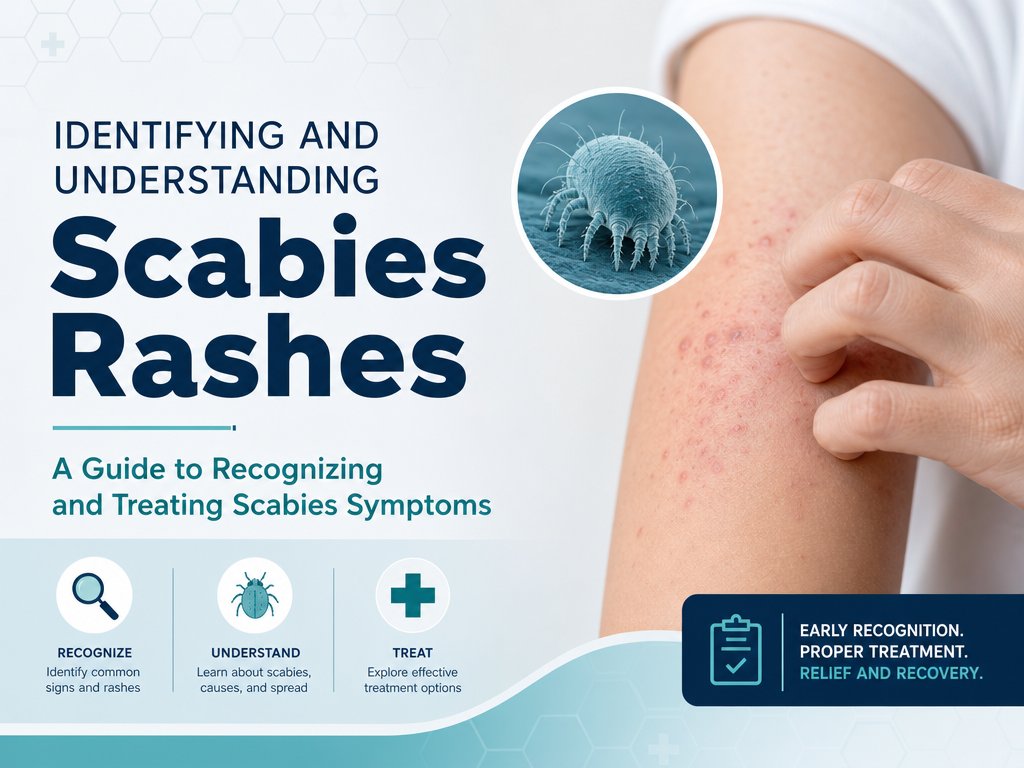
Understanding Scabies and its Impact on Skin
Scabies are notorious parasitic mites responsible for causing an intensely itchy rash on the skin of humans. These mites infiltrate the outer layer of the skin, where they feed and breed beneath the surface. This process causes significant discomfort and results in the appearance of recognizable discolored lines and small raised bumps. Transmission primarily occurs through direct skin contact or exposure to infested clothing, linens, or towels, making scabies particularly contagious in crowded environments like dormitories, nursing homes, and shelters, places where many individuals can come into sustained contact with each other.
Mite Characteristics and Diagnosis
The scabies mite, scientifically termed Sarcoptes scabiei, is invisible to the naked eye and can only be seen through microscopic examination. Despite their tiny size, the presence of these mites on the skin can lead to serious skin issues that resemble pustules or hives. Diagnosis typically involves identifying the distinctive rash commonly associated with a scabies infestation, along with detecting the presence of mite burrows. Furthermore, on some occasions, it might be necessary to conduct a skin scraping for examination under a microscope to confirm the infestation’s extent and determine the proper treatment plan.
Treatment and Management of Scabies
Treating scabies often involves the use of prescribed medicated creams or lotions containing scabicidal agents that are effective in eradicating the mites. Even after successful treatment, itching may continue, but this doesn’t necessarily signify a treatment failure. It’s crucial to stay vigilant for any new symptoms that may arise, as any remaining tracks or bumps could necessitate additional medical intervention. To stop the spread and prevent reinfestation, it’s vital that all individuals who have been exposed to scabies receive treatment at the same time to eradicate the infestation comprehensively.
Home Remedies and Ongoing Relief
In addition to prescribed treatments, several natural remedies may help ease the symptoms of scabies. These include tea tree oil and clove oil, both of which are known for their soothing and insecticidal properties. While these may provide temporary relief, they should not replace medical treatments, especially when aiming to eradicate eggs situated deep within the skin. Pregnant or nursing individuals need to consult healthcare providers to ensure the safety of these remedies and consider any potential impacts on their health and well-being.
Lifecycle and Living Conditions of Scabies Mites
Scabies mites lay their eggs beneath human skin, where the eggs undergo a rapid cycle of hatching and maturation. Interestingly, without a human host, mites can only survive for up to three days, but with human contact, their lifecycle can extend to several weeks, continuing unchecked without medical intervention. It’s important to understand that, although bed bugs and scabies mites share some physical similarities, bed bugs do not transmit scabies. Their modes of operation differ significantly, with each impacting humans in distinct ways. This makes accurate diagnosis critical for effective treatment and management.
Understanding Scabies Versus Bed Bugs
Unlike scabies mites, bed bugs are visible to the naked eye and do not inhabit the human skin; they feed directly from the skin surface. Larger in comparison, these insects belong to a different category entirely and are often confused with scabies. However, they remain distinct in both behavior and how they impact humans. Bed bugs typically leave a different type of skin reaction, which is often identifiable by clusters or lines of bites, serving as a determining factor in distinguishing between the two types of infestations and ensuring that the correct treatments are pursued.
Potential Complications and Severity
While scabies themselves are not vectors for disease transmission, the excessive scratching due to severe itchiness can lead to secondary bacterial infections, such as impetigo, which may require antibiotic treatment. In situations where individuals have compromised or weakened immune systems or infestations are ignored or left untreated for a prolonged period, a more severe form known as crusted scabies, or Norwegian scabies, can develop. This condition is characterized by thick crusts of skin that harbor large numbers of mites and eggs, which signals the need for immediate and potentially more intensive medical attention to prevent any serious complications and ensure the health and safety of the affected individual.