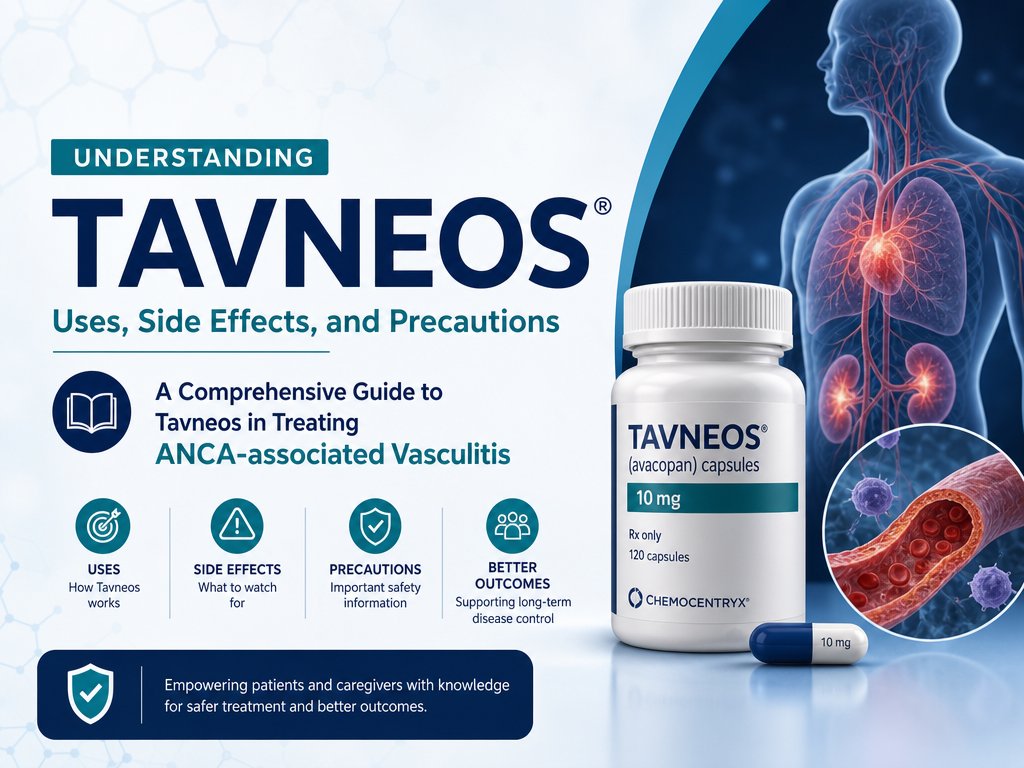
Introduction to Tavneos
Tavneos (avacopan) is a prescription medication specifically designed to treat a rare autoimmune condition that impacts blood vessels. As an oral capsule, Tavneos is integral in managing certain types of antineutrophil cytoplasmic autoantibody (ANCA)-associated vasculitis in adults, highlighting its importance in the field of autoimmune disease management.
What is Tavneos Used For?
This medication is used to treat two specific ANCA-associated vasculitides, which are uncommon autoimmune disorders. These conditions involve the immune system mistakenly attacking the blood vessels, resulting in inflammation. This inflammation can restrict blood flow and subsequently damage various organs and tissues, such as the kidneys and lungs. Tavneos is specifically prescribed when the condition is severe and active, aiming to alleviate inflammation through the inhibition of a particular protein in the immune system that’s responsible for these inappropriate attacks. By doing so, it helps prevent further damage to essential body systems, thus preserving patient health and quality of life. Physicians may consider this option particularly for patients where existing treatments might have proven inadequate or have caused intolerable side effects, thereby expanding treatment possibilities for those with limited options.
Potential Side Effects
Like most medications, Tavneos can cause side effects, which can range from mild to severe. Common mild side effects could include headaches, nausea, or upset stomach, and these are generally temporary but can be bothersome. If these mild side effects are persistent, it’s advisable to consult with a medical professional. Serious side effects, although rare, necessitate immediate medical attention. For example, severe allergic reactions characterized by symptoms such as swelling, difficulty breathing, or hives require prompt emergency care to mitigate any possible life-threatening situations.
Managing Side Effects and Allergic Reactions
In the case of minor allergic reactions, a healthcare provider can propose appropriate treatments and may assess the need for continuing Tavneos. If severe reactions are present, characterized by symptoms like swelling of the face or throat, or difficulties in breathing, these are considered medical emergencies and require urgent medical intervention. Understanding and promptly responding to these potential side effects is paramount in ensuring a safe treatment course with Tavneos. Patients are encouraged to maintain open lines of communication with their healthcare providers to effectively manage any side effects and ensure that they are addressed at the earliest signs of concern.
Interactions with Other Substances
Prior to starting Tavneos, it’s crucial to engage in a thorough discussion with your doctor or pharmacist regarding any other medications or supplements you are currently taking to prevent potential interactions. Tavneos interacts particularly with drugs affecting the CYP3A4 enzyme, and this interaction can alter the drug’s effectiveness either by increasing the risk of side effects or diminishing its efficacy. Medicines such as certain antibiotics, antifungals, or antivirals that may affect liver enzyme activity should be specifically flagged to your healthcare provider. Moreover, it’s important to note that grapefruit products should be completely avoided during treatment, as they can increase the levels of Tavneos in your body, potentially leading to heightened adverse effects or reduced therapeutic efficacy.
Alcohol Considerations
Though alcohol does not directly interact with Tavneos, concurrent alcohol consumption may amplify similar side effects, such as dizziness or nausea. Therefore, moderation and medical guidance on alcohol consumption during treatment are highly recommended to ensure that you are taking every precaution to manage your condition without unnecessary discomfort. Patients should also be aware of any additional impacts of alcohol on underlying conditions which Tavneos aims to treat and plan accordingly with healthcare advice.
Additional Precautions
The safety of Tavneos for pregnant or breastfeeding women remains unknown, so discussing potential risks with a healthcare provider is a necessary precaution if you fall into either category. Furthermore, your comprehensive medical history can heavily influence Tavneos’s suitability as a treatment. This underscores the importance of discussing all health-related aspects with your doctor, ensuring the safest possible treatment pathway for your individual health needs. Additional points to cover with your doctor might include any history of liver problems, infections, or any other conditions that may affect overall treatment efficacy or safety.
Alternative Treatments
In addition to Tavneos, there are other medications available that can also effectively manage ANCA-associated vasculitis. If you are considering alternative treatment routes or if Tavneos is not suitable for you, consult your doctor about the possibilities. They can recommend appropriate alternatives tailored to your specific condition and needs, allowing for a treatment plan that aligns with your preferences and medical requirements. Exploring options such as rituximab or methotrexate, commonly used in similar cases, could provide additional pathways to symptom management and long-term health improvement.
Final Thoughts
Before starting Tavneos, consulting a healthcare professional is critical to fully understanding the potential benefits and risks associated with this medication. This guide is meant to inform and supplement your knowledge; however, it is not a replacement for professional medical advice or a personalized treatment plan. By engaging actively with healthcare professionals, patients can make informed decisions that align with their health goals and conditions, leading to the best potential health outcomes. Furthermore, staying informed about ongoing research and any emerging therapies or clinical trials can keep patients at the forefront of potential new treatments, optimizing their overall management strategy and contributing to an adaptive care plan tailored by healthcare experts.