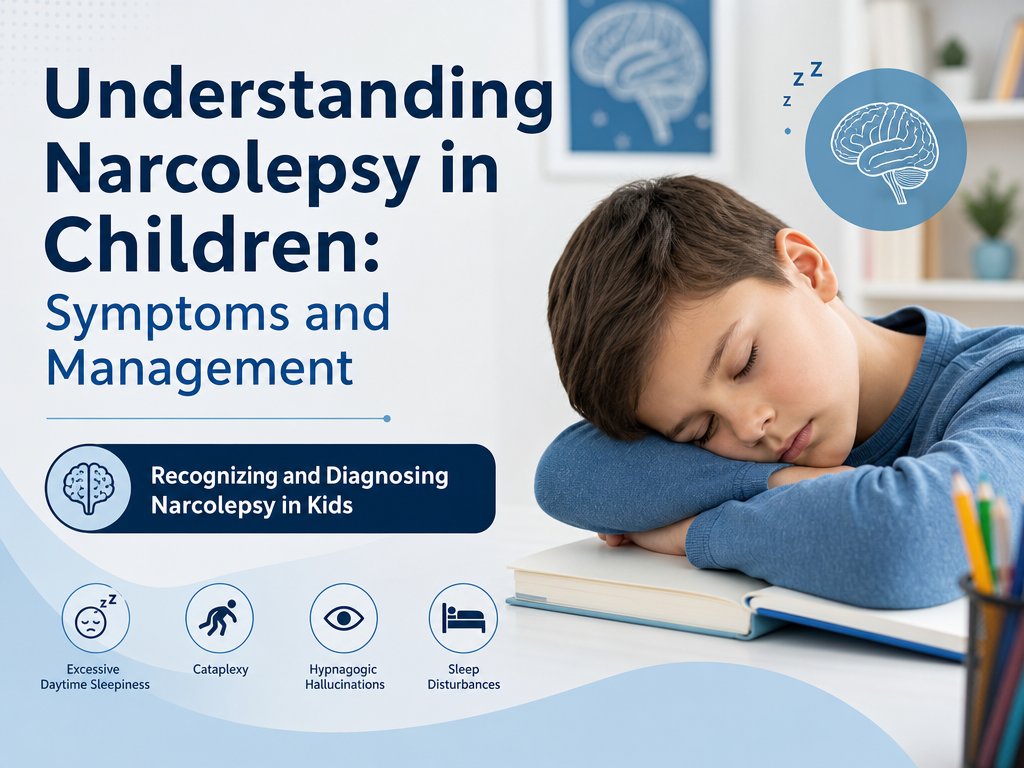
Introduction to Narcolepsy in Children
Narcolepsy is a rare, lifelong sleep disorder characterized by sudden bouts of irresistible daytime drowsiness and sleep attacks. This condition is derived from the Greek words “narcos,” indicating sleepiness, and “lepsy,” meaning seizure or attack. Narcolepsy disrupts the brain’s ability to regulate sleep-wake cycles, often leading children to experience excessive daytime sleepiness, which can significantly impact their daily functioning. This can manifest in difficulties staying awake in class or during other routine activities, leading to potential misunderstandings about the child’s attentiveness or engagement. Understanding the distinct nature of this disorder is foundational for effective management.
Types and Symptoms of Narcolepsy
Narcolepsy is generally categorized into two main forms: Type 1 and Type 2, along with a variant known as secondary narcolepsy. Type 1 includes the presence of cataplexy, which is a sudden, temporary muscle weakness typically brought on by strong emotions such as laughter, surprise, or stress. This weakening can result in slurred speech, drooping eyelids, or a complete collapse, all while maintaining consciousness. Type 2 narcolepsy, which is less associated with cataplexy, involves similar excessive daytime sleepiness but without any detectable deficiency in hypocretin levels. In the case of secondary narcolepsy, this condition can develop after certain brain injuries, particularly affecting the hypothalamus, which can also cause additional neurological problems.
Cataplexy might be mistaken for clumsiness in kids as they suddenly lose muscle control. This can co-occur with other symptoms like sleep paralysis, hallucinations, and fragmented nighttime sleep. Sleep paralysis involves a temporary inability to move or speak while falling asleep or waking up, which can be frightening for children. These hallucinations, occurring while falling asleep or waking, often involve vivid and sometimes terrifying dreams. Moreover, at night, children with narcolepsy may experience fragmented sleep marked by frequent awakenings. Unlike insomnia, their difficulty lies not in falling asleep but in maintaining a continuous sleep-wake cycle.
Prevalence and Diagnosis
Research indicates that approximately 12.6 per 100,000 adults live with type 1 narcolepsy, while type 2 affects about 25.1 per 100,000. Among children aged 6 to 17, the prevalence is around 10 per 100,000, with type 2 being more common. Diagnosing narcolepsy in children presents challenges due to overlapping symptoms with more commonly recognized conditions such as ADHD. However, chronic daytime sleepiness combined with occurrences of cataplexy can strongly suggest narcolepsy, prompting further investigative sleep studies and consultations with specialists. Polysomnography and multiple sleep latency tests are often employed to monitor and analyze a child’s sleep patterns and detect abnormalities. A detailed clinical history and assessment help differentiate narcolepsy from other sleep or neurological disorders.
Early diagnosis is crucial for managing symptoms and improving the overall quality of life. Without intervention, children may face academic challenges due to missed classes or reduced concentration, and social difficulties arising from misunderstandings about their condition. Therefore, awareness among parents, educators, and healthcare providers is key in ensuring early recognition and treatment.
Causes and Hereditary Factors
The precise origins of narcolepsy remain largely unexplained, though evidence suggests an autoimmune component, especially in type 1, where hypocretin-producing neurons are mostly lost. Hypocretin is crucial for regulating wakefulness. Some research indicates a potential genetic predisposition, with familial patterns occasionally observed; however, the majority of cases appear sporadic. Environmental factors or infections may also act as triggers in those genetically susceptible. Understanding these triggers can help identify early signs of narcolepsy and facilitate timely intervention strategies. Ongoing research continues to explore the role of other neurotransmitters and brain areas involved in the regulation of sleep and wakefulness.
In recent studies, researchers have investigated the impact of factors such as psychological stress, hormonal changes, or significant shifts in sleeping habits during adolescence. While genetic factors provide one part of the puzzle, understanding exposure to certain viruses or the presence of other autoimmune disorders is equally important. As science advances, new insights are providing a clearer picture about this condition’s multifaceted nature.
Treatment and Medication
For children with narcolepsy, a specialized treatment plan is essential to address their unique needs. Medications prescribed for adults may not always be suitable or safe for children; thus, careful management and adjustments are necessary. Common medications include stimulants to promote wakefulness and antidepressants to manage symptoms like cataplexy. It is crucial to ensure medications are securely stored to prevent misuse and to consult healthcare providers regularly about possible side effects and appropriate dosage. Additionally, some children might benefit from newer medications aimed at treating narcolepsy more effectively by targeting specific neurotransmitter pathways.
Each medication plan should be tailored to the child’s individual symptoms and response to treatment. Continual assessment and communication between parents, healthcare providers, and the child are key to maximizing effectiveness. Furthermore, integrating behavioral therapies can provide additional support, helping to manage symptoms and enhance coping strategies. This holistic approach, blending medication with lifestyle adjustments, can significantly improve the quality of life for children with narcolepsy.
Living with Narcolepsy
In addition to medication, lifestyle changes can significantly contribute to managing narcolepsy effectively. Ensuring a consistent sleep schedule, incorporating scheduled naps throughout the day, and avoiding caffeine before bedtime can help stabilize sleep patterns. Other strategies include creating a conducive sleep environment, free of disturbances, to encourage restful sleep. Daytime naps, although brief, can be well-planned to restore alertness and function.
Children with narcolepsy often face educational and social challenges, such as difficulty maintaining concentration and experiencing higher levels of anxiety. Providing accommodations at school, such as extra time for assignments and a quiet space for resting, and promoting supportive social environments are vital for their well-being and development. Encouraging children to engage in physical activities and community groups can also foster positive self-esteem and social interactions. Adaptations in teaching methods that account for sudden sleep episodes can also promote a more inclusive educational experience.
Support systems that include family, educators, and peers educated about narcolepsy can help create a more understanding environment. Recognizing anxiety or mood fluctuations that accompany narcolepsy can further inform interventions aimed at psychological support. Therefore, assisting children in setting realistic goals and coping strategies ensures they can thrive despite the challenges posed by narcolepsy.
Support and Awareness
Raising awareness about narcolepsy and understanding the experiences of others with the disorder, including public figures, can be encouraging for affected children and their families. Acknowledging the emotional and practical aspects of living with narcolepsy is imperative. Encouraging open communication and fostering a supportive environment can greatly enhance the quality of life for children managing this condition. Misunderstandings about narcolepsy, such as assuming it is simply being excessively sleepy, are common but recognizing unique symptoms like cataplexy can lead to earlier diagnosis and appropriate intervention, ultimately helping to manage the disorder more effectively.
Support groups and educational resources can provide valuable information and emotional support to families, helping them adapt to the challenges that may arise from living with narcolepsy. Furthermore, these groups can foster connections with others who share similar experiences, promoting a sense of community and belonging. Platforms that offer insight into managing symptoms, adjusting environments, and discovering new treatments empower families and patients alike. Advocating for greater public education can also dispel myths and create more inclusive spaces in schools, workplaces, and communities.