Introduction
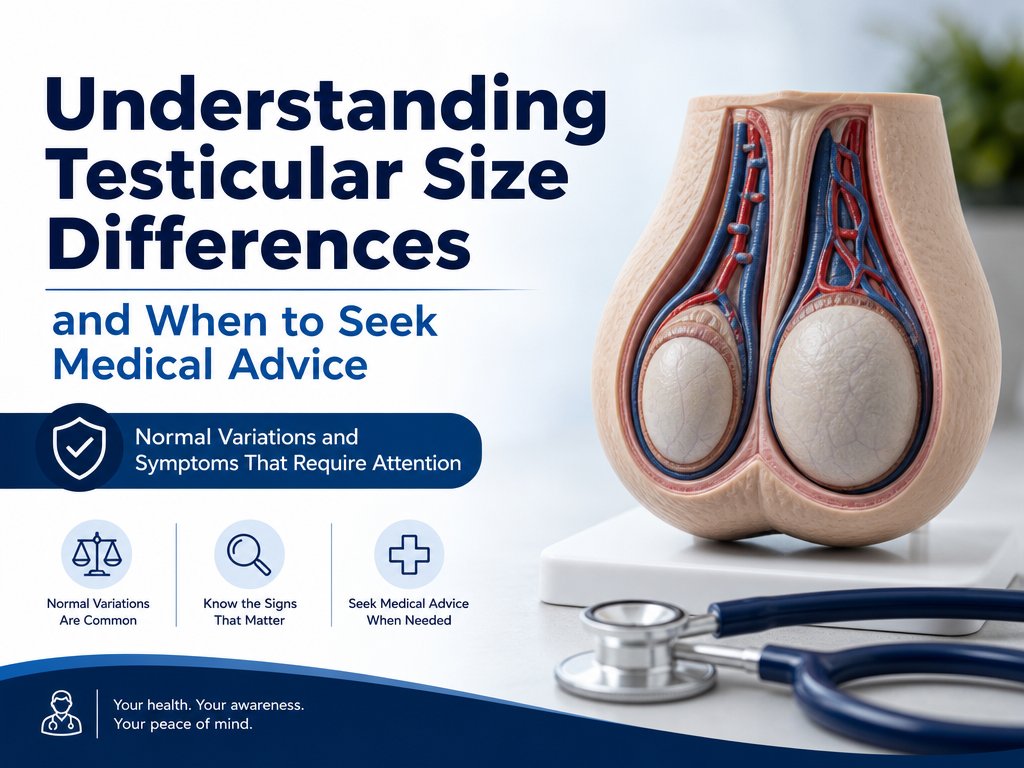
It’s quite common for one testicle to be slightly larger than the other, typically with the right one being bigger. However, it’s important to recognize symptoms that aren’t normal, like persistent pain or significant size change. Understanding the body’s signals can aid in early detection of potential problems, which is a crucial aspect of maintaining overall reproductive health and well-being. Being aware of what is normal versus abnormal allows individuals to seek timely medical advice, potentially preventing more severe issues related to reproductive health.
Identifying Healthy Testicles
While variance in size is normal, your testicles should not cause discomfort. They are more egg-shaped rather than perfectly round and should be smooth and free from lumps or bumps. Regular self-examinations are crucial for identifying changes or any anomalies. You can perform these checks regularly to ensure that you can differentiate between what is normal for you and what is not. This helps in maintaining awareness of your body’s usual state. During a self-examination, gently roll each testicle between the thumb and fingers, feeling for any signs of irregularity. It’s a simple process but one that can potentially make a huge difference in catching issues early. The consistency should be firm yet slightly soft, without any tender or sore spots. Familiarity with the typical feel and appearance of your testicles aids in recognizing any abnormalities that might develop.
When to See a Doctor
If you experience any pain, significant swelling, or discover any lumps, seek medical advice promptly. Conditions such as infections, hernias, or testicular torsion could cause such symptoms, and early diagnosis is vital to prevent complications. A doctor can provide reassurance if everything is fine or prescribe necessary treatment if an issue is detected. It’s always better to be safe and get an expert opinion rather than dismiss symptoms, which could potentially lead to bigger issues if ignored. Timely intervention can make all the difference in ensuring effective treatment and recovery. Trusting medical professionals to assess such conditions is essential rather than making assumptions without proper evaluation.
Testicular Conditions to Watch For:
- Epididymitis: Inflammation often due to infections like chlamydia and other bacteria sources. Rest and antibiotics usually resolve this condition, and preventing sexually transmitted infections can be vital in avoiding its occurrence. Recognizing the signs such as painful ejaculation or discomfort during urination can prompt faster treatment.
- Hydrocele: Fluid accumulation around the testicle, which can be painless but cause discomfort due to the increased size. Usually, it’s harmless, but medical evaluation ensures no underlying serious conditions exist. It may be noticed as an enlargement that may fluctuate in size over time.
- Orchitis: Inflammation, sometimes from the mumps virus, can cause pain and swelling in one or both testicles. Vaccination and proper hygiene play a role in reducing risks of such infections. Outbreaks of mumps highlight the importance of vaccinations in prevention.
- Varicocele: Enlarged veins within the scrotum that feel like a bag of worms and might cause aching pain, like what you might experience after physical exertion or prolonged standing. They may require medical intervention depending on severity and symptoms. Awareness of this condition helps to understand its potential impact on fertility.
- Testicular Torsion: Twisting of the spermatic cord leading to loss of blood flow, requiring immediate care to save the testicle. Quick response is critical, so any sudden, severe pain should prompt urgent care. Recognizing the acuteness of pain helps in identifying the emergency nature of torsion.
- Testicular Cancer: Look for new lumps or growths. Early detection is critical for effective treatment, and testicular cancer is one of the most treatable forms when caught early. Regular self-examinations and attention to changes are essential preventive strategies. Continued education and awareness campaigns contribute to improved survival rates.
Diagnosis and Treatment
Your doctor may perform examinations and possibly suggest tests if there’s a suspicion of serious conditions like testicular cancer. Treatments vary based on the issue, ranging from antibiotics for infections to surgical interventions for emergencies or chronic conditions. A thorough evaluation will help guide the best approach, and advancements in medical treatments continue to improve outcomes. It’s important to follow through with prescribed plans and maintain communication with healthcare providers for optimal recovery. Knowing that many testicular problems are treatable offers reassurance and encourages prompt medical attention when necessary.
Outlook
Most testicular issues, if treated on time, do not result in severe complications. However, delayed attention can lead to serious consequences, including infertility and long-term health issues. Keeping track of any changes and seeking medical advice early is crucial. Thanks to modern medicine, timely intervention can often lead to a full recovery, and ongoing medical support can provide reassurance. Educating yourself about potential symptoms and staying vigilant about bodily changes is an important part of proactive healthcare. Being mindful of your health can prevent further complications and ensure a better overall quality of life, which contributes to sustained well-being. The role of education and proactive care cannot be overstated as it leads to healthier lives.
Support and Resources
Support groups are available for those diagnosed with conditions like cancer or infertility, offering a community for sharing experiences and coping strategies. Health professionals can also provide guidance on lifestyle changes and ongoing management of testicular conditions. Furthermore, many online platforms and local healthcare facilities offer educational resources to help individuals understand their conditions better, equipping them with knowledge to better manage their health. Connecting with others who share similar experiences can provide comfort and motivation, proving beneficial in challenging times. Family and friends can also play a role in supporting someone going through treatment or diagnosis, making a significant difference in recovery and emotional resilience. Collaboration among patients, families, and healthcare providers promotes effective management and emotional support throughout the journey of recovery.