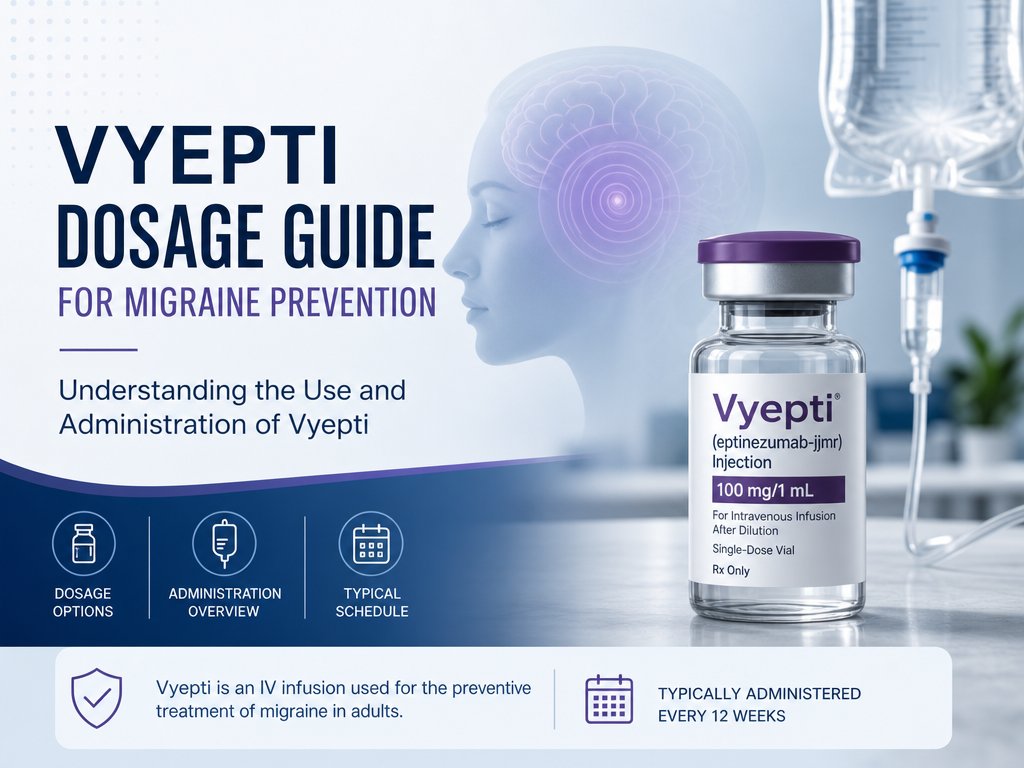
Introduction to Vyepti
Vyepti (eptinezumab-jjmr) is an innovative prescription medication designed specifically to prevent migraine episodes in adults. In the following sections, this article will take you through the necessary details about its usage, dosage, side effects, and administration. Understanding this medication can help you make informed decisions regarding your migraine treatment options, highlighting its significant role in chronic migraine management.
Active Ingredient and Classification
The active compound contained in Vyepti is eptinezumab-jjmr, which is classified distinctively as a calcitonin gene-related peptide (CGRP) antagonist. This type of biologic drug, derived from live cells, intervenes proactively in the molecular pathways that lead to migraine symptoms. By targeting CGRP, Vyepti effectively disrupts the cascade of events that contribute to the development, occurrence, and continuation of migraine attacks.
How Vyepti is Administered
Administered intravenously, Vyepti is delivered through a liquid solution sourced from a single-dose vial. A healthcare provider will perform this infusion procedure, which typically lasts around 30 minutes, in a medical setting such as a doctor’s office or hospital. This direct method ensures the medication enters the bloodstream efficiently, providing effective prevention against migraine episodes that could disrupt daily life.
Typical Dosage and Adjustments
The standard dosage for Vyepti is 100 mg infusions administered every three months. In instances where this dosage is deemed inadequate, the dose may be increased up to 300 mg. It is important for individuals receiving treatment to adhere strictly to the prescribed schedule and guidelines. By doing so, patients can experience maximum efficacy, thereby reducing the frequency and intensity of recurring migraine episodes.
Long-term Usage and Missed Doses
Vyepti is generally recommended for ongoing use, particularly for individuals who are prone to frequent migraine occurrences. If a dose is missed, it is crucial to contact your healthcare provider quickly to prevent the undesirable resurgence of migraine episodes. The regularity of dosing helps in maintaining consistent levels of the medication in the body, thereby minimizing the likelihood of breakthrough migraines which can be disruptive.
Safety and Considerations
Currently, the 300 mg dosage has been identified as the maximum tested and approved amount. If this dosage isn’t effective, other treatment options might be explored collaboratively with your healthcare provider. Always discuss any concerns about your treatment or dosage options with your doctor. Ongoing monitoring and open communication with healthcare professionals can aid in tailoring your treatment to be most effective for your specific health needs.
It is essential to report any side effects or adverse reactions you may experience while taking Vyepti. Although severe side effects are rare, keeping your healthcare provider informed and updated can ensure that any necessary modifications to your treatment plan are made promptly. Pregnant or breastfeeding individuals should also discuss any potential risks associated with using this medication with their healthcare provider to ensure safety.
Consultation with Your Healthcare Provider
The information provided here should be used to guide informative discussions with your healthcare provider, ensuring a safe and effective treatment plan for managing migraines. Open dialogue is essential for achieving optimal health outcomes, allowing for necessary adjustments based on individual response to the treatment and incorporating any lifestyle changes that may enhance its effectiveness.
In addition to medical interventions, consider incorporating lifestyle changes to complement your migraine management strategy. Reducing stress, maintaining a regular sleep schedule, and avoiding known migraine triggers can help enhance the effectiveness of Vyepti. Discuss these strategies with your doctor to create a comprehensive approach that integrates both medical and personal tactics for the best possible outcomes in managing migraine experiences, thus providing a holistic strategy to tackle this condition.