Introduction to Lice Management
Bezzy communities provide meaningful connections between individuals managing chronic conditions, including head lice infestations. Successfully eliminating both adult lice and unhatched eggs is critical to avoid exacerbating the situation. Timely intervention can stop lice eggs from maturing and hatching, thus controlling the spread. Here, we delve into understanding the head lice lifecycle, strategies to ensure lice eggs do not hatch, and effective techniques for eradicating both lice and their eggs.
The Lifecycle of Head Lice
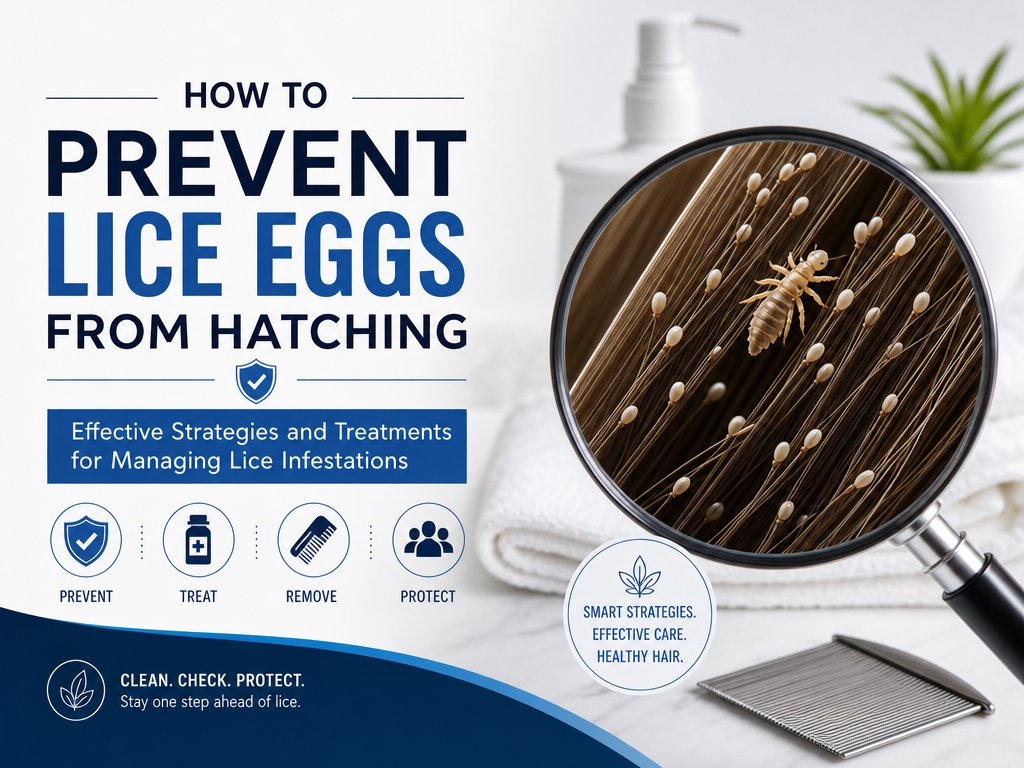
An adult louse can lay up to six eggs, commonly known as nits, each day over the course of a 30-day lifespan. The eggs typically hatch within a span of 8 to 10 days, progressing through a life stage as nymphs before reaching adulthood in about two weeks. Significantly, by targeting the yellowish eggs early on, one can prevent them from hatching and developing further.
Timely Treatment of Lice Eggs
Proper and prompt treatment is essential, as it can prevent the hatching of lice eggs that are laid between their deposition and a week later. Certain treatments are formulated to kill both lice and any hatched eggs effectively. These treatments often yield better results when combined with extensive combing practices, removing eggs and lice from the hair strands.
Strategies to Prevent Infestation Spread
Since lice may lay eggs at different times, treating everyone who comes into contact with an infested individual is crucial for stopping lice from spreading to others.
Using Pediculicides
There are specialized lice treatments, known as pediculicides, that provide an effective solution for killing lice eggs before they hatch. These treatments are available over-the-counter, though stronger options may be accessible via a prescription from a healthcare provider. Strongly ovicidal pediculicides are tailored to destroy both eggs and adult lice, ensuring a comprehensive approach to managing infestations.
Additional Treatment Options
Malathion lotion is another effective option for targeting and eliminating lice eggs. Despite its effectiveness, it is not recommended for children under the age of six and might not be as effective as the highly ovicidal pediculicides in some scenarios.
Frequently Asked Questions
A common question concerns when lice eggs hatch, which is approximately 8–10 days after being laid. Removing these eggs during this critical phase can effectively prevent hatching, thereby averting a potential new infestation cycle.
Treatment Efficacy
The application of pediculicides coupled with regular combing generally ensures that lice eggs are killed and prevented from hatching. However, without diligent treatment and thorough combing practices, it is possible for some lice eggs to survive, leading to a recurrence of the infestation.
Preventative Measures
To effectively prevent infestations, it is imperative to remove lice eggs promptly or utilize potent, ovicidal treatment options. Regularly employing these measures can keep recurrence at bay, ensuring a lice-free environment. Keep in mind that thorough combing and consistent checks are equally important in maintaining a lice-free environment.