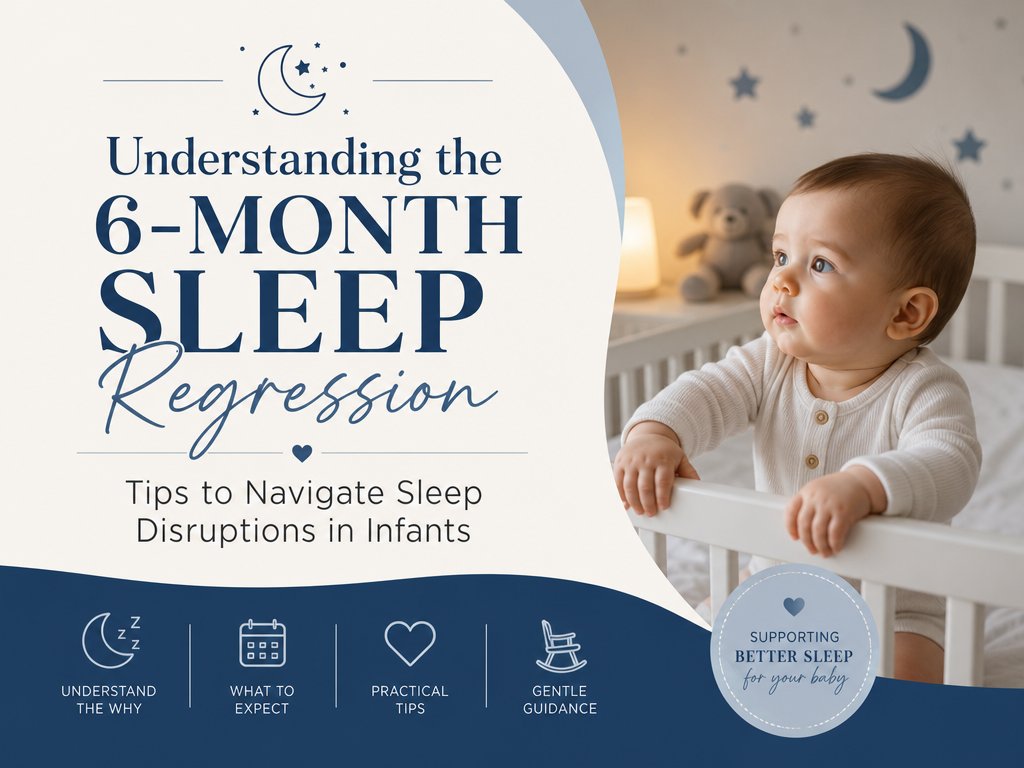
Introduction to the 6-Month Sleep Regression
Sleepless nights are common for new parents, particularly during the first year of a baby’s life. After surviving the early months and the infamous 4-month sleep regression, parents might face a new and equally challenging phase: the 6-month sleep regression. This particular period can unexpectedly disrupt any established sleep patterns, creating a sense of turmoil for both the baby and caregivers alike.
What is Sleep Regression?
Sleep regression refers to a period where a baby, who previously slept well, experiences disrupted sleep patterns. This often coincides with developmental milestones and growth spurts, making it seem as though all progress has unraveled and you are back to square one with your baby’s sleep. During this time, the frustration for both parents and child can escalate, as what was once a reliable sleep schedule seems to dissolve into chaos.
When Does It Happen?
While many babies experience sleep regression around six months, it can also occur at five or seven months, depending on individual developmental variations. Signs include difficulty falling or staying asleep through the night, which results in a crankier baby who takes frequent short naps and may be more clingy during the day. This phase can vary significantly in its manifestation, making it essential for parents to remain observant and adaptive.
Duration and Causes of Sleep Regression
Fortunately, these phases are typically short-lived, usually lasting just a few weeks, although it can feel much longer to exhausted parents. The exact causes remain inconclusive, but these regressions might be triggered by major developmental changes such as learning new skills or experiencing growth spurts, which can disrupt their sleep. The effect of these changes can influence not only mood and behavior during the night but also during daytime activities.
Practical Tips for Managing Sleep Regression
Here are several strategies to help your baby sleep better during this particularly challenging phase:
- If your baby seems upset but is otherwise fine, stay near the crib and gently comfort them without taking them out. This helps in reassuring them without creating new sleep habits that may become difficult to change later on.
- Consistency is key. Try to maintain pre-existing sleep routines and bedtime rituals. These routines can help your baby quickly return to their regular sleep schedule minimizing the overall impact of the regression.
- Understand that self-soothing skills might be harder to introduce during times of separation anxiety; patience is important as your baby learns to navigate these changes. Offering comfort and understanding during these times is crucial as they develop.
- Create a calm and conducive sleep environment. Dim lights, soft lullabies, or white noise machines can enhance a sleep-friendly atmosphere.
Sleep Needs of a 6-Month-Old
By this age, most infants require about 14 hours of sleep within a 24-hour period, including two to three naps that span three to four hours in total, depending on their individual needs. They typically need 11 to 12 hours of sleep overnight, and many can manage up to eight consecutive hours before needing to be fed or comforted. However, every baby is different, and observing their unique sleep patterns can guide you in adjusting to their needs during this regression.
Conclusion
The 6-month sleep regression is one of several you might encounter during your child’s development and growth journey. By understanding its characteristics and employing effective methods, you can help your child—and yourself—return to restful nights. In the meantime, gather your strength, perhaps a bit more caffeine, and support where you can to help navigate these temporary yet challenging phases with resilience. Remember, these periods are both normal and expected as your baby grows, and they too shall pass. Celebrate the small victories along the way, and know that each phase of parenthood, filled with both challenges and joys, contributes to the continuous, cherished growth of your child.